

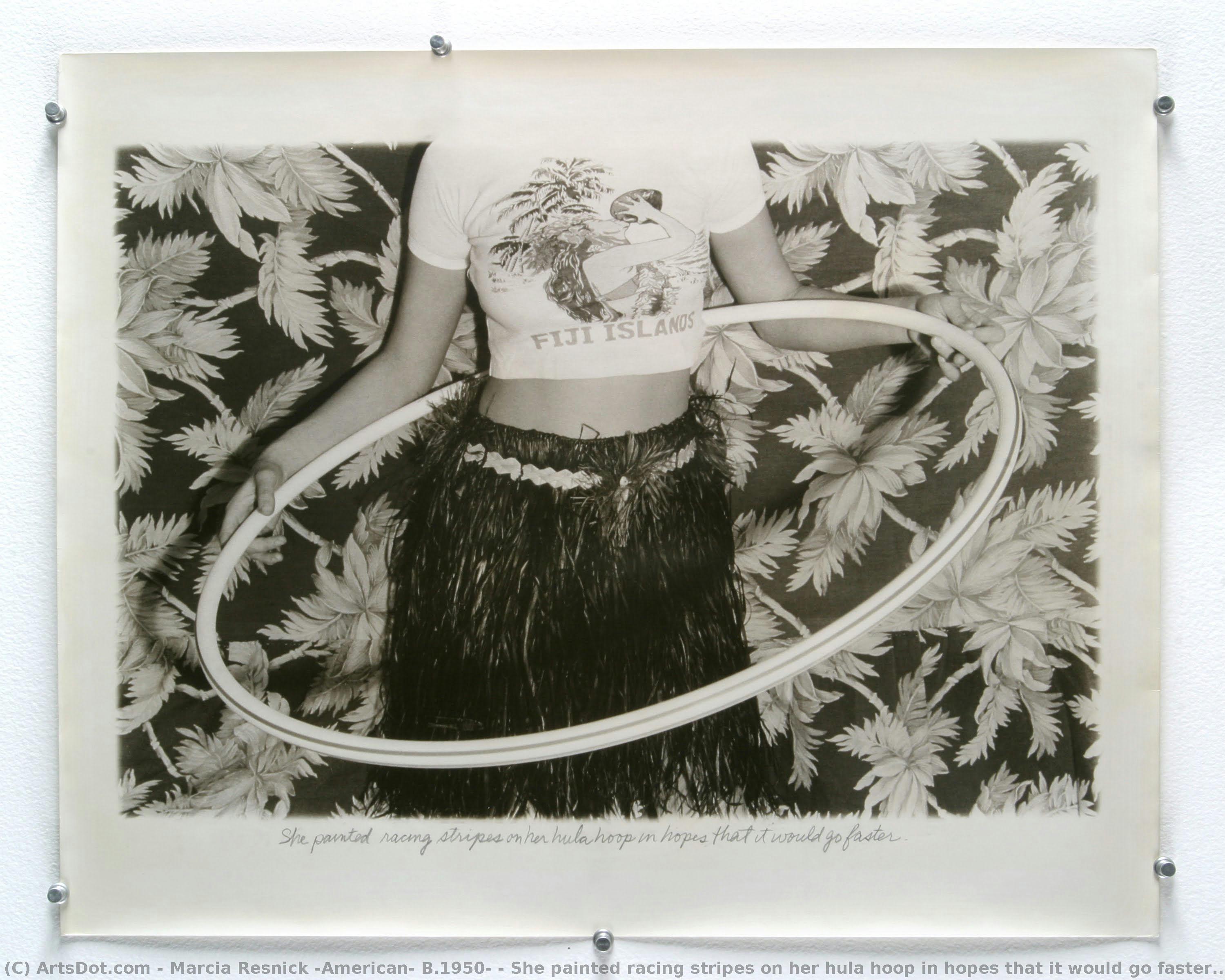
 Preview
 Send
Send Share
Share
 Details

 Download
 Similars
 X-Ray
X-Ray Diaporama
She painted racing stripes on her hula hoop in hopes that it would go faster... from Re-visions
 1978
1978 31.0 x 45.0 cm
 USC Fisher Museum of Art
 Read More
Purchase a high-resolution, enhanced digital image, far superior to the online preview.
Each file is meticulously prepared by our in-house specialists using advanced tools and expert manual retouching. We ensure every image has exceptional clarity, precise color accuracy, and fine detail.
The final file is delivered via email within 72 hours, optimized for immediate use in professional, editorial, and print environments. This is the same quality trusted by top-tier design studios, publishers, and galleries.
Digital Image
Download a high-resolution file for personal display, printing, and creative projects. ( Buy Print Buy Hand Made Painting)
Included in Every Digital Image Order
Expert Digital Delivery, Guaranteed
When you choose ArtsDot.com, you're not just getting an image - you're receiving a professionally enhanced digital artwork, crafted with precision and backed by a satisfaction guarantee. Here's everything that comes with your order, automatically:

Fast Email Delivery
Your high-resolution digital image file will be emailed to you within 72 hours of ordering - ready for immediate use.

AI-Enhanced Digital File
Your artwork is professionally optimized using advanced AI tools and manual editing, ensuring maximum detail, clarity, and color accuracy.

Free Lifetime Re-Delivery
Accidentally deleted or lost your file? No worries - we'll resend it to you anytime, free of charge.

No Import Fees - Ever
Enjoy your artwork instantly with zero customs, duties, or delivery fees - digital downloads are always tax-free.

Color Accuracy Guarantee
We ensure your digital image reflects the original colors as closely as possible using professional tools and color management.

60-Day Satisfaction Guarantee
If you're not satisfied with your digital image, we'll revise it or refund 100% within 60 days - no questions asked.

100% Money-Back Guarantee
Not satisfied? Get a full refund within 60 days of receiving your digital file - no questions asked.

Bulk Order Discounts
Buy 3 images, save 10% - Buy 5, save 15% - Buy 10+, save 20%. Great for creative projects, galleries, and agencies.
Related Artworks




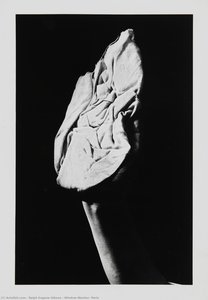
![Retrato De Lo Eterno [portrait Of The Eternal] — Manuel Álvarez Bravo](/media/artworks/images-thumb/69/1d/691d2cefecf85d79201437f1b00cac91.jpg)
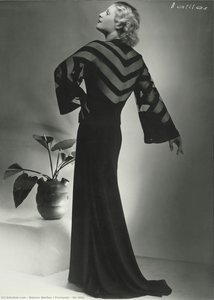
Artist Biography
The Crucible of New York: Francis Bacon and the 1950s
The decade of the 1950s witnessed a seismic shift in the landscape of Western art, largely spearheaded by a group of American painters who challenged established conventions and forged a distinctly modern aesthetic. Among these figures, Francis Bacon stands as a towering presence – a profoundly unsettling yet undeniably compelling voice grappling with themes of violence, isolation, and the dark undercurrents of human experience. His work during this period wasn’t simply about depicting reality; it was an excavation of primal emotions, rendered in a visceral and often disturbing manner that resonated deeply with the anxieties of post-war America.
Bacon's journey to artistic prominence began in 1951, following a transatlantic voyage to South Africa. This trip, fueled by a desire to reconnect with his mother and sister, proved pivotal, sparking a series of paintings that captured the raw energy and primal fear he encountered – images of wild animals moving through the vast landscapes, imbued with an unsettling sense of vulnerability and impending danger. His early years were marked by a restless search for stability, punctuated by moves between studios, often borrowed or temporary, reflecting a personal life undergoing significant upheaval. The death of his nanny, Nanny Lightfoot, in 1951 profoundly impacted him, contributing to the decade’s pattern of transient living and emotional turmoil.
Crucially, Bacon's artistic development during this time was shaped by a confluence of influences. His admiration for ancient Egyptian art – particularly its monumental scale and symbolic power – informed his approach to composition and narrative. Simultaneously, he drew heavily from Eadweard Muybridge’s groundbreaking photographs of human movement, *The Human Figure in Motion*, which provided him with an invaluable visual lexicon for depicting the dynamism and ambiguity of the body. This fascination with motion is evident in his depictions of wrestlers, whose poses were meticulously adapted to convey a sense of both physical strength and psychological vulnerability – mirroring the complexities of his own relationships.
The Human Figure: Reduction and Subversion
A defining characteristic of Bacon’s work from 1953 to 1954 was the series of seven paintings, *Man in Blue I-VII*. This ambitious project represented a deliberate attempt at reductive portraiture, distilling the subject down to its most essential elements. The model for these figures – a man who had modeled for him at the Imperial Hotel, Henley-on-Thames – became an object of intense scrutiny and manipulation. Bacon wasn’t interested in capturing a likeness; instead, he sought to expose the underlying anxieties and vulnerabilities inherent within the human form.
Alongside these studies of male figures, Bacon also began exploring the nude with renewed intensity. Paintings like *Two Figures*, 1953, and *Two Figures in the Grass*, 1954, presented pairs of male nudes derived from Muybridge’s photographs, but imbued with a distinctly unsettling quality. The poses were deliberately ambiguous, suggesting both physical attraction and underlying tension – reflecting Bacon's own turbulent romantic life, particularly his obsessive and masochistic relationship with Peter Lacy.
A Shift in Technique and Influence
By 1957, Bacon’s painting style underwent a significant transformation. This evolution is powerfully illustrated in the exhibition at the Hanover Gallery in March of that year, where he presented six paintings inspired by Van Gogh's *The Painter on the Road to Tarascon*. These works – including one painted the preceding year – showcased a coarsening of his application of paint, a heightened sense of immediacy, and an increased use of color. The influence of Van Gogh is palpable, not merely in terms of subject matter but also in the artist’s expressive brushwork and emotional intensity.
Bacon's engagement with European art continued to be a driving force throughout the 1950s. His visit to Rome in 1954, though deliberately avoiding Velázquez’s *Pope Innocent X*, underscored his deep respect for artistic tradition while simultaneously pushing against its boundaries. He actively sought out inspiration from masters like Van Gogh and Matisse, incorporating their techniques and approaches into his own evolving style. This period also saw the expansion of his international recognition, with exhibitions in New York and Paris solidifying his position as a leading figure in the avant-garde.
Legacy and Historical Context
Francis Bacon’s work during the 1950s represents a pivotal moment in the history of modern art. His unflinching exploration of human vulnerability, coupled with his innovative use of technique and composition, established him as one of the most important artists of the 20th century. Operating within the context of post-war anxieties and societal upheaval, Bacon’s paintings offered a stark and unsettling reflection of the human condition – a testament to the enduring power of art to confront difficult truths and evoke profound emotional responses.
His influence extends far beyond his own artistic output, shaping the course of abstract expressionism and inspiring generations of artists to explore the darker corners of the human psyche. Bacon’s legacy endures as a reminder that art can be both disturbing and deeply rewarding – a powerful tool for understanding ourselves and the world around us.
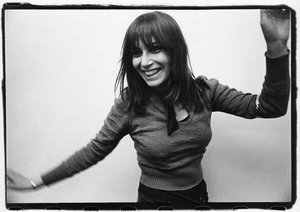
marcia resnick (american, b.1950)
1950 - , United States of America
Quick Facts
- Artistic Movement Or Style: Expressionism
- Artists Or Movements Influenced By This Artist: ['Abstract Expressionism']
- Artists Who Influenced This Artist:
- Eadweard Muybridge
- Van Gogh
- Full Name: Francis Bacon
- Nationality: British
- Notable Artworks:
- Study of a Figure in a Landscape
- Man in Blue I-VII
- Two Figures
- Two Figures in the Grass
- Place Of Birth: Dublin, Ireland

