 Preview
 Send
Send Share
Share
 Details

 Download
 Similars
 X-Ray
X-Ray Diaporama
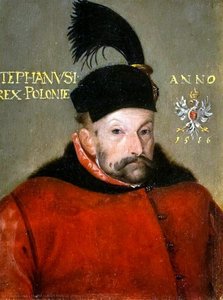
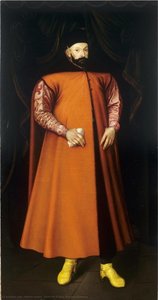
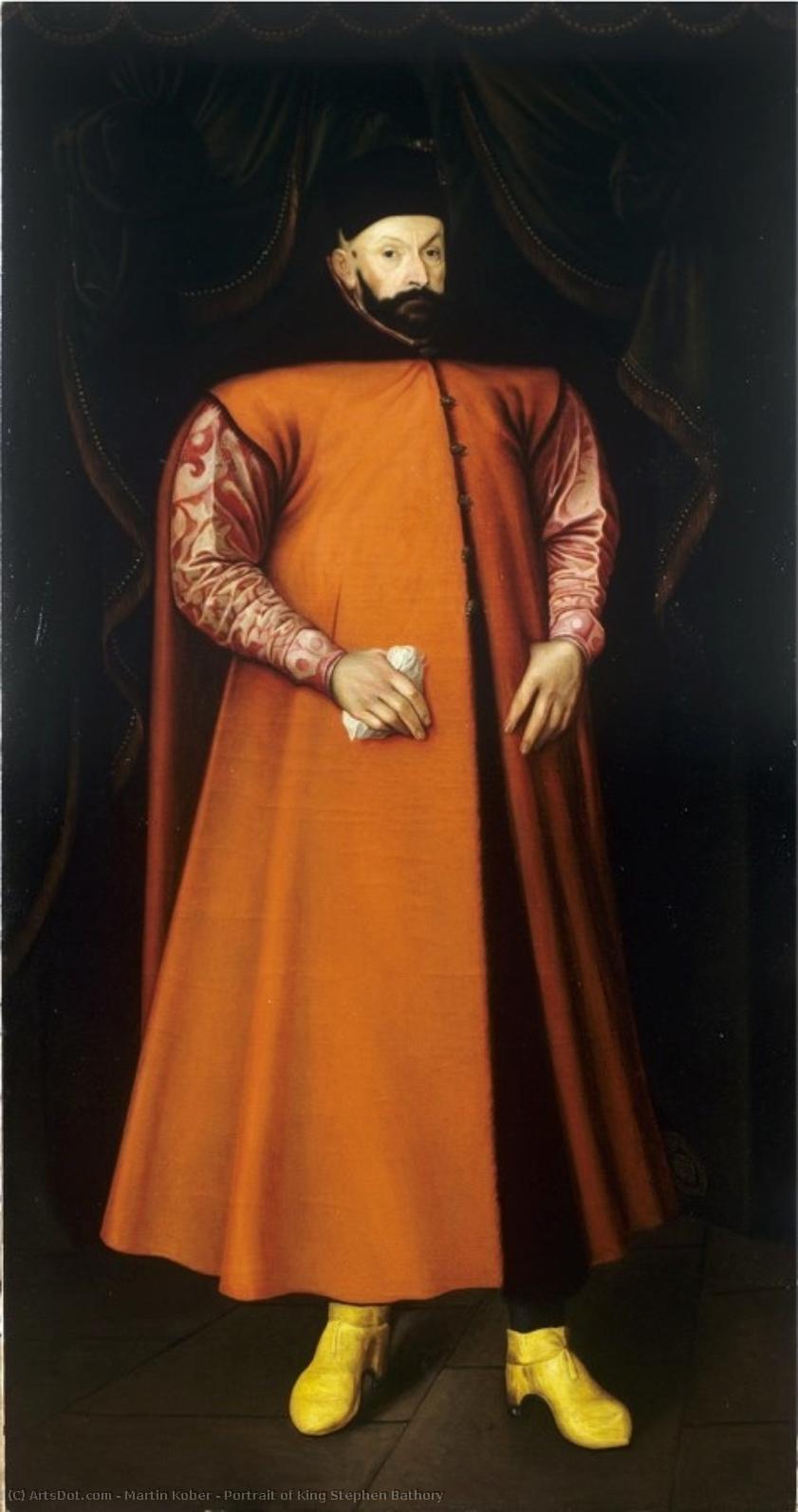
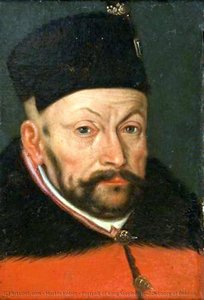
Portrait of King Stephen Bathory


 Read More
Giclée / Art Print
Museum-quality giclée or canvas print with fast production and flexible finish options. ( Buy Hand Made Painting Buy Image)




































Pick from our preset sizes that match the artwork's original proportions.

You may enter your own dimensions to fit a specific frame or space. If your selected size does not match the original image's proportions, we will either crop the artwork or extend the image with a mirrored or solid-fill edge. A digital mockup will be sent for your approval before production begins.
Please note that the on-screen preview does not reflect the actual cropping or extension. Only the mockup will accurately show the final composition.
While custom sizes are available, we recommend selecting a dimension from the predefined list to preserve the original proportions.
Worldwide Delivery () in 2 weeks instead of standard 4/5 weeks. (17 August)

Free Worldwide Express Shipping

High-Quality Linen Canvas

Full Shipping Insurance

Customs Tax Refund Guarantee

True Color Matching Guarantee

60-Day Return Policy (Defects Only)

100% Money-Back Guarantee

Bulk Discount Offer
 Glass option is only available in size under 110 CM

Portrait of King Stephen Bathory
Giclée / Art Print
Reproduction Size
-


Total Price
$ 63
Related Artworks


Artist Biography
Marcin Kober: The Pioneer of Polish Royal Portraiture
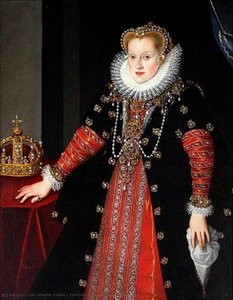
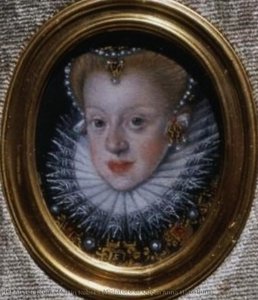
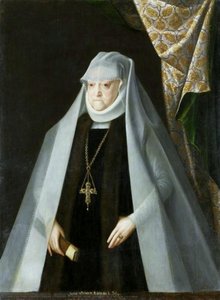
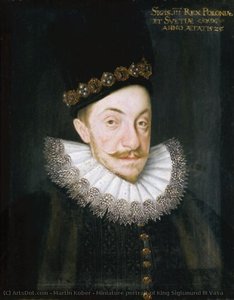
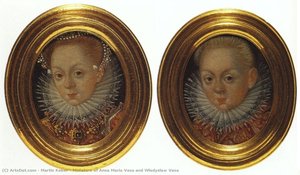
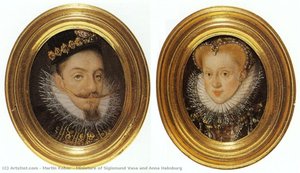
Marcin Kober (also chober, cober, coeber, khober, koeber, koebner), born around 1550 in Wroclaw, Poland, stands as a pivotal figure in the history of Polish art and royal iconography. He wasn’t merely a painter; he was arguably the first artist actively engaged in documenting the reigns of central European monarchs – Stephen Báthory, Rudolf II, Holy Roman Emperor, Queen Anne Jagiellon, and King Sigismund III Vasa – primarily within the Commonwealth of Poland-Lithuania. This distinction elevates him to the status of a precursor to the Polish portrait genre, marking him as an innovator who fundamentally shaped artistic representation during his era. Kober’s artistic journey began in Prague, where he encountered the vibrant artistic community fostered by Spanish influences. This exposure profoundly impacted his style, favoring a meticulous realism blended with decorative elements reminiscent of Habsburg court art. His portraits of Báthory and Rudolf II exemplify this approach, capturing regal dignity alongside subtle symbolic gestures that reflected prevailing humanist ideals. Notably, Kober’s depiction of Stephen Báthory significantly influenced the subsequent royal iconography for over a century, establishing a visual language that would endure through generations. The artist's early works at Báthory’s court established a distinct aesthetic – the “Báthory School” – which subsequently impacted the development of Polish sarmatian portraiture. Kober’s meticulous attention to detail and his masterful use of color created images imbued with both psychological depth and formal elegance. His portraits weren't simply representations; they were carefully crafted statements about power, status, and identity. A significant contribution to Kober’s legacy lies in his role as the official painter for Queen Anne Jagiellon and King Sigismund III Vasa. These commissions solidified his reputation as a court artist of considerable stature and ensured that his artistic vision would continue to shape royal portraits throughout Poland's golden age. The resulting paintings, particularly those featuring Anna Jagiellon’s widow portrait, are considered invaluable documents of the period, offering insights into aristocratic life and artistic conventions. Kober’s oeuvre spans across multiple museums across Europe, including Dolný Kubín (where his portrait of Daniel Kubínyiho hangs), Florence (Uffizi Gallery), Madrid (Convent of Las Descalzas Reales), Vienna (Kunsthistorisches Museum), and Warsaw (National Museum). Versions of Sigismund III Vasa’s portrait exist in both the National Museum and Wilanów Palace, demonstrating Kober's workshop's organizational prowess. The “Wawel Castle Version” stands out as particularly noteworthy – a flat depiction characterized by striking realism and decorative flourishes—a testament to his artistic technique and enduring influence on Polish art history.- Notable Museums Exhibiting His Work: Dolný Kubín Gallery, Uffizi Gallery, Convent of Las Descalzas Reales, Kunsthistorisches Museum, National Museum
- Key Commissions: Portraits of Stephen Báthory, Rudolf II, Queen Anne Jagiellon, Sigismund III Vasa
- Influences: Habsburg Court Art, Spanish Portraiture Tradition
marcin kober
Poland
Quick Facts
- Artistic Movement Or Style: Renaissance
- Artists Or Movements Influenced By This Artist: ['Polish Sarmatian Portrait']
- Artists Who Influenced This Artist: ['Spanish Portraiture']
- Date Of Birth: ca. 1550
- Date Of Death: before 1598
- Full Name: Marcin Kober
- Nationality: Polish
- Notable Artworks:
- Portrait of Stephen Báthory
- Portrait of Queen Anne of Austria
- Portrait of King Stephen Bathory
- Place Of Birth: Wrocław, Poland