 Preview
 Send
Send Share
Share
 Details

 Download
 Similars
 X-Ray
X-Ray Diaporama
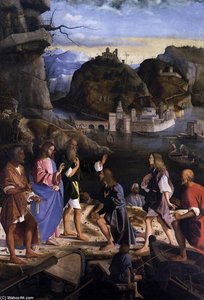
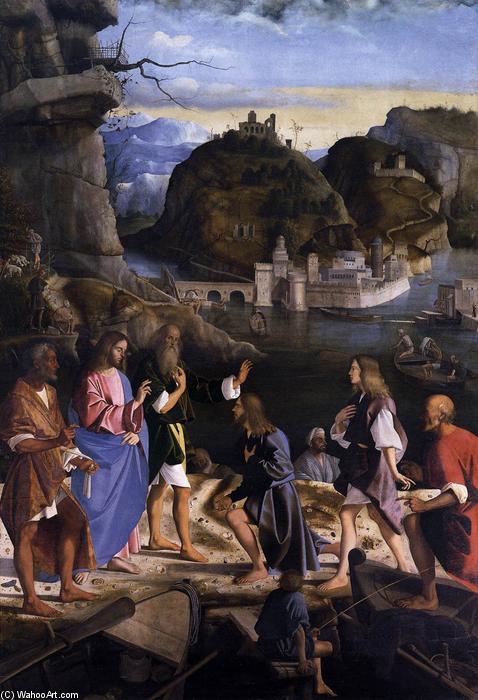
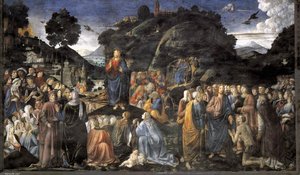
Call of the Sons of Zebedee
 1510
1510 386.0 x 268.0 cm
 Gallerie dell'Accademia
 Read More
Hand Made Oil Reproduction
Hand-painted oil on canvas in your size and frame, made to order by our artists. ( Buy Print Buy Image)




































Pick from our preset sizes that match the artwork's original proportions.

You may enter your own dimensions to fit a specific frame or space. If your selected size does not match the original image's proportions, we will either crop the artwork or extend the painting with additional hand-painted elements. A digital mockup will be sent for your approval before production begins.
Please note that the on-screen preview does not reflect the actual cropping or extension. Only the mockup will accurately show the final composition.
While custom sizes are available, we recommend selecting a dimension from the predefined list to preserve the original proportions.
After order, ArtsDot.com team will email client for instructions and provide a mockup preview
Worldwide Delivery () in 3/4 weeks instead of standard 5 weeks. (16 August). No compromise on quality.

Free Worldwide Express Shipping

High-Quality Linen Canvas

Full Shipping Insurance

Customs Tax Refund Guarantee

True Color Matching Guarantee

60-Day Return Policy (Defects Only)

100% Money-Back Guarantee

Bulk Discount Offer
 Glass option is only available in size under 110 CM

Call of the Sons of Zebedee
Reproduction Medium
Reproduction Size
-


Total Price
$ 263
Related Artworks
Artist Biography
Marco Basaiti: Bridging Quattrocento and Cinquecento Venetian Painting
Marco Basaiti (c. 1470 – 1530) stands as a pivotal figure in Renaissance Venice, representing a crucial transitional period between the stylistic conventions of the Quattrocento and the burgeoning grandeur of the Cinquecento. While biographical details remain scarce—a testament to the challenges faced by documenting artists during that era—scholarly research gleaned from surviving signatures and guild records paints a portrait of an artist deeply embedded in the artistic landscape of his time. Vasari’s account, though debated regarding Basaiti's identity (believing he was actually two individuals), solidified him as a prominent Venetian painter alongside luminaries like Giovanni Bellini and Cima da Conegliano.- Early Life & Training: Born around 1470 in either Venice or Friuli, Basaiti’s familial origins are shrouded in mystery—likely Albanian or Greek—reflecting the prevalent tendency for foreign communities to maintain relative seclusion within Venetian society and consequently limiting their presence on official records. The will dated 1526 offers tantalizing hints about his family connections but remains subject to scholarly scrutiny regarding its veracity.
- Influence of Bartolomeo Vivarini: Evidence suggests Basaiti’s formative artistic education occurred under the tutelage of Bartolomeo Vivarini, whose stylistic innovations profoundly impacted Basaiti's early works. Vivarini’s death in the late 1490s marked a significant turning point, prompting Basaiti to collaborate with Vivarini’s nephew, Alvise Vivarini—a connection substantiated by commissions undertaken following Alvise’s demise.
Artistic Style & Technique: Quattrocento Roots Embracing Cinquecento Innovation
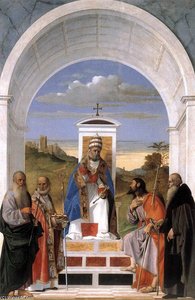
Despite inheriting the stylistic sensibilities of the Quattrocento, Basaiti skillfully adapted his approach to resonate with the evolving aesthetic currents of the Cinquecento. His canvases demonstrate a masterful blend of classical ideals and humanist observation—particularly evident in his portraits which prioritize anatomical accuracy and psychological nuance. The use of sfumato—a technique pioneered by Bellini—characterized many of his paintings, creating subtle gradations of tone that imbue figures with an ethereal quality. Furthermore, Basaiti’s compositions often incorporated complex spatial arrangements and dramatic lighting effects, signaling a move away from the more planar perspectives favored in earlier Venetian art.- Notable Commissions & Collaborations: Basaiti gained considerable renown through commissions undertaken by influential patrons—most notably Alvise Vivarini who entrusted him with completing St Peter Enthroned and Four Saints, an unfinished altar piece that showcased Basaiti’s ability to execute ambitious projects under pressure.
Subject Matter & Iconography: Religious Portraits Reflecting Venetian Spirituality
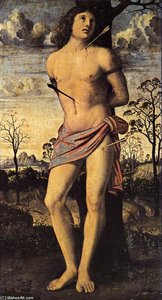
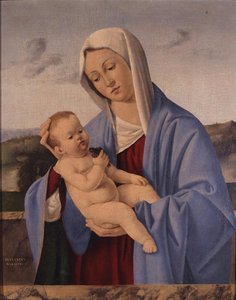
Basaiti's oeuvre predominantly comprises portraits—often depicting noblemen and ecclesiastical dignitaries—and religious scenes. Unlike many of his contemporaries who explored mythological themes, Basaiti’s artistic focus remained firmly rooted in Christian iconography. His paintings frequently depict saints and biblical figures with meticulous detail and expressive gestures, conveying profound spiritual contemplation.- Legacy & Historical Significance: Marco Basaiti's contribution to Venetian Renaissance painting lies not merely in his individual artworks but also in his role as a conduit between stylistic traditions. He embodies the dynamism of artistic evolution—a testament to Venice’s enduring position at the forefront of European cultural innovation during the sixteenth century.
Further Research & Resources
For deeper exploration into Marco Basaiti's life and work, consult the Getty Research Institute’s ULAN Full Record Display (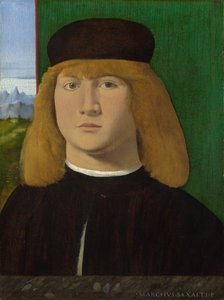
Marco Basaiti
1470 - 1530 , Italy
Quick Facts
- Artistic Movement Or Style: Renaissance painting
- Artists Or Movements Influenced By This Artist: ['Giovanni Bellini']
- Artists Who Influenced This Artist: ['Bartolomeo Vivarini']
- Date Of Birth: c. 1470
- Date Of Death: 1530
- Full Name: Marco Basaiti
- Nationality: Italian
- Notable Artworks:
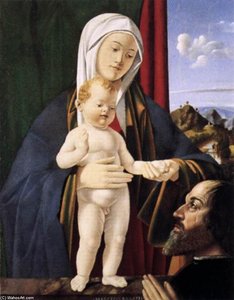
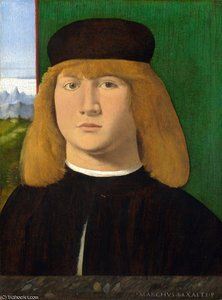
- Portrait of a Young Man
- Portrait of a Man in a Cap
- St Peter Enthroned and Four Saints
- Place Of Birth: Venice, Italy