

 Preview
 Send
Send Share
Share
 Details

 Download
 Similars
 X-Ray
X-Ray Diaporama
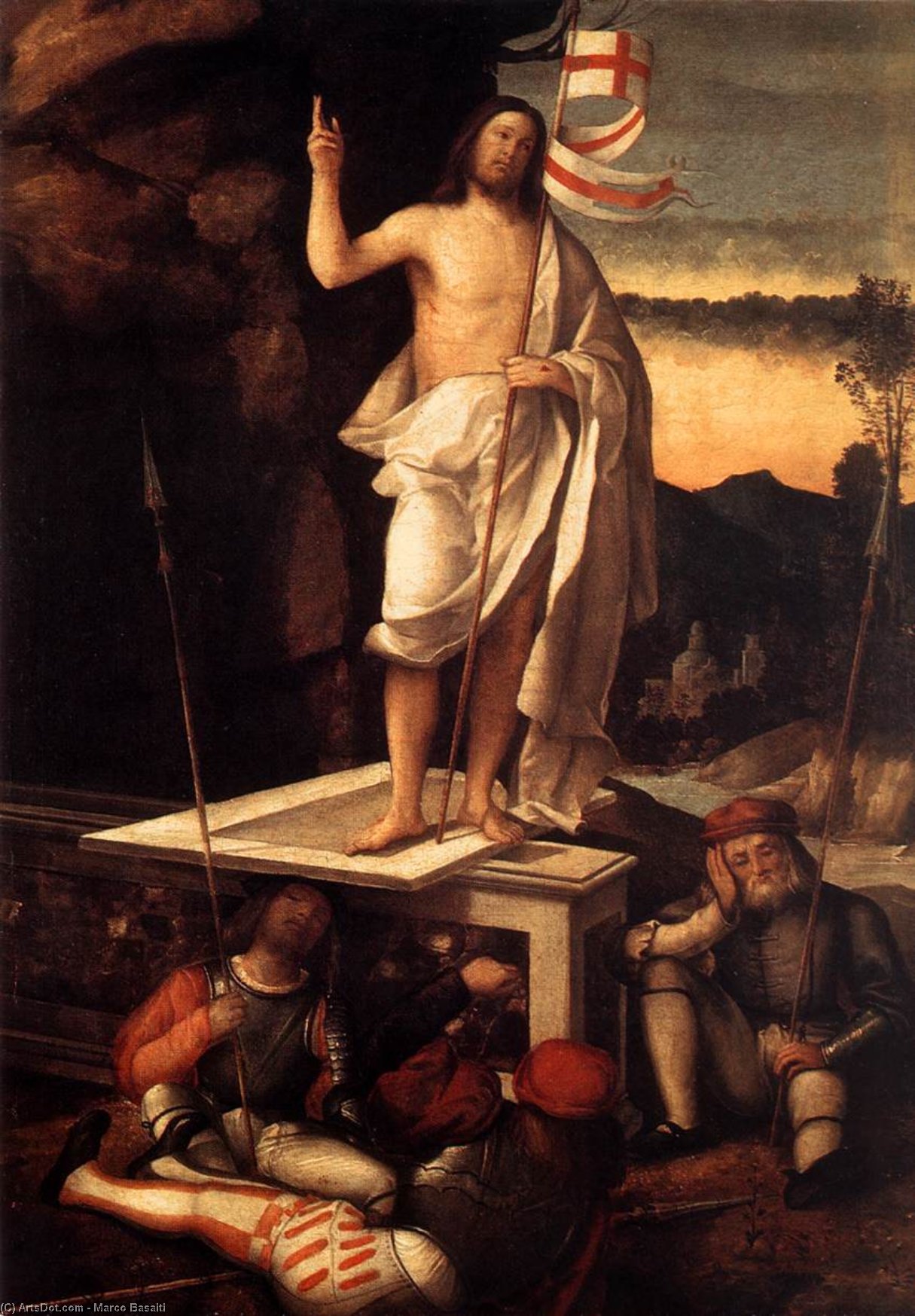
Resurrection of Christ
 Oil On Canvas
- WallArt
- Renaissance
 1520
1520- Renaissance
 140.0 x 100.0 cm
 Accademia Carrara
 Read More
Purchase a high-resolution, enhanced digital image, far superior to the online preview.
Each file is meticulously prepared by our in-house specialists using advanced tools and expert manual retouching. We ensure every image has exceptional clarity, precise color accuracy, and fine detail.
The final file is delivered via email within 72 hours, optimized for immediate use in professional, editorial, and print environments. This is the same quality trusted by top-tier design studios, publishers, and galleries.
Digital Image
Download a high-resolution file for personal display, printing, and creative projects. ( Buy Print Buy Hand Made Painting)
Included in Every Digital Image Order
Expert Digital Delivery, Guaranteed
When you choose ArtsDot.com, you're not just getting an image - you're receiving a professionally enhanced digital artwork, crafted with precision and backed by a satisfaction guarantee. Here's everything that comes with your order, automatically:

Fast Email Delivery
Your high-resolution digital image file will be emailed to you within 72 hours of ordering - ready for immediate use.

AI-Enhanced Digital File
Your artwork is professionally optimized using advanced AI tools and manual editing, ensuring maximum detail, clarity, and color accuracy.

Free Lifetime Re-Delivery
Accidentally deleted or lost your file? No worries - we'll resend it to you anytime, free of charge.

No Import Fees - Ever
Enjoy your artwork instantly with zero customs, duties, or delivery fees - digital downloads are always tax-free.

Color Accuracy Guarantee
We ensure your digital image reflects the original colors as closely as possible using professional tools and color management.

60-Day Satisfaction Guarantee
If you're not satisfied with your digital image, we'll revise it or refund 100% within 60 days - no questions asked.

100% Money-Back Guarantee
Not satisfied? Get a full refund within 60 days of receiving your digital file - no questions asked.

Bulk Order Discounts
Buy 3 images, save 10% - Buy 5, save 15% - Buy 10+, save 20%. Great for creative projects, galleries, and agencies.
Collectible Description
A Divine Moment Captured: The Resurrection of Christ
To stand before this depiction of the Resurrection of Christ is to be enveloped in an atmosphere thick with divine revelation and profound human drama. Marco Basaiti’s masterful rendering transports the viewer directly into a pivotal moment of Christian theology—a scene charged with miraculous energy. At the heart of the composition, Jesus stands upon what appears to be a table or altar, his arms raised in a gesture that is simultaneously one of triumph and eloquent address. It is not merely a depiction of an event, but a powerful sermon delivered from the very threshold of eternal life.
Basaiti's Venetian Hand: Style and Technique
Painted around 1520, this work sits at a fascinating crossroads in art history, embodying the transition between the refined elegance of the Quattrocento and the burgeoning emotional sweep of the Cinquecento. Marco Basaiti, working within the vibrant crucible of Renaissance Venice, imbues the scene with characteristic Venetian luminosity. While his style shows the foundational structure learned from earlier masters, there is a palpable sense of movement and narrative urgency that speaks to the High Renaissance spirit. The handling of the figures suggests an academic understanding of anatomy combined with a devotional fervor typical of Italian religious painting. Observe the careful placement of details—the richly draped garments, the solemn expressions on the faces of the surrounding disciples, and the inclusion of symbolic objects like the two swords and the open book.
Symbolism Woven into Sacred Form
Every element within this canvas seems imbued with meaning. The central figure’s raised arms are a universal signifier of exaltation and proclamation. The presence of the two swords, positioned on either side, often carries complex symbolic weight in religious art, sometimes alluding to earthly conflict versus spiritual truth. Furthermore, the book resting near the bottom right corner serves as a tangible anchor to scripture, grounding the divine spectacle in documented revelation. These objects do not merely decorate; they participate in the narrative, inviting contemplation from the viewer about the nature of sacrifice and rebirth.
Creating an Atmosphere for Modern Spaces
For the discerning collector or designer seeking to infuse a space with history, depth, and spiritual resonance, this reproduction offers unparalleled gravitas. The scale of 140 x 100 cm allows the narrative drama to unfold without feeling cramped, making it a commanding focal point in a grand hall, library, or chapel-inspired interior. Owning a piece echoing Basaiti’s skill means acquiring not just paint on canvas, but a tangible connection to the intellectual and spiritual currents of Renaissance Venice—a timeless dialogue between earthly beauty and divine promise.
Related Artworks

Artist Biography
Marco Basaiti: Bridging Quattrocento and Cinquecento Venetian Painting
Marco Basaiti (c. 1470 – 1530) stands as a pivotal figure in Renaissance Venice, representing a crucial transitional period between the stylistic conventions of the Quattrocento and the burgeoning grandeur of the Cinquecento. While biographical details remain scarce—a testament to the challenges faced by documenting artists during that era—scholarly research gleaned from surviving signatures and guild records paints a portrait of an artist deeply embedded in the artistic landscape of his time. Vasari’s account, though debated regarding Basaiti's identity (believing he was actually two individuals), solidified him as a prominent Venetian painter alongside luminaries like Giovanni Bellini and Cima da Conegliano.- Early Life & Training: Born around 1470 in either Venice or Friuli, Basaiti’s familial origins are shrouded in mystery—likely Albanian or Greek—reflecting the prevalent tendency for foreign communities to maintain relative seclusion within Venetian society and consequently limiting their presence on official records. The will dated 1526 offers tantalizing hints about his family connections but remains subject to scholarly scrutiny regarding its veracity.
- Influence of Bartolomeo Vivarini: Evidence suggests Basaiti’s formative artistic education occurred under the tutelage of Bartolomeo Vivarini, whose stylistic innovations profoundly impacted Basaiti's early works. Vivarini’s death in the late 1490s marked a significant turning point, prompting Basaiti to collaborate with Vivarini’s nephew, Alvise Vivarini—a connection substantiated by commissions undertaken following Alvise’s demise.
Artistic Style & Technique: Quattrocento Roots Embracing Cinquecento Innovation
Despite inheriting the stylistic sensibilities of the Quattrocento, Basaiti skillfully adapted his approach to resonate with the evolving aesthetic currents of the Cinquecento. His canvases demonstrate a masterful blend of classical ideals and humanist observation—particularly evident in his portraits which prioritize anatomical accuracy and psychological nuance. The use of sfumato—a technique pioneered by Bellini—characterized many of his paintings, creating subtle gradations of tone that imbue figures with an ethereal quality. Furthermore, Basaiti’s compositions often incorporated complex spatial arrangements and dramatic lighting effects, signaling a move away from the more planar perspectives favored in earlier Venetian art.- Notable Commissions & Collaborations: Basaiti gained considerable renown through commissions undertaken by influential patrons—most notably Alvise Vivarini who entrusted him with completing St Peter Enthroned and Four Saints, an unfinished altar piece that showcased Basaiti’s ability to execute ambitious projects under pressure.
Subject Matter & Iconography: Religious Portraits Reflecting Venetian Spirituality
Basaiti's oeuvre predominantly comprises portraits—often depicting noblemen and ecclesiastical dignitaries—and religious scenes. Unlike many of his contemporaries who explored mythological themes, Basaiti’s artistic focus remained firmly rooted in Christian iconography. His paintings frequently depict saints and biblical figures with meticulous detail and expressive gestures, conveying profound spiritual contemplation.- Legacy & Historical Significance: Marco Basaiti's contribution to Venetian Renaissance painting lies not merely in his individual artworks but also in his role as a conduit between stylistic traditions. He embodies the dynamism of artistic evolution—a testament to Venice’s enduring position at the forefront of European cultural innovation during the sixteenth century.
Further Research & Resources
For deeper exploration into Marco Basaiti's life and work, consult the Getty Research Institute’s ULAN Full Record Display (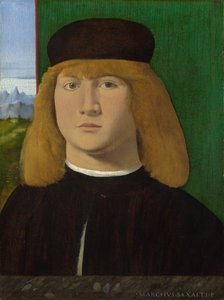
Marco Basaiti
1470 - 1530 , Italy
Quick Facts
- Artistic Movement Or Style: Renaissance painting
- Artists Or Movements Influenced By This Artist: ['Giovanni Bellini']
- Artists Who Influenced This Artist: ['Bartolomeo Vivarini']
- Date Of Birth: c. 1470
- Date Of Death: 1530
- Full Name: Marco Basaiti
- Nationality: Italian
- Notable Artworks:
- Portrait of a Young Man
- Portrait of a Man in a Cap
- St Peter Enthroned and Four Saints
- Place Of Birth: Venice, Italy

