

 Preview
 Send
Send Share
Share
 Details

 Download
 Similars
 X-Ray
X-Ray Diaporama
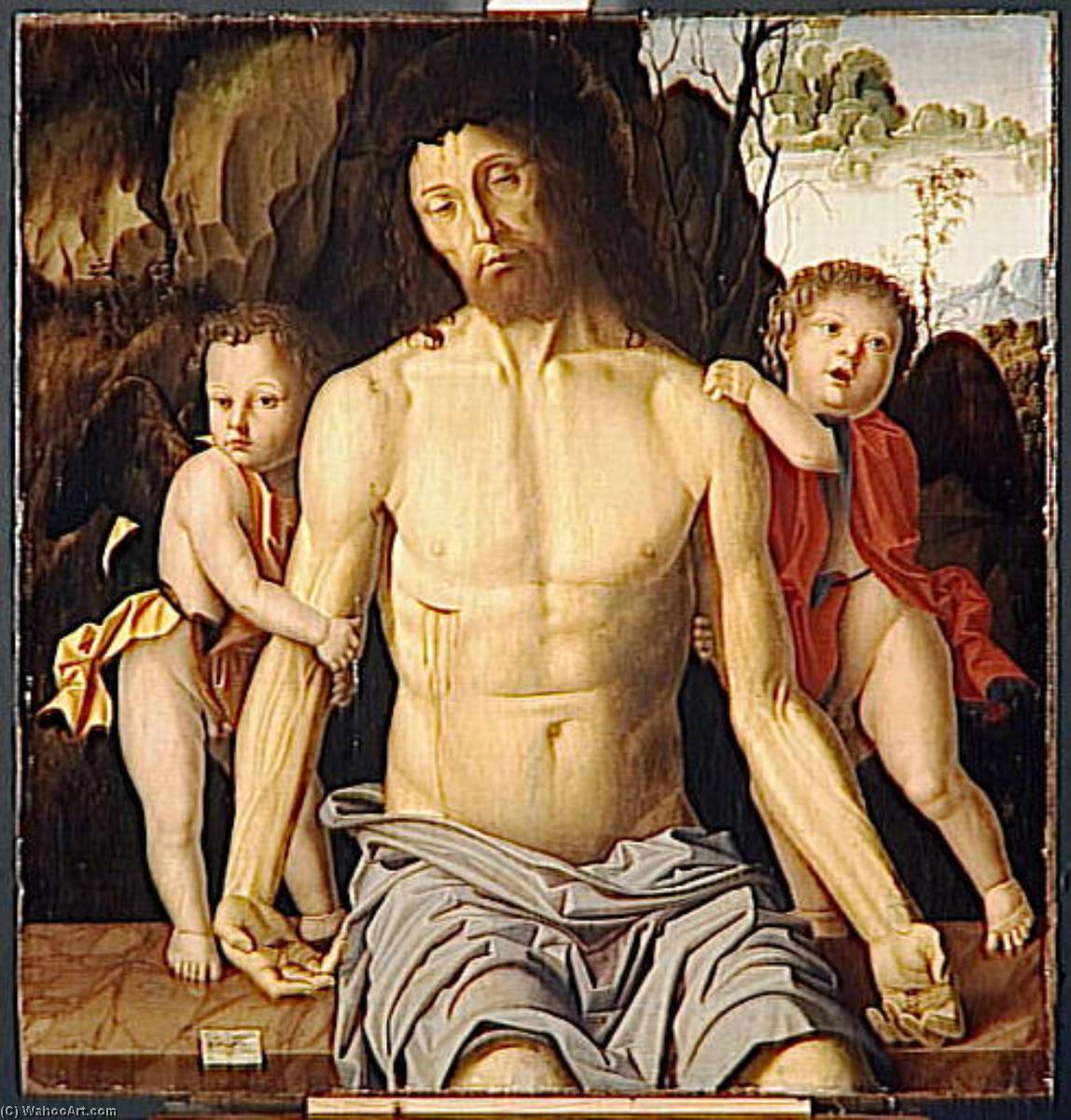
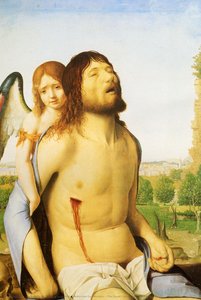
LE CHRIST MORT SOUTENU PAR DEUX ANGES


 Read More
Purchase a high-resolution, enhanced digital image, far superior to the online preview.
Each file is meticulously prepared by our in-house specialists using advanced tools and expert manual retouching. We ensure every image has exceptional clarity, precise color accuracy, and fine detail.
The final file is delivered via email within 72 hours, optimized for immediate use in professional, editorial, and print environments. This is the same quality trusted by top-tier design studios, publishers, and galleries.
Digital Image
Download a high-resolution file for personal display, printing, and creative projects. ( Buy Print Buy Hand Made Painting)
Included in Every Digital Image Order
Expert Digital Delivery, Guaranteed
When you choose ArtsDot.com, you're not just getting an image - you're receiving a professionally enhanced digital artwork, crafted with precision and backed by a satisfaction guarantee. Here's everything that comes with your order, automatically:

Fast Email Delivery
Your high-resolution digital image file will be emailed to you within 72 hours of ordering - ready for immediate use.

AI-Enhanced Digital File
Your artwork is professionally optimized using advanced AI tools and manual editing, ensuring maximum detail, clarity, and color accuracy.

Free Lifetime Re-Delivery
Accidentally deleted or lost your file? No worries - we'll resend it to you anytime, free of charge.

No Import Fees - Ever
Enjoy your artwork instantly with zero customs, duties, or delivery fees - digital downloads are always tax-free.

Color Accuracy Guarantee
We ensure your digital image reflects the original colors as closely as possible using professional tools and color management.

60-Day Satisfaction Guarantee
If you're not satisfied with your digital image, we'll revise it or refund 100% within 60 days - no questions asked.

100% Money-Back Guarantee
Not satisfied? Get a full refund within 60 days of receiving your digital file - no questions asked.

Bulk Order Discounts
Buy 3 images, save 10% - Buy 5, save 15% - Buy 10+, save 20%. Great for creative projects, galleries, and agencies.
Collectible Description
The Lamentation Over the Dead Christ – A Renaissance Echo of Sorrow
Marco Palmezzano’s “Le Christ mort soutenu par deux anges,” housed within the hallowed halls of the Musée du Louvre, is not merely a depiction of death; it's a profound meditation on grief, faith, and divine consolation. Completed in 1510 during a pivotal moment in the artist’s career, this oil-on-wood painting transcends its subject matter to become a timeless emblem of human sorrow and the promise of solace. The scene unfolds within a dramatically shadowed space, reminiscent of a rugged, almost desolate landscape – a deliberate choice that amplifies the weight of Christ's demise and the angels’ offering of comfort. Palmezzano masterfully employs contrast; the stark darkness of the background serves to heighten the luminosity of Christ’s body, emphasizing his vulnerability and the poignant beauty of his repose.
A Masterclass in Renaissance Realism and Venetian Influence
Palmezzano's artistic lineage is immediately apparent. The painting draws heavily from the traditions of early Netherlandish art, particularly the work of Giovanni Bellini, whom he admired during his time in Venice. This influence manifests in the meticulous anatomical detail – a remarkable achievement for the period – and the subtle use of color. The flesh tones are rendered with an almost ethereal quality, achieved through careful layering of glazes that create a sense of depth and luminosity rarely seen in contemporary works. The drapery, too, is executed with exquisite attention to texture and movement, flowing realistically around Christ’s form while simultaneously conveying the weight of his suffering.
Symbolism Woven into the Canvas: Angels, Grief, and Divine Intervention
The composition itself is rich in symbolic meaning. The two angels flanking Christ are not simply passive observers; they represent divine compassion and the assurance of salvation. Their presence offers a visual counterpoint to the despair surrounding Christ’s lifeless body, suggesting that even in death, hope remains. The dark, rocky landscape beneath – reminiscent of a tomb or cave – symbolizes the earthly realm of suffering and mortality. The deliberate flattening of perspective, characteristic of Renaissance art, directs the viewer's attention solely to the central figure, intensifying the emotional impact of the scene. The inclusion of Saint Valerian and Saint Mercurialis, patrons of Forlì, adds a layer of local significance, grounding the universal theme of grief in the specific context of the artist’s community.
Technique and Materials: A Testament to Skill and Patience
Palmezzano's technique is characterized by a painstaking attention to detail and a masterful command of oil paint. The layering of glazes, as mentioned earlier, creates a remarkable sense of depth and luminosity. The artist’s use of light – a dramatic directional source illuminating Christ’s torso and face – sculpts the figure and draws the viewer's eye to his suffering. The rough texture of the rocks in the background contrasts sharply with the smooth skin tones of Christ, further emphasizing the dichotomy between earthly mortality and divine grace. The painting was executed on wood panel, a common medium for Renaissance artists, allowing for both durability and a rich surface for layering paint.
This artwork offers more than just a visual representation; it’s an invitation to contemplate profound themes of loss, faith, and the enduring power of compassion. A reproduction captures much of this emotional depth, making “Le Christ mort soutenu par deux anges” a compelling addition to any collection or interior space – a timeless reminder of humanity's shared experience of sorrow and the promise of divine comfort.
Related Artworks
Artist Biography
Gerard David: A Master of Early Netherlandish Portraiture
Gerard David, born around 1460 in Oudewater, Netherlands, and tragically dying in Bruges circa 1523, stands as a pivotal figure in the burgeoning world of early Netherlandish painting. While often overshadowed by his more flamboyant contemporaries like Jan van Eyck and Rogier van der Weyden, David’s meticulous realism, profound psychological insight, and innovative use of color quietly established him as one of the most significant artists of his era. His career unfolded primarily within the vibrant commercial hub of Bruges, a city renowned for its thriving art trade and cosmopolitan atmosphere – a setting that profoundly shaped his artistic vision. David's legacy isn’t defined by grand, sweeping narratives but rather by an extraordinary ability to capture the essence of human experience within remarkably detailed and subtly expressive portraits and altarpieces.Early Life and Artistic Training
Information regarding David’s formative years remains somewhat elusive, shrouded in the typical gaps of historical records for artists of his time. However, it is generally accepted that he spent his early adulthood in Bruges, quickly establishing himself as a respected member of the city's painter’s guild by 1494. Crucially, David was apprenticed to the renowned master, Antonello da Messina, who had recently arrived in Bruges and brought with him a distinctly Venetian influence – a vibrant palette and a looser, more expressive approach to form. This exposure proved transformative, injecting a dynamism into David’s work that distinguished it from the prevailing stylistic conventions of the time. He also benefited greatly from the tutelage of Hugo van der Goes, whose powerful emotionalism and dramatic compositions undoubtedly left an indelible mark on David's artistic development. The influence of Jan van Eyck is also evident in his meticulous attention to detail and mastery of oil paint, though David ultimately developed a more restrained and psychologically nuanced style.Key Works and Artistic Style
David’s oeuvre is characterized by an extraordinary level of realism, achieved through painstaking observation and an unparalleled understanding of human anatomy and expression. Unlike the often idealized representations favored by some of his contemporaries, David depicted his subjects with a remarkable honesty, capturing their individual personalities and emotional states with subtle grace. His portraits are particularly noteworthy for their psychological depth; he doesn’t merely record likenesses but rather attempts to convey the inner lives of his sitters. The *Portrait of the Duke of Urbino* (circa 1465-1466) exemplifies this approach, revealing a complex interplay of power and vulnerability within the subject's gaze. Beyond portraits, David excelled in altarpieces, notably the *Polyptych of the Misericordia* (1460-1462), which showcases his mastery of perspective, color, and narrative composition. The detail is astonishing – from the folds of clothing to the expressions on the faces of the figures—and the emotional impact is profound. His most famous work, *The Judgment of Cambyses* (c. 1485-1490), a pair of terrifyingly realistic depictions of the gruesome execution of Sisamnes, demonstrates his willingness to confront difficult themes and explore the darker aspects of human nature. The scene’s visceral impact is heightened by David's masterful use of color and light, creating a dramatic and unsettling atmosphere.Influence and Legacy
David’s influence on subsequent generations of artists was considerable, though often indirect. His meticulous realism and psychological insight served as a model for many portraitists who followed him, while his innovative use of color helped to pave the way for later developments in Renaissance painting. He is considered one of the key figures in establishing Bruges as a major center of artistic production during the early 16th century. Despite being somewhat overlooked during his lifetime and for centuries afterward, David’s work has been increasingly recognized for its profound beauty and artistic merit. Today, his paintings are treasured possessions of museums around the world, offering viewers a rare glimpse into the mind and soul of a truly exceptional artist. His legacy lies not just in the technical brilliance of his art but also in his ability to capture the complexities of human experience with remarkable sensitivity and skill.Historical Context and Significance
David’s artistic career unfolded during a period of significant social, economic, and cultural change in Europe. The rise of the merchant class in cities like Bruges created a demand for portraits and other works of art that reflected their wealth and status. At the same time, the rediscovery of classical antiquity spurred a renewed interest in humanism and realism in art. David’s work reflects both these trends – his portraits are often commissioned by wealthy patrons, while his meticulous attention to detail and psychological insight demonstrate a deep understanding of human nature. His paintings provide valuable insights into the social and cultural life of Bruges during the late 15th and early 16th centuries. Furthermore, David’s career coincided with a period of intense artistic rivalry between Flemish and Italian painters, and his success helped to establish the reputation of the Flemish school as one of the leading artistic forces in Europe.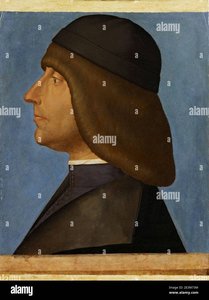
marco palmezzano
1460 - 1539 , Italy
Quick Facts
- Artistic Movement Or Style: Early Renaissance
- Artists Or Movements Influenced By This Artist: ['Correggio']
- Artists Who Influenced This Artist:
- Leonardo da Vinci
- Antonello da Messina
- Date Of Birth: c. 1460
- Date Of Death: c. 1524
- Full Name: Andrea Solari
- Nationality: Italian
- Notable Artworks:
- Madonna with Green Cushion
- Ecce Homo (Poldi-Pezzoli)
- Place Of Birth: Milan, Lombardy

