

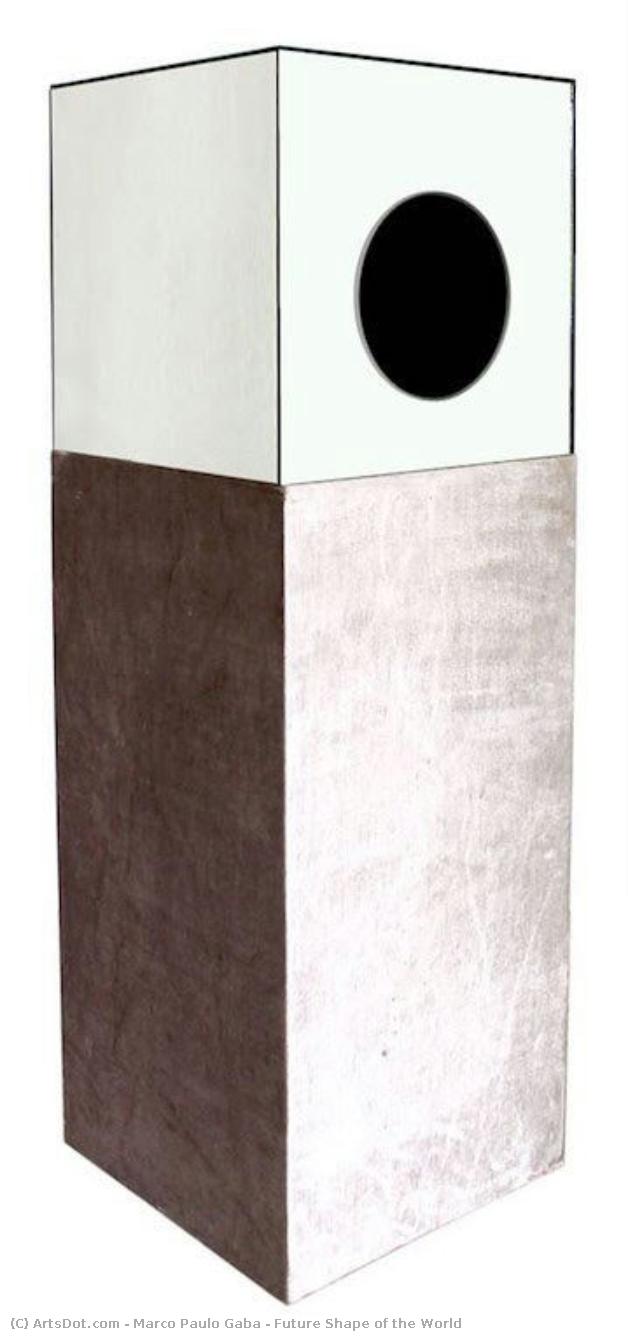
 Preview
 Send
Send Share
Share
 Details

 Download
 Similars
 X-Ray
X-Ray Diaporama
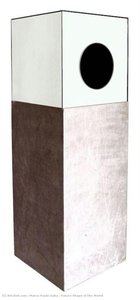
Future Shape of the World
 21.0 x 79.0 cm
 Read More
Giclée / Art Print
Museum-quality giclée or canvas print with fast production and flexible finish options. ( Buy Hand Made Painting Buy Image)




































Pick from our preset sizes that match the artwork's original proportions.

You may enter your own dimensions to fit a specific frame or space. If your selected size does not match the original image's proportions, we will either crop the artwork or extend the image with a mirrored or solid-fill edge. A digital mockup will be sent for your approval before production begins.
Please note that the on-screen preview does not reflect the actual cropping or extension. Only the mockup will accurately show the final composition.
While custom sizes are available, we recommend selecting a dimension from the predefined list to preserve the original proportions.
Worldwide Delivery () in 2 weeks instead of standard 4/5 weeks. (24 August)

Free Worldwide Express Shipping

High-Quality Linen Canvas

Full Shipping Insurance

Customs Tax Refund Guarantee

True Color Matching Guarantee

60-Day Return Policy (Defects Only)

100% Money-Back Guarantee

Bulk Discount Offer
 Glass option is only available in size under 110 CM

Future Shape of the World
Giclée / Art Print
Reproduction Size
-


Total Price
$ 63
Related Artworks






Artist Biography
The Tapestry of Memory: The Art of Marco Paulo Gaba
Born in the vibrant heart of Manila in 1977, Marco Paulo Gaba has emerged as a profound voice in the contemporary Filipino art landscape, weaving together the threads of personal history and cultural heritage. His artistic journey is one of intellectual and aesthetic synthesis, beginning with foundational studies at the University of the Philippines and reaching a sophisticated maturity through his time at the California Institute of the Arts. This multidisciplinary education allowed Gaba to transcend the boundaries of traditional medium, moving beyond mere decoration to treat fabric as a profound vessel for storytelling. His work does not simply exist on a surface; it breathes with the weight of human experience, exploring the delicate intersections of identity, displacement, and the enduring power of remembrance.
The visual language of Gaba’s oeuvre is a captivating dialogue between disparate worlds. He possesses a unique ability to harmonize the bold, experimental energy of Western avant-garde movements with the rhythmic, ancestral echoes of Filipino folk traditions. This duality is most evident in his masterful use of color and form, where striking geometric patterns meet the organic textures of indigenous weaving techniques. By synthesizing these aesthetic vocabularies, Gaba creates a space where the modern and the traditional coexist, inviting viewers to contemplate how cultural legacies are reshaped by the passage of time and the movement of people across borders.
Materiality and Narrative Depth
For Gaba, the choice of medium is an essential component of his conceptual framework. He meticulously manipulates a variety of textiles—including silks, linens, and cottons—transforming these tactile materials into intricate visual narratives. Each fiber serves as a metaphor for the complexities of the human condition; the softness of silk might evoke the fragility of memory, while the structural integrity of linen can represent the resilience of cultural identity. Through this careful manipulation of texture and weight, he grapples with heavy themes such as:
- The fluidity of identity in an increasingly globalized world.
- The traces of displacement and the search for a sense of belonging.
- The preservation of cultural memory against the erosion of time.
- The reconstruction of personal histories through tactile exploration.
His process is far more than a technical exercise in textile art; it is an act of curation, where every stitch and fold contributes to a larger discourse on how we perceive ourselves and our place within the broader tapestry of history.
Legacy and Curatorial Vision
Beyond his individual practice, Gaba has played a pivotal role in shaping the contemporary art dialogue within Southeast Asia and beyond. His commitment to the art community is evidenced by his significant work as a curator, most notably for the exhibition “Future Shape of the World.” In this capacity, he provided a vital platform for Filipino artists to address pressing social issues, demonstrating his dedication to fostering a community that advocates for cultural preservation and social awareness. This role as both creator and facilitator underscores his belief in the transformative power of art to shape perception and drive meaningful conversation.
Gaba’s influence extends into the realm of art criticism and scholarship, where his writings on contemporary practice have earned critical acclaim. By contributing to the intellectual discourse surrounding artistic evolution, he helps bridge the gap between the physical creation of art and its theoretical significance. Today, Marco Paulo Gaba stands not only as a master of textile narrative but as a vital architect of contemporary Filipino identity, leaving an indelible mark on the way we understand the intersection of material, memory, and meaning.
marco paulo gaba
1977 - , Philippines
Quick Facts
- Artistic Movement Or Style: Fabric artworks
- Date Of Birth: 1977
- Full Name: Marco Paulo Gaba
- Nationality: Filipino
- Notable Artworks: ['Future Shape of the World']
- Place Of Birth: Manila, Philippines

