

 Preview
 Send
Send Share
Share
 Details

 Download
 Similars
 X-Ray
X-Ray Diaporama
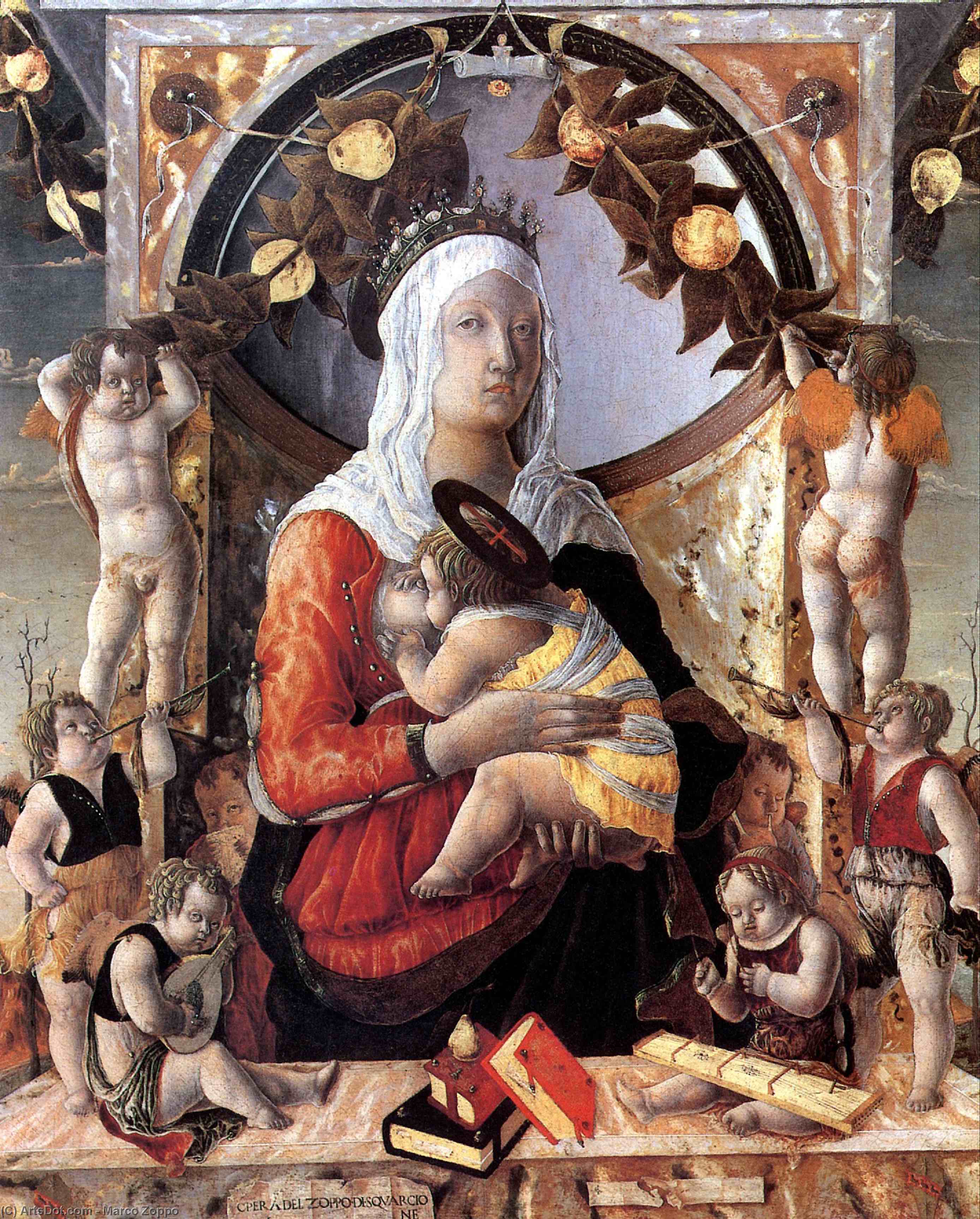
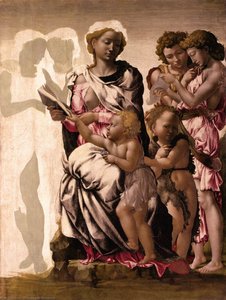
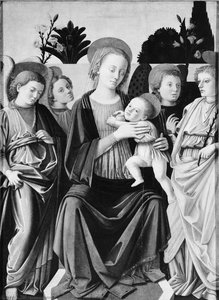
Madonna and Child with Angels
 Acrylic On Canvas
- WallArt
- Renaissance Early Renaissance
 1455
1455 89.0 x 72.0 cm
 The Louvre
 Read More
Purchase a high-resolution, enhanced digital image, far superior to the online preview.
Each file is meticulously prepared by our in-house specialists using advanced tools and expert manual retouching. We ensure every image has exceptional clarity, precise color accuracy, and fine detail.
The final file is delivered via email within 72 hours, optimized for immediate use in professional, editorial, and print environments. This is the same quality trusted by top-tier design studios, publishers, and galleries.
Digital Image
Download a high-resolution file for personal display, printing, and creative projects. ( Buy Print Buy Hand Made Painting)
Included in Every Digital Image Order
Expert Digital Delivery, Guaranteed
When you choose ArtsDot.com, you're not just getting an image - you're receiving a professionally enhanced digital artwork, crafted with precision and backed by a satisfaction guarantee. Here's everything that comes with your order, automatically:

Fast Email Delivery
Your high-resolution digital image file will be emailed to you within 72 hours of ordering - ready for immediate use.

AI-Enhanced Digital File
Your artwork is professionally optimized using advanced AI tools and manual editing, ensuring maximum detail, clarity, and color accuracy.

Free Lifetime Re-Delivery
Accidentally deleted or lost your file? No worries - we'll resend it to you anytime, free of charge.

No Import Fees - Ever
Enjoy your artwork instantly with zero customs, duties, or delivery fees - digital downloads are always tax-free.

Color Accuracy Guarantee
We ensure your digital image reflects the original colors as closely as possible using professional tools and color management.

60-Day Satisfaction Guarantee
If you're not satisfied with your digital image, we'll revise it or refund 100% within 60 days - no questions asked.

100% Money-Back Guarantee
Not satisfied? Get a full refund within 60 days of receiving your digital file - no questions asked.

Bulk Order Discounts
Buy 3 images, save 10% - Buy 5, save 15% - Buy 10+, save 20%. Great for creative projects, galleries, and agencies.
Collectible Description
The Serene Majesty of Zoppo’s Madonna and Child
Marco Zoppo's "Madonna and Child with Angels," painted in 1455, is not merely a devotional image; it’s a profound meditation on motherhood, divine grace, and the harmonious balance between earthly beauty and celestial splendor. Emerging from the vibrant artistic crucible of Bologna during the High Renaissance, Zoppo—a student of Lippo Dalmasio and Francesco Squarcione—crafted a work that transcends its religious subject matter to resonate with an enduring sense of peace and contemplative wonder. The painting’s power lies not just in its technical mastery but also in the subtle emotional depth it conveys, inviting viewers into a world of serene beauty.
Zoppo's style is immediately recognizable for its meticulous detail and a remarkable restraint—a hallmark inherited from his early influences. He eschews the flamboyant exuberance of some of his contemporaries, opting instead for a refined elegance characterized by soft modeling, delicate drapery, and an almost unnerving precision in rendering every fold of fabric and curl of hair. This careful observation is coupled with a masterful use of color—a palette dominated by rich reds, deep blues, and subtle greens—that creates a sense of luminous warmth and spiritual depth. The composition itself is carefully balanced, drawing the eye towards the central figures while subtly incorporating elements that enhance the overall harmony.
A Symphony of Angels and Light
The scene unfolds within a richly decorated niche, reminiscent of a miniature palace—a deliberate choice by Zoppo to elevate the Virgin Mary and Child to a realm of unparalleled beauty. Surrounding them is a carefully orchestrated group of angels, each rendered with exquisite detail and imbued with an almost palpable sense of devotion. These aren’t merely decorative figures; they are active participants in the scene, reaching towards the divine presence with outstretched hands and expressions of profound reverence. The arrangement isn't random; it follows classical principles of symmetry and proportion, creating a visual equilibrium that reinforces the painting’s overall serenity.
Zoppo masterfully employs light to further enhance the emotional impact of the work. A soft, diffused glow emanates from the figures themselves, bathing the scene in an ethereal radiance. This light isn't harsh or dramatic; it’s gentle and enveloping, creating a sense of intimacy and spiritual comfort. The use of *chiaroscuro*—the interplay of light and shadow—is particularly effective in sculpting the forms of the figures, adding depth and volume to their faces and drapery. Notice how the shadows subtly define the contours of Mary's face, emphasizing her maternal tenderness and the vulnerability of the infant Jesus.
Symbolism and Spiritual Resonance
Beyond its aesthetic beauty, “Madonna and Child with Angels” is rich in symbolic meaning. The depiction of Mary nursing her child immediately evokes themes of motherhood, nourishment, and divine grace. The angels, representing heavenly messengers and intermediaries between God and humanity, underscore the central role of Mary as the Mother of God. The inclusion of objects like a book and a pear—traditional symbols of knowledge and earthly abundance—suggests that even within the realm of faith, there is room for both spiritual contemplation and worldly concerns.
The painting’s provenance adds another layer of intrigue to its story. Originally owned by the influential Wimborne family in England, it has traveled through centuries of history, captivating viewers with its timeless beauty. Its presence at Canford Manor, a historic estate steeped in tradition, speaks volumes about the enduring appeal of this masterpiece. The fact that it now resides in the Louvre—one of the world’s most prestigious museums—testifies to its lasting significance as a pivotal work of Renaissance art.
A Timeless Masterpiece for Reflection and Inspiration
“Madonna and Child with Angels” is more than just a painting; it's an invitation to pause, reflect, and connect with the profound beauty and spiritual depth of the human experience. Its serene composition, masterful technique, and rich symbolism continue to resonate with viewers today, offering a timeless message of hope, faith, and the enduring power of maternal love. Whether displayed in a private collection or a public museum, this remarkable work serves as a testament to the genius of Marco Zoppo and his profound contribution to the artistic legacy of the Renaissance.
Related Artworks
Artist Biography
Marco Zoppo (1433 – 1498): A Bolognese Renaissance Master
Marco Zoppo, born in Cento, Italy around 1433, emerged as a prominent figure within the vibrant artistic landscape of Bologna during the High Renaissance. His formative years were spent under the tutelage of Lippo Dalmasio and Francesco Squarcione, absorbing stylistic influences that would characterize his distinctive oeuvre. These early mentors instilled in him a meticulous approach to painting—a hallmark of Zoppo’s later work—and exposed him to the humanist ideals prevalent at the time.- Early Influences: Lippo Dalmasio and Francesco Squarcione provided Zoppo with foundational training, emphasizing realism and careful observation of nature.
- Contemporary Artistic Circles: Zoppo’s artistic milieu included fellow Bolognese painters like Andrea Mantegna and Giovanni Battista Dolcebozzo, fostering a collaborative spirit and stimulating intellectual discourse.
- Signature Style: Zoppo’s paintings are characterized by their refined technique, meticulous attention to detail, and harmonious color schemes.
- Notable Works: Among his most celebrated compositions are “Madonna and Child Enthroned with Saints” and “Madonna and Child with Angels,” which exemplify his artistic prowess and capture the essence of Renaissance iconography.
Further Exploration
For a deeper understanding of Marco Zoppo's artistic achievements, consider visiting San Marco Museum, Florence, Italy – home to the largest collection of Fra Angelico masterpieces and Venetian art history. Alternatively, explore Basilica di San Marco in Venice, marveling at its Byzantine mosaics and architectural grandeur. You can also delve into his life and work through scholarly articles available on Wikipedia.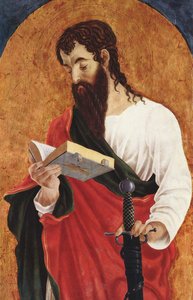
Marco Zoppo
1433 - 1478 , Italy
Quick Facts
- Artistic Movement Or Style: Renaissance
- Artists Or Movements Influenced By This Artist: ['Francesco Francia']
- Artists Who Influenced This Artist:
- Lippo Dalmasio
- Francesco Squarcione
- Andrea Mantegna
- Date Of Birth: 1433
- Date Of Death: 1478
- Full Name: Marco Zoppo
- Nationality: Italian
- Notable Artworks:
- Madonna and Child Enthroned with Saints
- Madonna and Child with Angels
- St Paul
- Place Of Birth: Cento, Italy

