 Preview
 Send
Send Share
Share
 Details

 Download
 Similars
 X-Ray
X-Ray Diaporama
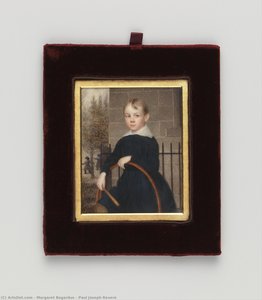
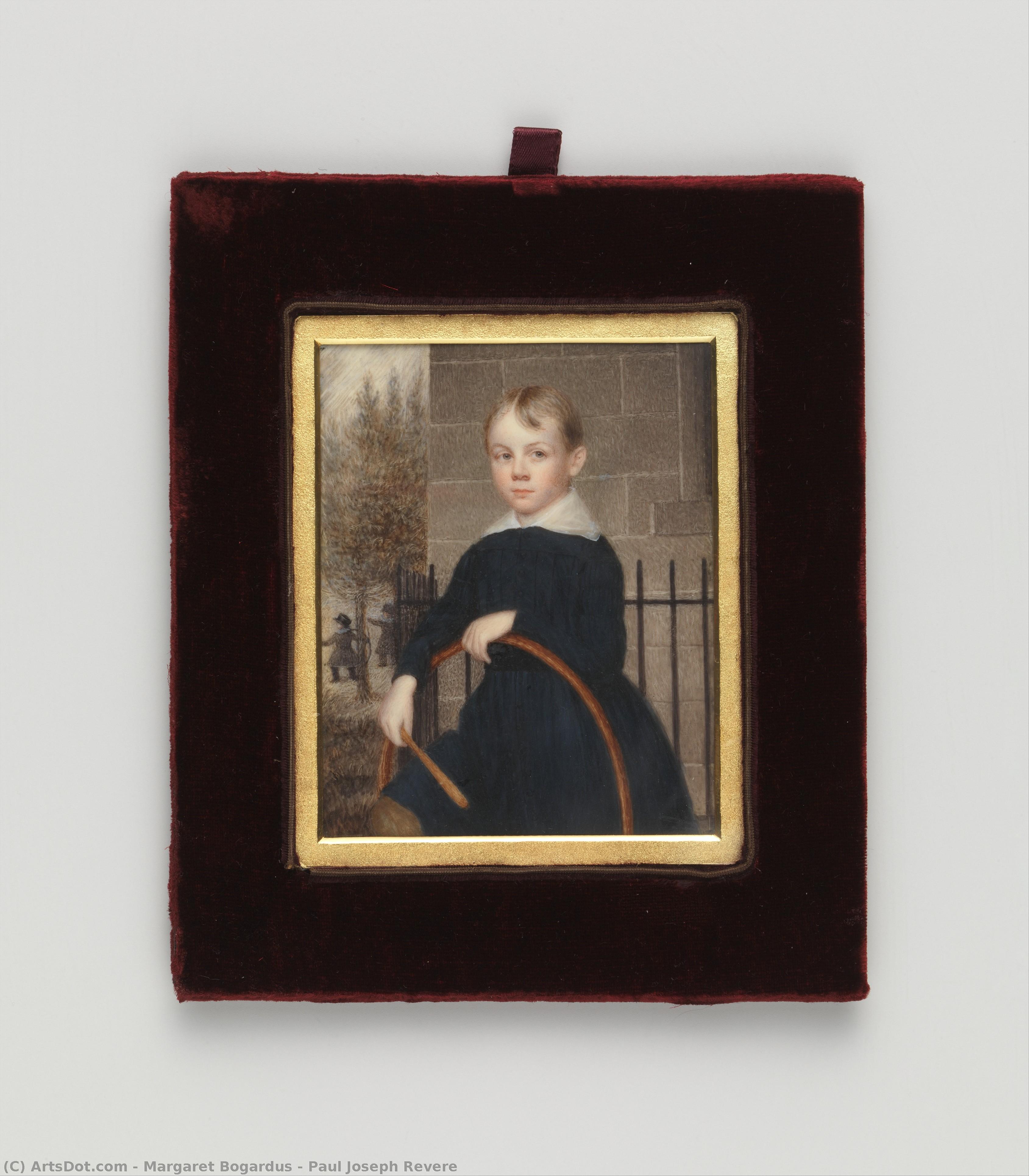
Paul Joseph Revere
 Miniature Painting
 1840
1840 10.0 x 8.0 cm
 Metropolitan Museum of Art
 Read More
Hand Made Oil Reproduction
Hand-painted oil on canvas in your size and frame, made to order by our artists. ( Buy Print Buy Image)




































Pick from our preset sizes that match the artwork's original proportions.

You may enter your own dimensions to fit a specific frame or space. If your selected size does not match the original image's proportions, we will either crop the artwork or extend the painting with additional hand-painted elements. A digital mockup will be sent for your approval before production begins.
Please note that the on-screen preview does not reflect the actual cropping or extension. Only the mockup will accurately show the final composition.
While custom sizes are available, we recommend selecting a dimension from the predefined list to preserve the original proportions.
After order, ArtsDot.com team will email client for instructions and provide a mockup preview
Worldwide Delivery () in 3/4 weeks instead of standard 5 weeks. (21 August). No compromise on quality.

Free Worldwide Express Shipping

High-Quality Linen Canvas

Full Shipping Insurance

Customs Tax Refund Guarantee

True Color Matching Guarantee

60-Day Return Policy (Defects Only)

100% Money-Back Guarantee

Bulk Discount Offer
 Glass option is only available in size under 110 CM

Paul Joseph Revere
Reproduction Medium
Reproduction Size
-


Total Price
$ 263
Artwork Description
Related Artworks

Artist Biography
A Pioneering Spirit in Miniature: The Life and Art of Margaret Maclay Bogardus
Margaret Maclay Bogardus (1804-1878) occupies a unique, often understated position in the annals of American art history. While her husband, James Bogardus, gained renown as the “father of cast-iron architecture,” Margaret was a quietly accomplished and remarkably resilient artist who forged her own path as a pioneering miniature painter. Born in Glasgow, Scotland, she immigrated to the United States with her family at a young age, settling in New York City. This early exposure to both European artistic traditions and the burgeoning American landscape would subtly shape her aesthetic sensibility. Her formal education included attendance at Mrs. Oldmixon’s Ladies Boarding School in Germantown, Pennsylvania, an institution known for its refined curriculum—a testament to her family's commitment to cultivating her talents.Supporting a Vision: Art as Sustenance and Partnership
Margaret’s life took a pivotal turn with her marriage to James Bogardus in 1831. While their union was one of deep affection, it also presented an unusual dynamic for the time. James, a prolific inventor, pursued ambitious projects that initially lacked financial stability. It fell largely upon Margaret to provide economic support through her art. She specialized in watercolor miniature portraits on ivory—a demanding and meticulous technique requiring both technical skill and artistic sensitivity. These were not merely commissions; they were acts of dedication, enabling her husband’s groundbreaking work in cast-iron construction. Her early success allowed James to patent his iron building process in 1850, a feat that would revolutionize American architecture. This partnership—a blend of artistic creation and inventive ingenuity—is central to understanding Margaret's legacy. She wasn’t simply *an artist*; she was an essential catalyst for innovation.A Delicate Hand: Style and Technique
Bogardus’ miniatures are characterized by their exquisite detail, subtle coloration, and a remarkable ability to capture the likeness and personality of her sitters. Working on such a small scale demanded exceptional precision; each brushstroke had to be deliberate, each hue carefully modulated. Her portraits often feature subjects in elegant attire, reflecting the tastes of the affluent clientele she served. However, beyond mere representation, Bogardus imbued her work with a quiet dignity and psychological depth. She was adept at conveying not just physical appearance but also a sense of inner life—a quality that distinguishes her miniatures from more formulaic examples of the genre. The delicate rendering of fabrics, the subtle play of light on skin tones, and the expressive eyes of her subjects all testify to her mastery of watercolor technique.Recognition and Lasting Influence
In 1842, Margaret Bogardus achieved a significant milestone by becoming one of the first women admitted as a member of the National Academy of Design—a testament to her artistic merit and growing reputation. She exhibited regularly at the Academy until 1846, gaining recognition among her peers and establishing herself as a respected figure in the New York art world. Her work is now held in prestigious collections such as the Smithsonian American Art Museum, the Metropolitan Museum of Art, and the National Portrait Gallery—a lasting tribute to her skill and vision. While overshadowed by her husband’s architectural achievements for many years, recent scholarship has begun to illuminate Margaret Bogardus's unique contribution to 19th-century American art. Her story serves as a powerful reminder of the often-unacknowledged role women played in shaping the cultural landscape of the nation.A Legacy Beyond the Canvas
The impact of Margaret Maclay Bogardus extends beyond her individual paintings. She embodied a spirit of resilience, resourcefulness, and artistic dedication that continues to inspire. Her ability to balance personal ambition with familial support—and to thrive in a male-dominated art world—is particularly noteworthy. Her miniatures offer a glimpse into the lives of 19th-century Americans, capturing not only their physical appearance but also their social standing and inner character. Furthermore, her partnership with James Bogardus demonstrates the power of collaboration and the transformative potential of artistic vision combined with inventive ingenuity. She was more than just a painter; she was a pioneer who helped to shape the aesthetic and architectural landscape of America.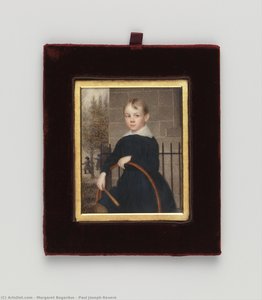
Quick Facts
- Artistic Movement Or Style: Miniature portraiture
- Date Of Birth: 1804
- Date Of Death: 1878
- Full Name: Margaret Maclay Bogardus
- Nationality: American
- Notable Artworks:
- Paul Joseph Revere
- Mr. Boardman
- Peter Van Dyke
- Susan Ann Lansing
- Place Of Birth: Glasgow, Scotland
Related Articles

Paul Klee's Masterpieces: Explore 25 Iconic Paintings & Prints | ArtsDot
Journey through Paul Klee's 25 most iconic paintings & prints. Explore his abstract style, Bauhaus influence, and vibrant color palettes. Find museum-quality art reproductions & decor ideas at ArtsDot.com. Discover all masterpieces online.

Cézanne's Masterpieces: 25 Iconic Artworks to Transform Your Space
Journey through 25 iconic artworks by Paul Cézanne – a master of Impressionism and Post-Impressionism. Explore his landscapes, still lifes, and the stories behind these timeless masterpieces. Discover museum-quality reproductions & curated decor at ArtsDot.com.
Paul Klee: A Poetics of Form and Color – Exploring the Inner Landscape of a Modern Master
Explore the captivating world of Paul Klee! Discover his innovative art, Bauhaus influence, & unique symbolic language. Expert analysis & high-quality reproductions at ArtsDot.
Paul Gabriël: A Study in Belle Époque Academic Painting & Parisian Salon Ambitions
Explore the life & work of Paul Gabriël, a key figure of the Hague School and Belle Époque painting. Discover his journey to Parisian Salon recognition and lasting influence on Dutch landscape art.
Paul César Helleu: Capturing Belle Époque Elegance & Artistic Innovation
Explore the captivating world of Paul César Helleu, master portraitist of the Belle Époque. Discover his innovative techniques, iconic works like 'Portrait of Margaret Kelly,' and investment potential with ArtsDot.