

 Preview
 Send
Send Share
Share
 Details

 Download
 Similars
 X-Ray
X-Ray Diaporama
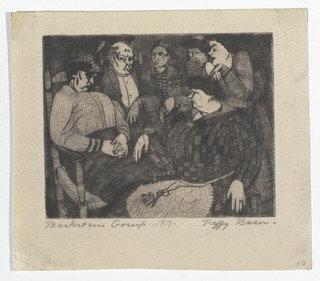
Backstairs Gossip
 Social Commentary
 1919
1919 15.0 x 16.0 cm
 Read More
Purchase a high-resolution, enhanced digital image, far superior to the online preview.
Each file is meticulously prepared by our in-house specialists using advanced tools and expert manual retouching. We ensure every image has exceptional clarity, precise color accuracy, and fine detail.
The final file is delivered via email within 72 hours, optimized for immediate use in professional, editorial, and print environments. This is the same quality trusted by top-tier design studios, publishers, and galleries.
Digital Image
Download a high-resolution file for personal display, printing, and creative projects. ( Buy Print Buy Hand Made Painting)
Included in Every Digital Image Order
Expert Digital Delivery, Guaranteed
When you choose ArtsDot.com, you're not just getting an image - you're receiving a professionally enhanced digital artwork, crafted with precision and backed by a satisfaction guarantee. Here's everything that comes with your order, automatically:

Fast Email Delivery
Your high-resolution digital image file will be emailed to you within 72 hours of ordering - ready for immediate use.

AI-Enhanced Digital File
Your artwork is professionally optimized using advanced AI tools and manual editing, ensuring maximum detail, clarity, and color accuracy.

Free Lifetime Re-Delivery
Accidentally deleted or lost your file? No worries - we'll resend it to you anytime, free of charge.

No Import Fees - Ever
Enjoy your artwork instantly with zero customs, duties, or delivery fees - digital downloads are always tax-free.

Color Accuracy Guarantee
We ensure your digital image reflects the original colors as closely as possible using professional tools and color management.

60-Day Satisfaction Guarantee
If you're not satisfied with your digital image, we'll revise it or refund 100% within 60 days - no questions asked.

100% Money-Back Guarantee
Not satisfied? Get a full refund within 60 days of receiving your digital file - no questions asked.

Bulk Order Discounts
Buy 3 images, save 10% - Buy 5, save 15% - Buy 10+, save 20%. Great for creative projects, galleries, and agencies.
Related Artworks


Artist Biography
Gluck: A Life Painted in Shadow and Light
Hannah Gluckstein, born in London in 1895, was a figure shrouded in intriguing mystery – an artist who deliberately obscured her identity, adopting the pseudonym “Gluck” to distance herself from societal expectations of women artists during her time. Her life unfolded as a tapestry woven with unconventional relationships, artistic experimentation, and a profound connection to the natural world, particularly the Cornish coast. From her privileged upbringing within a wealthy Jewish family – descendants of tobacco merchants – to her eventual self-imposed exile in Cornwall, Gluck’s journey was marked by both freedom and constraint. Her early years were shaped by a complex relationship with her father, Samuel Gluckstein, a man who valued tradition and success above all else, yet fostered within his daughter a spirit of independence and rebellion. This tension – between familial duty and personal aspiration – became a recurring theme in her art.- Early Influences: Gluck’s artistic education began with private lessons, followed by studies at St. John's Wood School of Art and later the Westminster School of Art in London. These formative experiences exposed her to various artistic styles, including Impressionism and early Modernism, though she ultimately developed a highly personal and distinctive approach.
- The Lamorna Colony: A pivotal moment in Gluck’s career was her arrival at the Lamorna colony in Cornwall in 1920. This vibrant artists' community, centered around Porthmeor Studios, provided a space for experimentation and collaboration with fellow painters like Wilhelmina Westenra and Laura Knight. The rugged beauty of the Cornish coastline – its dramatic cliffs, crashing waves, and ever-changing light – became an enduring source of inspiration.
- Relationships and Identity: Gluck’s personal life was as complex as her art. She cultivated close relationships with several women, most notably Nesta Obermer, a fellow artist and model. Their unconventional relationship—documented in their joint self-portrait *Medallion*—became a powerful symbol of female solidarity and artistic expression during a period when homosexuality was largely taboo. Gluck deliberately avoided conventional labels, using the names Peter and Hig to further distance herself from societal norms.
A Distinctive Artistic Style
Gluck’s art is characterized by its haunting atmosphere, evocative use of light and shadow, and a distinctive blend of realism and abstraction. She was particularly drawn to depicting figures in ambiguous settings—often alone or engaged in solitary activities—creating a sense of melancholy and introspection. Her portraits are not merely representations of likeness but rather explorations of psychological states, capturing the inner lives of her subjects with remarkable sensitivity. Her landscapes, too, are imbued with a powerful emotional resonance, reflecting her deep connection to the Cornish coast.- Technique: Gluck’s technique was rooted in observation and direct experience. She worked primarily in oil paint, employing loose brushstrokes and a muted color palette to create a sense of atmosphere and mood. Her use of light is particularly striking, often casting long shadows and highlighting the textures of her subjects and surroundings.
- Subject Matter: While she painted portraits, landscapes, and still lifes, Gluck’s most enduring works are arguably her depictions of solitary figures—often women—engaged in quiet contemplation or lost in thought. These images resonate with a sense of loneliness and isolation, reflecting the artist's own complex emotional life.
- Influence: Though she resisted categorization, Gluck’s work was influenced by a range of artists, including the Impressionists, Post-Impressionists, and early Modernists. However, her unique vision—characterized by its psychological depth and atmospheric intensity—sets her apart from any particular movement.
The Cornish Years: A Sanctuary and a Struggle
Following the dissolution of her relationship with Obermer, Gluck established a permanent studio in Zennor, Cornwall, where she lived until her death in 1978. This period marked both a creative peak and a struggle for recognition. Despite producing a prolific body of work—including portraits, landscapes, and still lifes—Gluck remained largely unknown during her lifetime. Critics often dismissed her art as “feminine” or lacking in technical skill, failing to appreciate the psychological depth and emotional intensity of her paintings.- Isolation and Independence: Gluck deliberately cultivated a life of solitude and independence, rejecting the social conventions of London society and embracing the rugged beauty of Cornwall. She supported herself through the sale of her art and by teaching occasional classes.
- Limited Recognition: Despite exhibiting her work in various galleries and salons, Gluck received little critical acclaim during her lifetime. Her paintings were often overlooked or dismissed as “minor works” by less discerning critics.
- A Legacy Rediscovered: It wasn’t until the late 20th century that Gluck's art began to receive wider recognition. Scholars and collectors rediscovered her unique vision, celebrating her innovative technique, psychological depth, and evocative imagery. Today, she is regarded as one of the most important British artists of the early 20th century—a pioneering figure who defied convention and created a body of work that continues to resonate with audiences today.
Gluck’s Enduring Significance
Gluck's legacy extends beyond her artistic achievements. She represents a powerful example of female creativity in a period when women artists faced significant barriers to recognition. Her deliberate rejection of conventional labels and her unwavering commitment to her own vision challenged societal expectations and paved the way for future generations of female artists. Her work continues to be studied and admired for its psychological depth, atmospheric intensity, and haunting beauty—a testament to the enduring power of a truly unique artistic voice.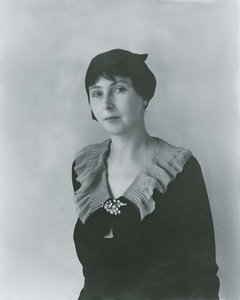
margaret frances "peggy" bacon
1895 - 1987 , United States of America
Quick Facts
- Artistic Movement Or Style: Modernism, Portraiture
- Artists Or Movements Influenced By This Artist: ["Lamorna artists' colony"]
- Artists Who Influenced This Artist: ['Alphonse Mucha']
- Date Of Birth: 13 August 1895
- Date Of Death: 10 January 1978
- Full Name: Hannah Gluckstein”
- Nationality: British
- Notable Artworks:
- Medallion
- A Coign of Vantage
- Place Of Birth: London, England

