 Preview
 Send
Send Share
Share
 Details

 Download
 Similars
 X-Ray
X-Ray Diaporama
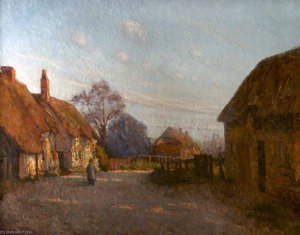
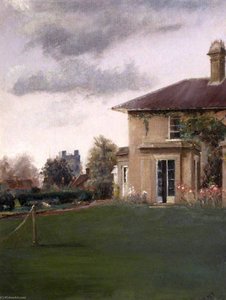
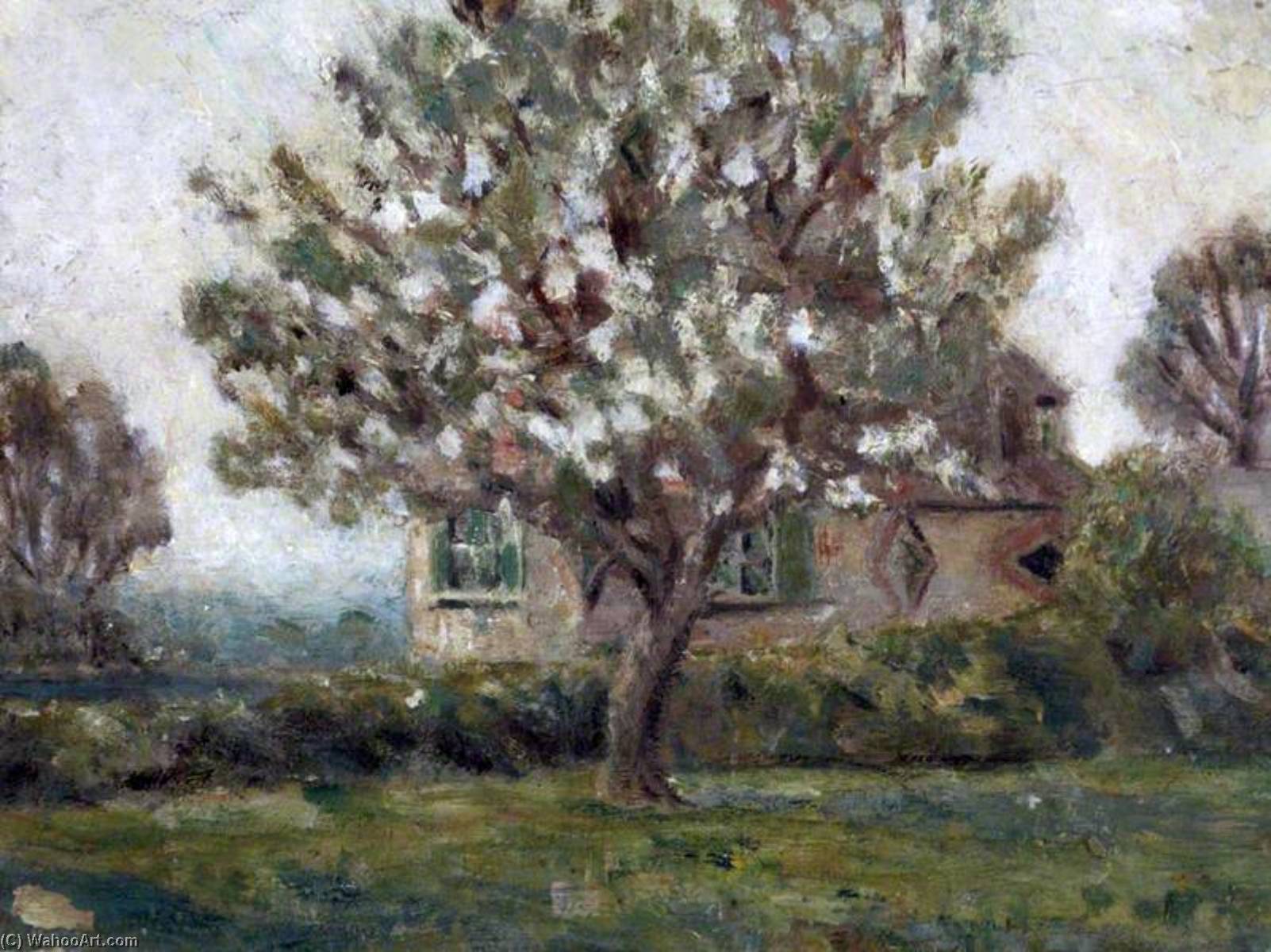
A La Ronde, Exmouth, Devon
 28.0 x 36.0 cm
 *A Ronde*
 Read More
Giclée / Art Print
Museum-quality giclée or canvas print with fast production and flexible finish options. ( Buy Hand Made Painting Buy Image)




































Pick from our preset sizes that match the artwork's original proportions.

You may enter your own dimensions to fit a specific frame or space. If your selected size does not match the original image's proportions, we will either crop the artwork or extend the image with a mirrored or solid-fill edge. A digital mockup will be sent for your approval before production begins.
Please note that the on-screen preview does not reflect the actual cropping or extension. Only the mockup will accurately show the final composition.
While custom sizes are available, we recommend selecting a dimension from the predefined list to preserve the original proportions.
Worldwide Delivery () in 2 weeks instead of standard 4/5 weeks. (22 August)

Free Worldwide Express Shipping

High-Quality Linen Canvas

Full Shipping Insurance

Customs Tax Refund Guarantee

True Color Matching Guarantee

60-Day Return Policy (Defects Only)

100% Money-Back Guarantee

Bulk Discount Offer
 Glass option is only available in size under 110 CM

A La Ronde, Exmouth, Devon
Giclée / Art Print
Reproduction Size
-


Total Price
$ 63
Related Artworks






Artist Biography
A Life Intertwined with Kingdoms: The Art of Margaret L. R. Tudor
Margaret L. R. Tudor, a name resonating with echoes of royal lineage and artistic sensibility, occupies a fascinating, if somewhat elusive, space in the annals of British art history. Born around 1885 and passing in 1969, her life unfolded against the backdrop of shifting societal norms and evolving aesthetic tastes. While biographical details remain sparse—a common fate for many artists outside the established mainstream—her paintings offer a compelling glimpse into a world steeped in tradition, natural beauty, and a quiet, contemplative spirit. Her work, primarily focused on landscapes and scenes evocative of rural life, suggests an artist deeply connected to the land and attuned to the subtle nuances of light and atmosphere. The very name “Tudor” hints at a lineage that connects her, however distantly, to one of England’s most iconic dynasties—a dynasty renowned for its patronage of the arts and its complex interplay of power, politics, and personal drama. It is tempting to speculate on whether this ancestral connection consciously informed her artistic vision, imbuing her canvases with a sense of historical weight and romanticism.The Scottish Connection: Echoes of Heritage
The name Margaret Tudor immediately conjures images of the pivotal figure from 16th-century British history—the daughter of Henry VII, Queen of Scotland through marriage to James IV, and a key player in securing the Stuart claim to the English throne. While our Margaret L. R. Tudor lived centuries later, the legacy of her namesake undoubtedly cast a long shadow. Her paintings frequently depict scenes reminiscent of the Scottish countryside, with rolling hills, ancient trees, and a muted palette that evokes the misty atmosphere of the Highlands. This is not merely coincidence; it’s a deliberate engagement with a heritage steeped in romance, rebellion, and artistic innovation. The jewels of Margaret Tudor, so meticulously documented, were symbols of power and alliance—a visual language of diplomacy and dynastic ambition. While our artist doesn't replicate these opulent displays, her landscapes can be seen as a more subtle form of homage, capturing the spirit of a land that held such significance for her ancestor. The influence extends beyond mere subject matter; there’s a sense of quiet dignity and resilience in her work—qualities often associated with the historical Margaret Tudor's unwavering determination to secure her son’s claim to the Scottish crown.A Palette of Impressionism: Style and Technique
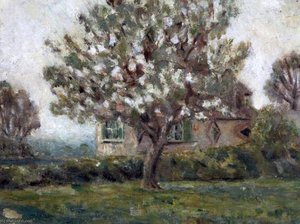
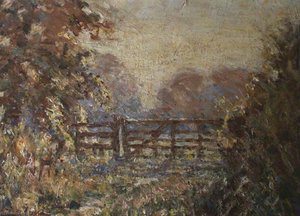
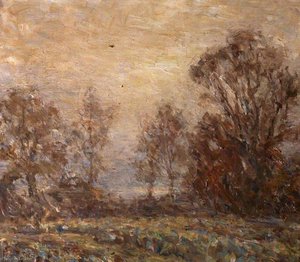
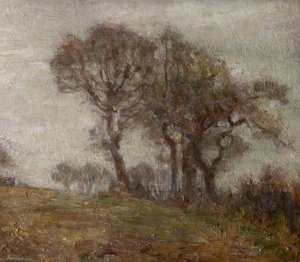
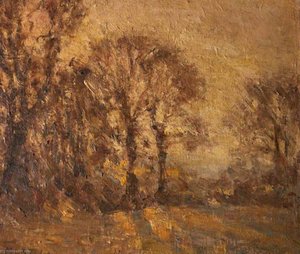
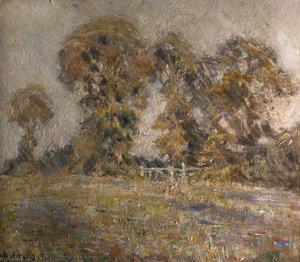
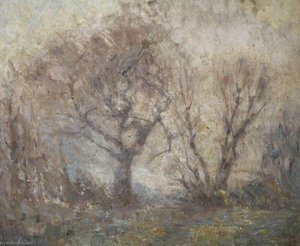
Margaret L. R. Tudor’s artistic style is best described as impressionistic, though not in the radical manner of Monet or Renoir. Her brushwork is looser than traditional academic painting, favoring a more suggestive approach that prioritizes atmosphere and emotional impact over precise detail. She masterfully employs a rich palette of browns, grays, and muted greens to capture the subtle shifts in light and shadow across the landscape. Autumn Evening, one of her most notable works, exemplifies this technique—the scene is not a literal depiction of a specific location but rather an evocation of a mood, a feeling of tranquility and melancholy as the day draws to a close. The use of color is particularly striking; the warm tones of the fading sunlight are juxtaposed with the cool grays of the approaching twilight, creating a sense of depth and dimensionality. Trees in Winter, another compelling piece, showcases her ability to capture the stark beauty of nature—the bare branches silhouetted against a pale sky, conveying a sense of both fragility and enduring strength. Her paintings are not grand statements but rather intimate reflections on the natural world—quiet moments captured with sensitivity and skill.Themes of Rural Life and Legacy
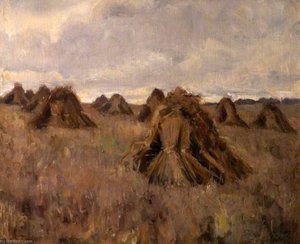
Beyond the Scottish landscapes, Margaret L. R. Tudor’s work frequently depicts scenes of rural life—stooks in a field, suggesting harvest time; quiet country lanes winding through rolling hills. These are not idealized depictions of pastoral bliss but rather honest portrayals of a working landscape, imbued with a sense of authenticity and respect for the rhythms of nature. Her paintings offer a glimpse into a world that was rapidly changing during her lifetime—a world threatened by industrialization and urbanization. In this context, her work can be seen as a form of preservation, a celebration of traditional values and a lament for a way of life that was slowly disappearing. The influence of artists like John Constable, known for his depictions of the English countryside, is evident in her attention to detail and her ability to capture the subtle nuances of light and atmosphere. However, Tudor’s work possesses a unique quality—a quiet introspection that sets it apart from the more overtly romantic style of her contemporaries. Her legacy lies not in groundbreaking innovation but rather in her ability to create evocative and emotionally resonant paintings that offer a glimpse into a bygone era.Historical Significance and Rediscovery
While Margaret L. R. Tudor did not achieve widespread fame during her lifetime, her work is now gaining recognition among art collectors and historians. Her paintings provide valuable insights into the artistic sensibilities of the early 20th century—a period marked by experimentation, social change, and a growing appreciation for individual expression. The rediscovery of her work has been aided by online platforms like Art UK and ArtsDot.com, which have made her paintings accessible to a wider audience. Her connection to the Tudor dynasty, though perhaps more symbolic than direct, adds an intriguing layer to her artistic legacy—a reminder of the enduring power of history and its ability to shape our understanding of the present. The fact that she shared a name with one of England’s most iconic queens undoubtedly contributed to her fascination with Scottish landscapes and themes of royal heritage. Ultimately, Margaret L. R. Tudor's art is a testament to the enduring beauty of nature—a quiet celebration of the land, its history, and its people.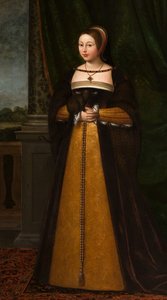
Quick Facts
- Artistic Movement Or Style: Renaissance Painting
- Artists Or Movements Influenced By This Artist: ['Lady Margaret Beaufort']
- Artists Who Influenced This Artist: ['Henry VII']
- Date Of Birth: November 29, 1489
- Full Name: Margaret Tudor
- Nationality: English
- Notable Artworks: ['Autumn Evening']
- Place Of Birth: London