 Preview
 Send
Send Share
Share
 Details

 Download
 Similars
 X-Ray
X-Ray Diaporama
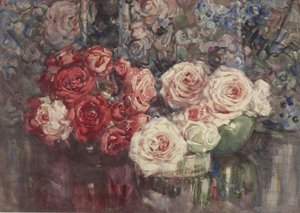
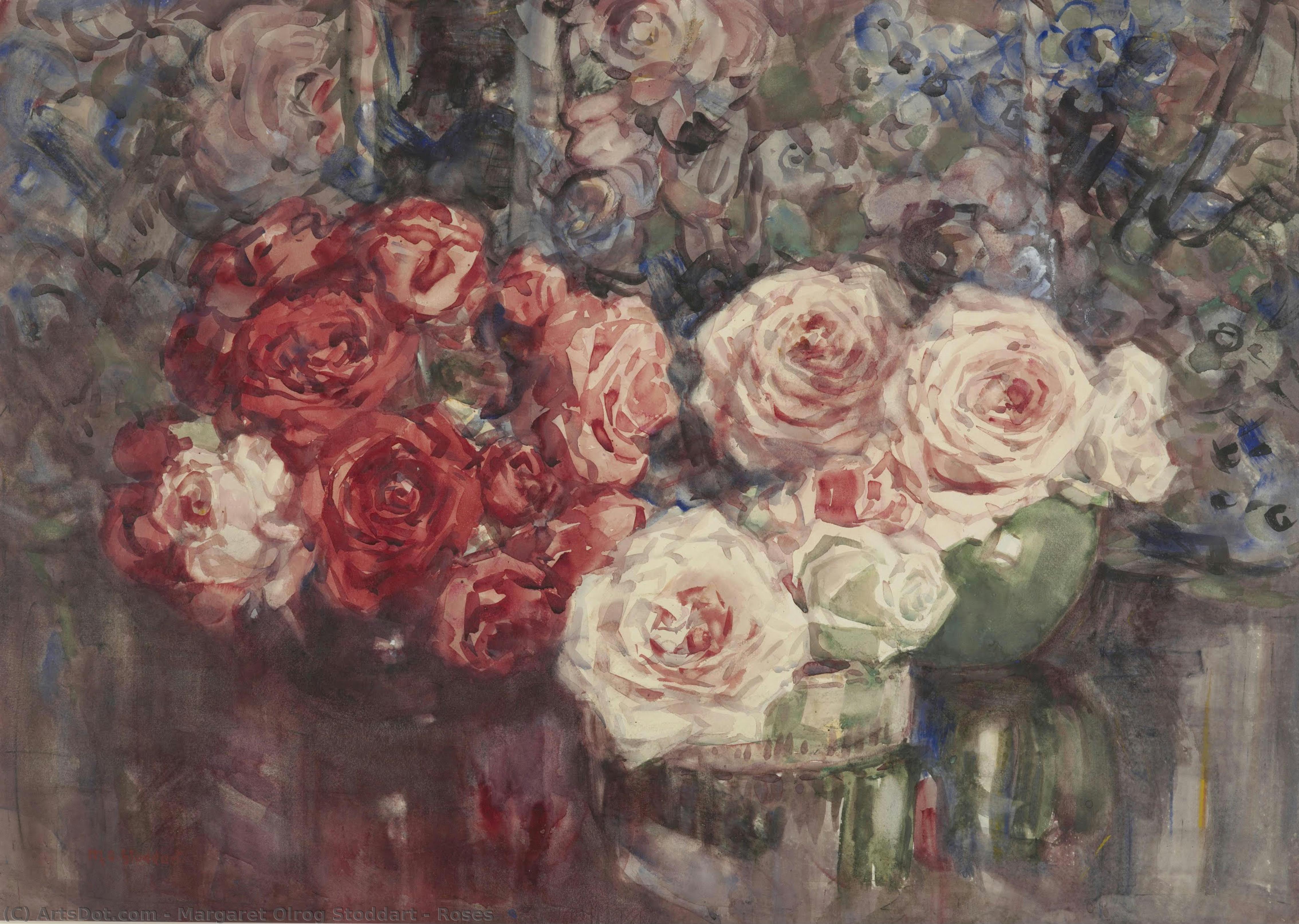
Roses


 Read More
Hand Made Oil Reproduction
Hand-painted oil on canvas in your size and frame, made to order by our artists. ( Buy Print Buy Image)




































Pick from our preset sizes that match the artwork's original proportions.

You may enter your own dimensions to fit a specific frame or space. If your selected size does not match the original image's proportions, we will either crop the artwork or extend the painting with additional hand-painted elements. A digital mockup will be sent for your approval before production begins.
Please note that the on-screen preview does not reflect the actual cropping or extension. Only the mockup will accurately show the final composition.
While custom sizes are available, we recommend selecting a dimension from the predefined list to preserve the original proportions.
After order, ArtsDot.com team will email client for instructions and provide a mockup preview
Worldwide Delivery () in 3/4 weeks instead of standard 5 weeks. (17 August). No compromise on quality.

Free Worldwide Express Shipping

High-Quality Linen Canvas

Full Shipping Insurance

Customs Tax Refund Guarantee

True Color Matching Guarantee

60-Day Return Policy (Defects Only)

100% Money-Back Guarantee

Bulk Discount Offer
 Glass option is only available in size under 110 CM

Roses
Reproduction Medium
Reproduction Size
-


Total Price
$ 263
Artwork Description
Related Artworks
Artist Biography
Margaret Olrog Stoddart: A New Zealand Watercolourist
Early Life and Education
- Born in Diamond Harbour, Canterbury, New Zealand in 1865, Margaret Olrog Stoddart was one of six children.
- Her family moved to Scotland in 1876, where she attended Edinburgh Ladies' College.
- Returning to New Zealand in 1882, she enrolled at the Canterbury College School of Art (now Ilam School of Fine Arts), completing her studies in 1890.
- She became a member of the Palette Club, dedicated to painting from nature.
Artistic Development and Style
- Stoddart established herself as a prominent flower painter during the late 19th and early 20th centuries.
- Her artistic style is characterized by her masterful use of watercolour, a popular medium of the time.
- She frequently depicted landscapes and still-life compositions, reflecting the aesthetic preferences of her era.
- Her travels to the Chatham Islands in 1886 and 1891 provided inspiration for documenting the islands’ unique vegetation.
European Influences and Travels
- Around 1898, Stoddart embarked on a nine-year period of artistic exploration in Europe.
- She resided in London, St Ives (Cornwall), France, and Italy, immersing herself in diverse artistic environments.
- Her work was significantly influenced by the Impressionist and Expressionist movements prevalent during this time.
- She studied with notable artists such as Norman Garstin, Louis Grier, and Charles Lasal.
- Stoddart exhibited her paintings at prestigious venues including the Royal Institute in London, the Society of Aquarellists in Rome, and salons in Paris.
Return to New Zealand and Later Life
- In 1906, Stoddart returned to New Zealand, settling with her family in Christchurch.
- She continued to paint and exhibit her work, becoming a respected figure in the local art community.
- Stoddart was an active member of the Christchurch Sketch Club and served as vice president of the Canterbury Society of Arts.
- She also shared her expertise by teaching at the Canterbury College School of Art, influencing generations of young artists including Toss Woollaston and Evelyn Page.
Major Achievements and Legacy
- Stoddart’s paintings were acquired by prominent institutions such as the Canterbury Society of Arts and the Canterbury Museum early in her career.
- Her work was praised by critics, including recognition in The Sunday Times.
- Following her death in 1934, major retrospective exhibitions of her art were held in Christchurch, Wellington, and Auckland in 1935.
- Today, Margaret Olrog Stoddart is recognized as a significant figure in New Zealand’s art history, celebrated for her delicate watercolour paintings and contribution to the country's artistic heritage.
Historical Significance
- Stoddart represents an important link between European artistic trends and the development of a distinctively New Zealand visual culture.
- Her dedication to capturing the beauty of the New Zealand landscape through watercolour painting helped establish a tradition that continues to inspire artists today.
- Her work provides valuable insights into the social and cultural context of late 19th and early 20th century New Zealand.
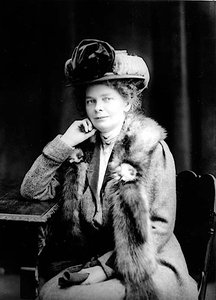
margaret olrog stoddart
1865 - 1934 , New Zealand
Quick Facts
- Birth Date: 1865
- Birth Place: Diamond Harbour, New Zealand
- Death Date: 1934
- Influenced By:
- Impressionism
- Expressionism
- Movement:
- Impressionism
- Expressionism
- Name: Margaret Olrog Stoddart
- Nationality: New Zealander
- Notable Works: Watercolour paintings (landscapes & floral)