 Preview
 Send
Send Share
Share
 Details

 Download
 Similars
 X-Ray
X-Ray Diaporama
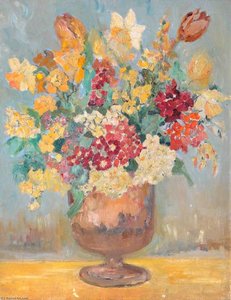
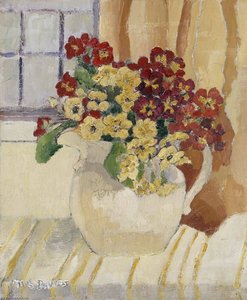
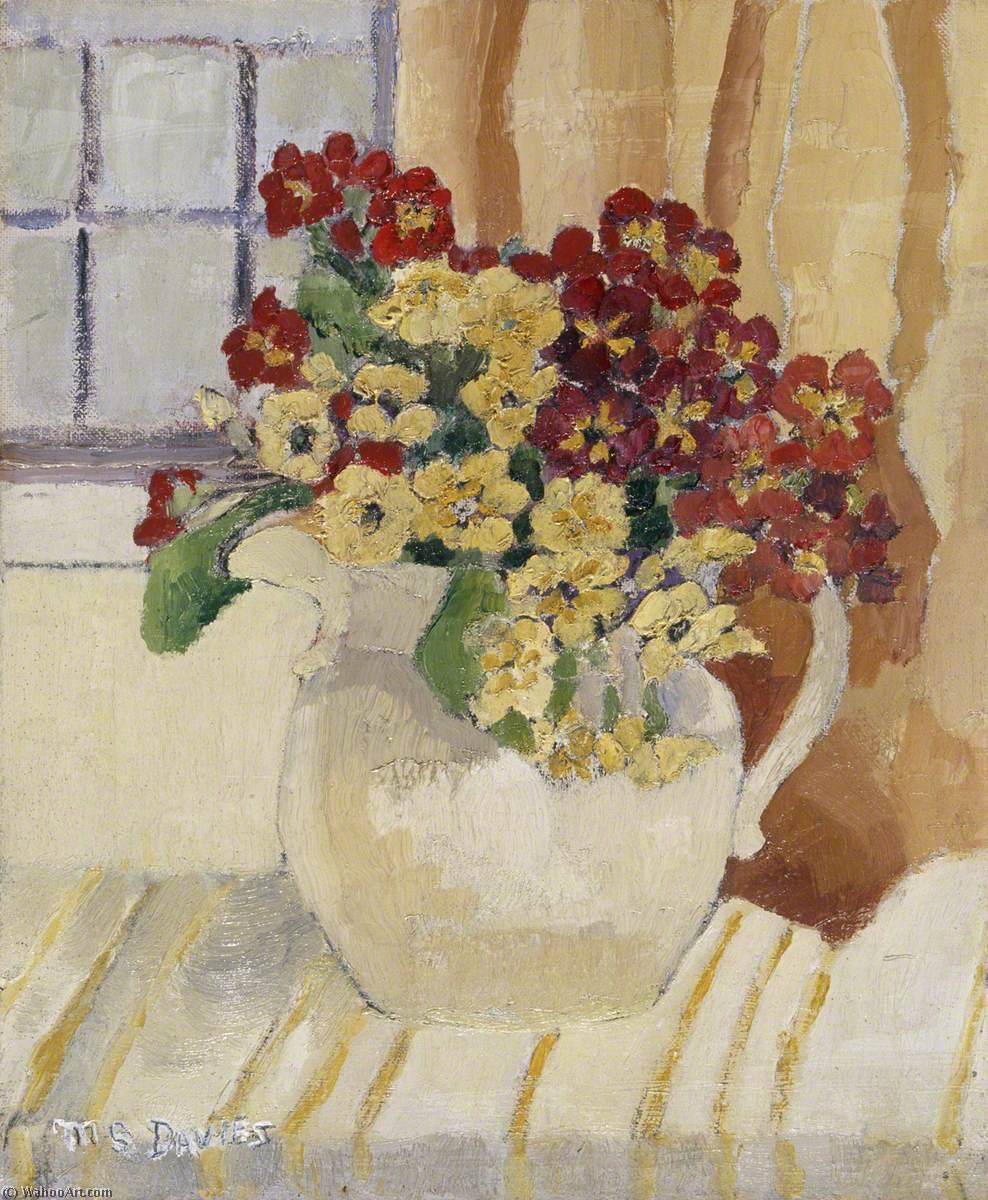
Still Life with Polyanthus in a White Jug
 31.0 x 26.0 cm
 Read More
Hand Made Oil Reproduction
Hand-painted oil on canvas in your size and frame, made to order by our artists. ( Buy Print Buy Image)




































Pick from our preset sizes that match the artwork's original proportions.

You may enter your own dimensions to fit a specific frame or space. If your selected size does not match the original image's proportions, we will either crop the artwork or extend the painting with additional hand-painted elements. A digital mockup will be sent for your approval before production begins.
Please note that the on-screen preview does not reflect the actual cropping or extension. Only the mockup will accurately show the final composition.
While custom sizes are available, we recommend selecting a dimension from the predefined list to preserve the original proportions.
After order, ArtsDot.com team will email client for instructions and provide a mockup preview
Worldwide Delivery () in 3/4 weeks instead of standard 5 weeks. (23 August). No compromise on quality.

Free Worldwide Express Shipping

High-Quality Linen Canvas

Full Shipping Insurance

Customs Tax Refund Guarantee

True Color Matching Guarantee

60-Day Return Policy (Defects Only)

100% Money-Back Guarantee

Bulk Discount Offer
 Glass option is only available in size under 110 CM

Still Life with Polyanthus in a White Jug
Reproduction Medium
Reproduction Size
-


Total Price
$ 263
Related Artworks







Artist Biography
A Legacy of Art Patronage and Welsh Identity
Margaret Sidney Davies (14 December 1884 – 13 March 1963) stands as a pivotal figure in Welsh art history, remembered not only for her own artistic endeavors but primarily for her transformative role in shaping the National Museum Wales’ international collection. Born at Llandinam, Gwynedd, into a family steeped in industrial philanthropy, Davies possessed an innate appreciation for beauty and a determination to foster artistic excellence within her homeland. Her life was inextricably linked to the intellectual pursuits of her sister, Gwendoline Elizabeth Davies, forging a partnership that would redefine the Welsh cultural landscape through a shared devotion to the fine arts.
Davies’s formative years were marked by a privileged upbringing at Highfield School in Hendon, London, providing her with a solid academic foundation alongside an early exposure to artistic sensibilities. Like Gwendoline, she cultivated a passion for collecting artworks—a habit that would define her life's trajectory. This passion was not merely a hobby but a profound mission; as an amateur painter herself, she understood the emotive power of the brushstroke. Her marriage to Trevor Fishlock brought stability and companionship, bolstering their commitment to supporting the arts and nurturing Welsh cultural heritage through both acquisition and creation.
The Spirit of Gregynog and Artistic Innovation
A pivotal moment arrived in 1922 when Davies and Gwendoline acquired Gregynog Hall—a magnificent estate nestled in Montgomeryshire—transforming it into a haven for artistic creativity and scholarly research. Recognizing the dearth of internationally recognized Welsh art, they embarked on an ambitious project: establishing the Gregynog Press, publishing finely crafted limited editions of works by prominent artists both English and Welsh. This endeavor brought a unique tactile beauty to the world of printmaking, blending literature with visual excellence.
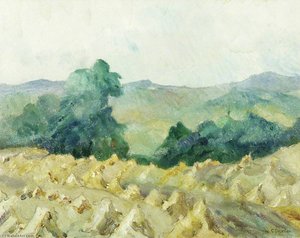
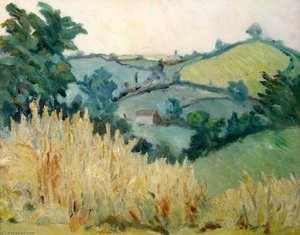
Simultaneously, they championed the creation of the Gregynog Music Festival, attracting celebrated composers and performers such as Ralph Vaughan Williams, Edward Elgar, and Gustav Holst. This festival solidified Gregynog Hall as a cultural epicenter, where the auditory and the visual converged. Davies's own artistic output, though often overshadowed by her monumental role as a patron, reflected these deep-seated influences. Her works, such as "The Harvest" (1940), evoke a serene, Impressionistic beauty, utilizing watercolor to capture the tranquility of rural landscapes with an evocative, light-filled touch.
A Lasting Contribution to the Global Stage
The historical significance of Margaret Sidney Davies lies in her ability to bridge the gap between local Welsh identity and the international avant-garde. Through her meticulous collecting, she and her sister bequeathed a total of 260 works—particularly strong in Impressionist and 20th-century art—which formed the very basis of the present-day National Museum Wales' international collection. Her eye for talent was legendary; during the First World War, she even offered asylum in Wales to Belgian artists such as George Minne and Gustave van de Woestijne, ensuring that the flame of European modernism continued to burn brightly on Welsh soil.
Her artistic legacy is characterized by several enduring achievements:
- The Gregynog Press: A landmark in fine press publishing that celebrated the marriage of text and image.
- The National Museum Collection: The foundational role played in bringing world-class Impressionist masterpieces to the people of Wales.
- Cultural Stewardship: The establishment of the Gregynog Music Festival, which fostered a golden age of musical performance in Montgomeryshire.
Today, when one wanders through the galleries of National Museum Cardiff, the presence of Margaret Sidney Davies is felt in every luminous stroke of the Impressionist masters she so dearly loved. She remains a symbol of how individual passion, when paired with philanthropic vision, can transform the cultural destiny of an entire nation.
Margaret Sidney Davies
1884 - 1963
Quick Facts
- Artistic Movement Or Style: Impressionist Art
- Artists Or Movements Influenced By This Artist:
- Gregynog Press
- National Museum Wales
- Artists Who Influenced This Artist: ['Hercules Brabazon Brabazon']
- Date Of Birth: 1884
- Date Of Death: 1963
- Full Name: Margaret Sidney Davies
- Nationality: Welsh
- Notable Artworks:
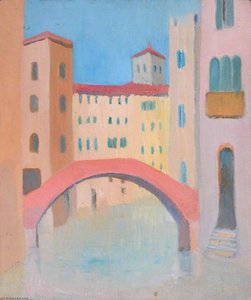
- Venice
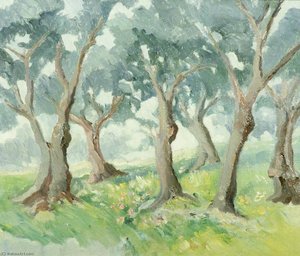
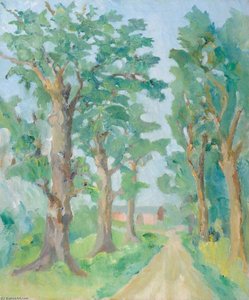
- Four Trees (unfinished)
- Place Of Birth: Llandinam, Wales