 Preview
 Send
Send Share
Share
 Details

 Download
 Similars
 X-Ray
X-Ray Diaporama
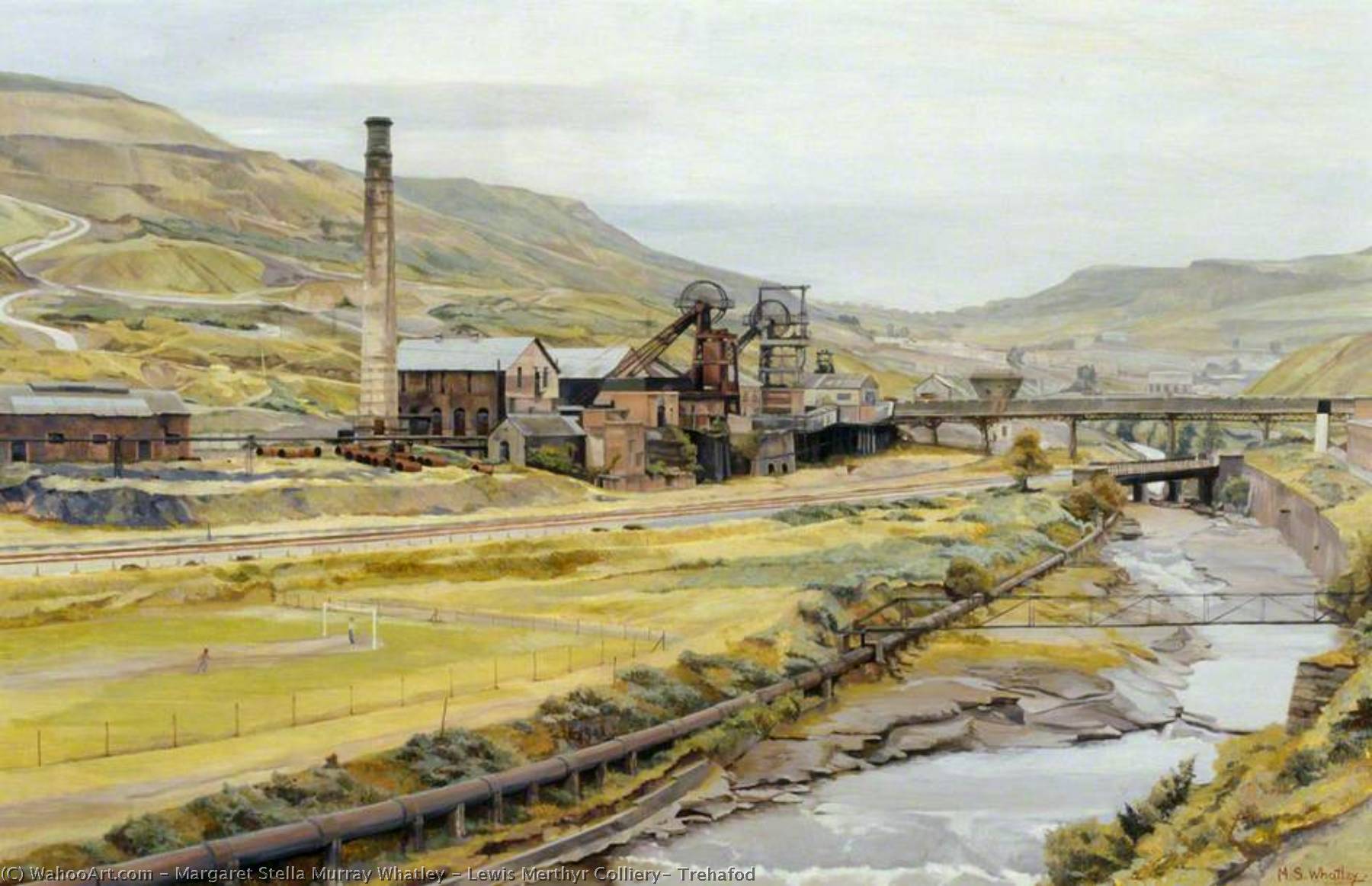
Lewis Merthyr Colliery, Trehafod
 Realism
 59.0 x 87.0 cm
 Read More
Purchase a high-resolution, enhanced digital image, far superior to the online preview.
Each file is meticulously prepared by our in-house specialists using advanced tools and expert manual retouching. We ensure every image has exceptional clarity, precise color accuracy, and fine detail.
The final file is delivered via email within 72 hours, optimized for immediate use in professional, editorial, and print environments. This is the same quality trusted by top-tier design studios, publishers, and galleries.
Digital Image
Download a high-resolution file for personal display, printing, and creative projects. ( Buy Print Buy Hand Made Painting)
Included in Every Digital Image Order
Expert Digital Delivery, Guaranteed
When you choose ArtsDot.com, you're not just getting an image - you're receiving a professionally enhanced digital artwork, crafted with precision and backed by a satisfaction guarantee. Here's everything that comes with your order, automatically:

Fast Email Delivery
Your high-resolution digital image file will be emailed to you within 72 hours of ordering - ready for immediate use.

AI-Enhanced Digital File
Your artwork is professionally optimized using advanced AI tools and manual editing, ensuring maximum detail, clarity, and color accuracy.

Free Lifetime Re-Delivery
Accidentally deleted or lost your file? No worries - we'll resend it to you anytime, free of charge.

No Import Fees - Ever
Enjoy your artwork instantly with zero customs, duties, or delivery fees - digital downloads are always tax-free.

Color Accuracy Guarantee
We ensure your digital image reflects the original colors as closely as possible using professional tools and color management.

60-Day Satisfaction Guarantee
If you're not satisfied with your digital image, we'll revise it or refund 100% within 60 days - no questions asked.

100% Money-Back Guarantee
Not satisfied? Get a full refund within 60 days of receiving your digital file - no questions asked.

Bulk Order Discounts
Buy 3 images, save 10% - Buy 5, save 15% - Buy 10+, save 20%. Great for creative projects, galleries, and agencies.
Related Artworks
Artist Biography
A Vision of Wales: The Life and Art of Margaret Stella Murray Whatley
Margaret Stella Murray Whatley, a name perhaps less celebrated than some of her contemporaries, nevertheless occupies a significant place in the chronicle of early 20th-century British art. Her work offers a poignant and deeply personal glimpse into the changing face of Wales – not merely its picturesque beauty, but also the burgeoning industrial landscape and the lives of those who inhabited it. Born in (date unknown), Whatley dedicated her life to capturing the spirit of her homeland through watercolor and portraiture, leaving behind a legacy that resonates with both artistic skill and social consciousness. While biographical details remain somewhat sparse, the power of her paintings speaks volumes about her dedication and keen observational eye. She is particularly remembered for her association with Lady Margaret Hall and Somerville College, Oxford, where her works documented a pivotal moment in women’s education and societal change.Early Influences and Artistic Development
Whatley's artistic journey unfolded against the backdrop of a rapidly evolving art world. The late Victorian era was giving way to Modernism, yet Whatley remained firmly rooted in representational painting, albeit with a distinctly personal style. Her early training is undocumented, but it’s clear she possessed a natural aptitude for watercolor – a medium perfectly suited to capturing the subtle nuances of light and atmosphere that define her Welsh landscapes. The influence of the English Impressionists can be detected in her loose brushwork and emphasis on color, yet Whatley's palette often leans towards more muted tones, reflecting the rugged beauty and sometimes harsh realities of the Welsh countryside. She wasn’t interested in idyllic prettification; instead, she sought to portray Wales as it was – a land of both breathtaking vistas and hard-won livelihoods. Her early works focused on rural scenes, depicting farms, villages, and the surrounding hills with a delicate precision that belies a deep affection for her subject matter.Documenting a Changing Landscape: Industrial Wales
As Whatley matured as an artist, her focus shifted towards documenting the impact of industry on the Welsh landscape. The coal mines, ironworks, and slate quarries were transforming the country, bringing both prosperity and hardship to its people. Unlike many artists who shied away from depicting these scenes, Whatley embraced them, portraying the workers with dignity and respect. Her paintings of industrial sites are not merely topographical records; they are powerful social commentaries that offer a glimpse into the lives of those who labored in these challenging conditions. She captured the grit, the grime, and the sheer physical effort involved in these industries, but also the sense of community and resilience among the workers. These works stand as important historical documents, providing valuable insights into a period of significant social and economic change.Portraits of Pioneering Women: Art at Oxford
Whatley’s association with Lady Margaret Hall and Somerville College proved to be particularly fruitful. Commissioned to paint portraits of the women who attended these pioneering institutions, she created a remarkable series of works that capture the spirit of a generation determined to break down barriers and forge new paths. These are not simply formal likenesses; they are intimate studies of individual character, revealing the intelligence, ambition, and determination of these groundbreaking women.- Her portraits often depict her subjects in their study or living quarters, surrounded by books and personal belongings – a subtle indication of their intellectual pursuits.
- The use of light is particularly noteworthy in these works, illuminating the faces of her subjects and conveying a sense of inner strength and confidence.
- Whatley’s ability to capture the personality of each sitter is testament to her skill as a portraitist and her sensitivity as an observer.