 Preview
 Send
Send Share
Share
 Details

 Download
 Similars
 X-Ray
X-Ray Diaporama
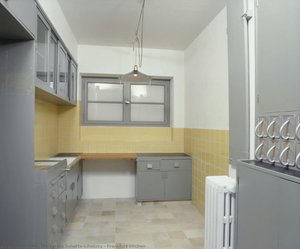
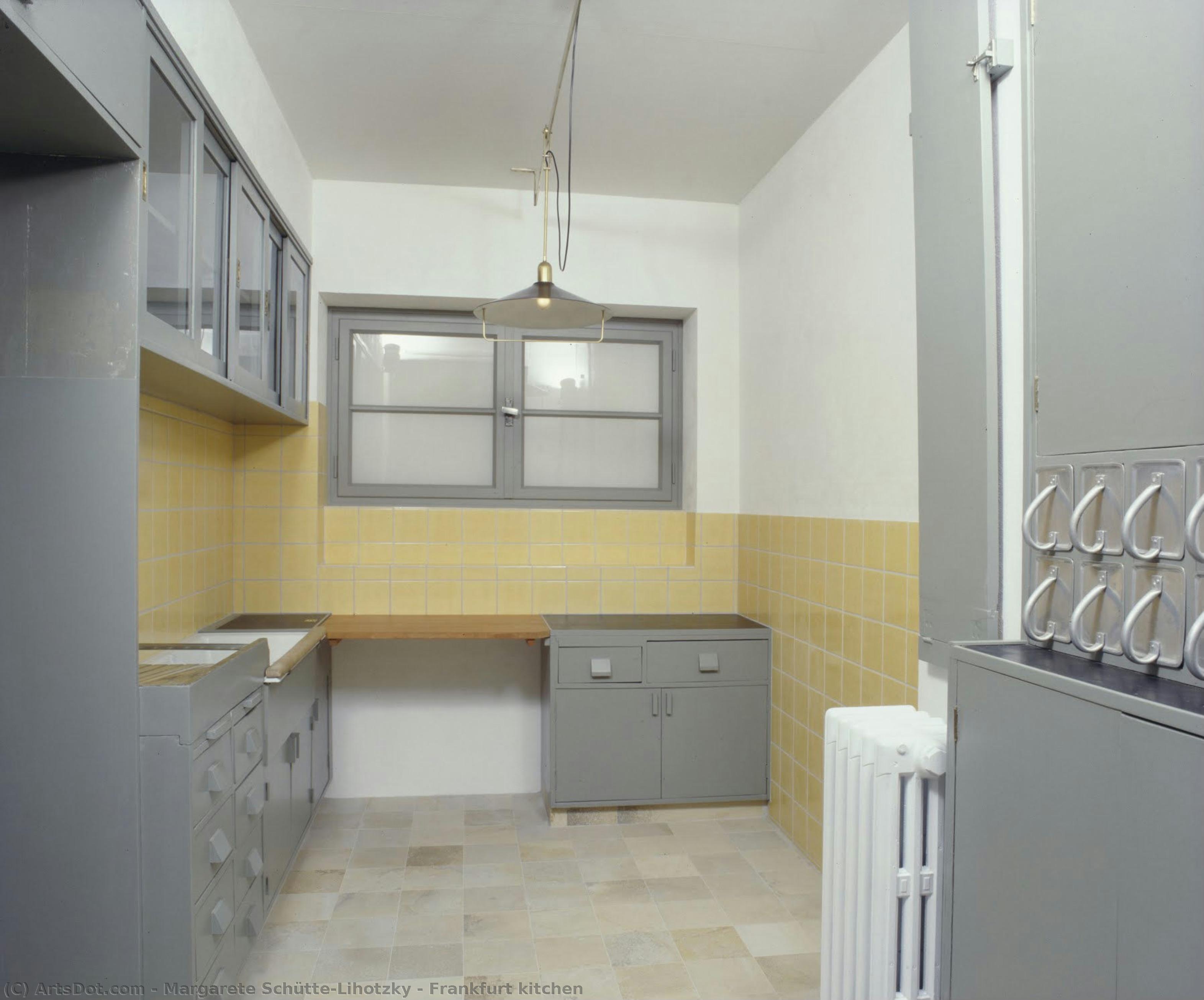
Frankfurt kitchen


 Read More
Giclée / Art Print
Museum-quality giclée or canvas print with fast production and flexible finish options. ( Buy Hand Made Painting Buy Image)




P118B $10

P118H $10

P118W $10

P438Z $10

P508JH $12

P508YH $12

P805H $10

P805Z $10

P919BZ $10

P919G $10

P919XJ $10

P959ZH $10

P968JZ $12

W106C $8

W218G $10

W218JH $8

W218Y $10

W307PJ $10

W316G $10

W316PJ $8

W316Y $10

W398PJ $8

W4111J $10

W500HY $15

W500JH $15

W692G $12

W849H $8

W940BG $15

W953PJ $8




Pick from our preset sizes that match the artwork's original proportions.

You may enter your own dimensions to fit a specific frame or space. If your selected size does not match the original image's proportions, we will either crop the artwork or extend the image with a mirrored or solid-fill edge. A digital mockup will be sent for your approval before production begins.
Please note that the on-screen preview does not reflect the actual cropping or extension. Only the mockup will accurately show the final composition.
While custom sizes are available, we recommend selecting a dimension from the predefined list to preserve the original proportions.
Worldwide Delivery () in 2 weeks instead of standard 4/5 weeks. (21 August)

Free Worldwide Express Shipping

High-Quality Linen Canvas

Full Shipping Insurance

Customs Tax Refund Guarantee

True Color Matching Guarantee

60-Day Return Policy (Defects Only)

100% Money-Back Guarantee

Bulk Discount Offer
 Glass option is only available in size under 110 CM

Frankfurt kitchen
Giclée / Art Print
Reproduction Size
-


Total Price
$ 63
Collectible Description
A Revolution in Domestic Design: Exploring Margarete Schütte-Lihotzky’s Frankfurt Kitchen
Margarete Schütte-Lihotzky's “Frankfurt Kitchen,” conceived in 1926 amidst the pressing challenges of post-war Germany, stands as a monumental achievement not merely in architectural design but as an emblem of social reform and functionalist idealism. More than just a collection of furniture—a sink, oven, refrigerator—it represents a radical reimagining of domestic life during the Weimar Republic, reflecting the burgeoning desire for efficiency and egalitarian access to comfortable living spaces.
- The Context: Following the devastation of World War I, Germany faced an acute housing crisis. The ambitious “New Frankfurt” project spearheaded by Ernst May sought to address this issue head-on, prioritizing social welfare alongside architectural innovation.
- Schütte-Lihotzky’s Vision: Recognizing the evolving role of women in the workforce, Schütte-Lihotzky envisioned a kitchen that would liberate them from arduous chores, allowing for greater participation in public life while maintaining domestic harmony.
- Functionalist Principles: The design embodies the core tenets of functionalism—a movement championed by Bauhaus – prioritizing form following function above all else. Every element was meticulously considered to maximize practicality and minimize waste.
A Synthesis of Form and Function
The kitchen’s aesthetic is strikingly simple yet undeniably elegant. Constructed primarily from white tiles—a deliberate choice reflecting purity and hygiene—the space exudes a sense of calm and order. The carefully calibrated proportions contribute to an atmosphere of spaciousness, despite the limited footprint demanded by urban living conditions. Schütte-Lihotzky's genius lay in her ability to transform utilitarian needs into visual delight.
- Material Palette: White tiles dominate the walls and floor, complemented by durable linoleum for countertops—a testament to the era’s commitment to affordable materials.
- Spatial Arrangement: The layout prioritizes workflow, placing essential appliances strategically to streamline tasks and conserve energy.
Symbolism Beyond Utility
Beyond its pragmatic design features, “Frankfurt Kitchen” carries profound symbolic weight. It represents a rejection of opulent aristocratic tastes in favor of humanist values—a belief that good design could elevate the quality of life for all citizens. The kitchen’s standardization mirrored the broader Bauhaus ethos: embracing mass production to democratize access to beautiful and functional objects.
- Bauhaus Influence: Schütte-Lihotzky's work is inextricably linked to the Bauhaus movement, which sought to unify art and craft through rational design principles.
- Social Idealism: The kitchen embodies a utopian vision of social harmony—a belief that architecture could contribute to creating a more equitable and prosperous society.
Legacy and Enduring Inspiration
"Frankfurt Kitchen" swiftly gained international acclaim, influencing kitchen planning worldwide and cementing Schütte-Lihotzky’s place as one of the most influential architects of her time. Today, it remains a celebrated exemplar of modernist design—a reminder that beauty can be found in simplicity and that thoughtful consideration of human needs is paramount to creating spaces that enrich our lives. Its impact continues to resonate within contemporary interior design studios and serves as an enduring source of inspiration for those striving to achieve elegance and efficiency.
Related Artworks






Artist Biography
Early Life and Education
- Born: Vienna, Austria (January 23, 1897)
- Died: Vienna, Austria (January 18, 2000)
- Margarete Schütte-Lihotzky, initially known as Margarete Lihotzky, was born into a bourgeois family in Vienna. Her grandfather, Gustav Lihotzky, served as mayor of Czernowitz, Ducal Bukovina.
- She studied at the University of Applied Arts Vienna from 1915 to 1919 under Oskar Strnad and Heinrich Tessenow.
- Lihotzky was the first woman to qualify as an architect in Austria, a significant achievement given the societal norms of the time. She reportedly needed a letter of recommendation from Gustav Klimt to gain admission to the university.
The Frankfurt Kitchen and Early Career
- In 1926, she joined the Hochbauamt (Office for Housing Construction) in Frankfurt am Main, Germany, under Ernst May.
- Her most famous achievement is the design of the "Frankfurt Kitchen" (1926-1927), a prototype for modern kitchen design. It was part of the New Frankfurt housing program aimed at providing affordable and functional living spaces.
- The Frankfurt Kitchen emphasized efficiency, rationalization, and standardization, incorporating built-in appliances and a compact layout to maximize space utilization.
- Beyond the kitchen, she contributed to other aspects of the New Frankfurt project, including designs for laundries, single women's housing, and standardized garden huts.
Political Activism and Later Life
- Schütte-Lihotzky was a committed communist activist throughout her life.
- She actively participated in the Austrian resistance to Nazism during World War II, facing imprisonment for her political beliefs.
- After the war, she continued to advocate for social justice and improved living conditions, particularly for women and working-class families.
- She designed "warmed rooms" in Vienna after the war to provide shelter for those affected by poverty and cold.
Influences and Historical Significance
- Oskar Strnad: Her mentor at the University of Applied Arts, Strnad's focus on social housing significantly influenced her design philosophy.
- Adolf Loos: Collaboration with Loos exposed her to modernist architectural principles.
- Ernst May: Working under May in Frankfurt provided her with the opportunity to implement her designs on a large scale.
- The Frankfurt Kitchen is considered a seminal work of modern architecture and kitchen design, influencing countless subsequent designs. It represents a shift towards functionalism and standardization in domestic spaces.
- Schütte-Lihotzky's career demonstrates the intersection of architectural innovation, social activism, and political commitment. She challenged gender roles within the profession and advocated for equitable housing solutions.
Legacy
- Margarete Schütte-Lihotzky’s work has gained increasing recognition in recent decades, particularly as feminist scholars have highlighted her contributions to architectural history.
- She is remembered as a pioneering architect, a visionary activist, and a champion of social justice.
- Her legacy continues to inspire architects and designers to prioritize functionality, sustainability, and social responsibility in their work.

margarete schütte-lihotzky
1897 - 2000 , Austria
Quick Facts
- Artists Who Influenced This Artist:
- Oskar Strnad
- Heinrich Tessenow
- Date Of Birth: January 23, 1897
- Date Of Death: January 18, 2000
- Full Name: Margarete Schütte-Lihotzky
- Nationality: Austrian
- Notable Artworks: ['Frankfurt Kitchen']
- Place Of Birth: Vienna, Austria
Related Articles

The Aesthetic Evolution of Design in Art: From Functional Form to Conceptual Expression
Explore the evolution of design in art from functionalism to conceptual expression. Discover Bauhaus ideals, De Stijl's impact & post-war abstraction. Expert insights for collectors.
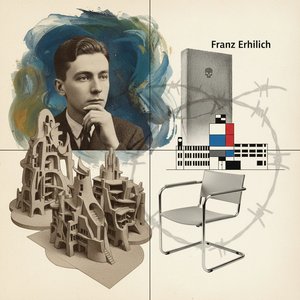
Franz Ehrlich: Bridging Expressionism, Bauhaus & the Shadows of History
Explore the life of Franz Ehrlich, a pivotal Bauhaus architect whose career spanned Expressionism, resistance during Nazi Germany, and GDR reconstruction. Discover his complex legacy & view museum-quality reproductions at ArtsDot.

Elevating Interiors: How Murals are Redefining Kitchens and Bathrooms
Transform your kitchen & bathroom with stunning murals! Explore design trends, durable materials & expert advice. Elevate your interiors with 's bespoke mural solutions.
Lyonel Feininger: Bridging Expressionism & Cubism – A Study of Spiritual Geometry
Explore the captivating world of Lyonel Feininger, a pivotal figure bridging Expressionism & Cubism. Discover his architectural visions, Bauhaus influence, and enduring legacy in modern art history. Learn more at ArtsDot.
Paul Klee: A Poetics of Form and Color – Exploring the Inner Landscape of a Modern Master
Explore the captivating world of Paul Klee! Discover his innovative art, Bauhaus influence, & unique symbolic language. Expert analysis & high-quality reproductions at ArtsDot.