 Preview
 Send
Send Share
Share
 Details

 Download
 Similars
 X-Ray
X-Ray Diaporama
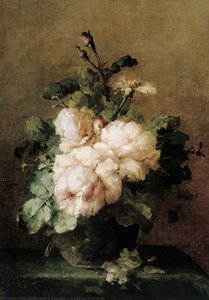
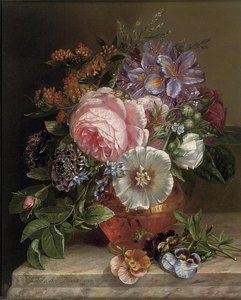
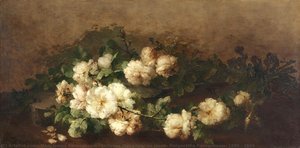
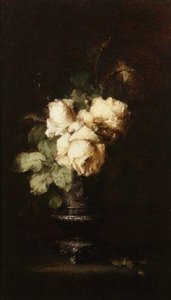
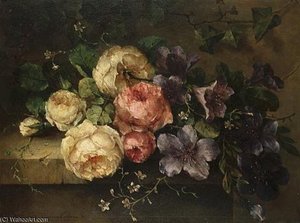
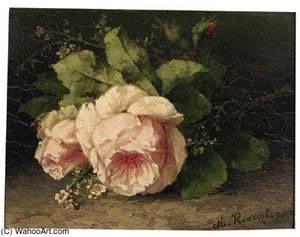
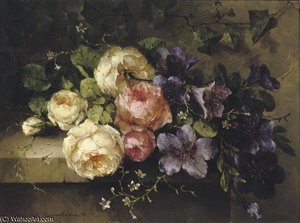
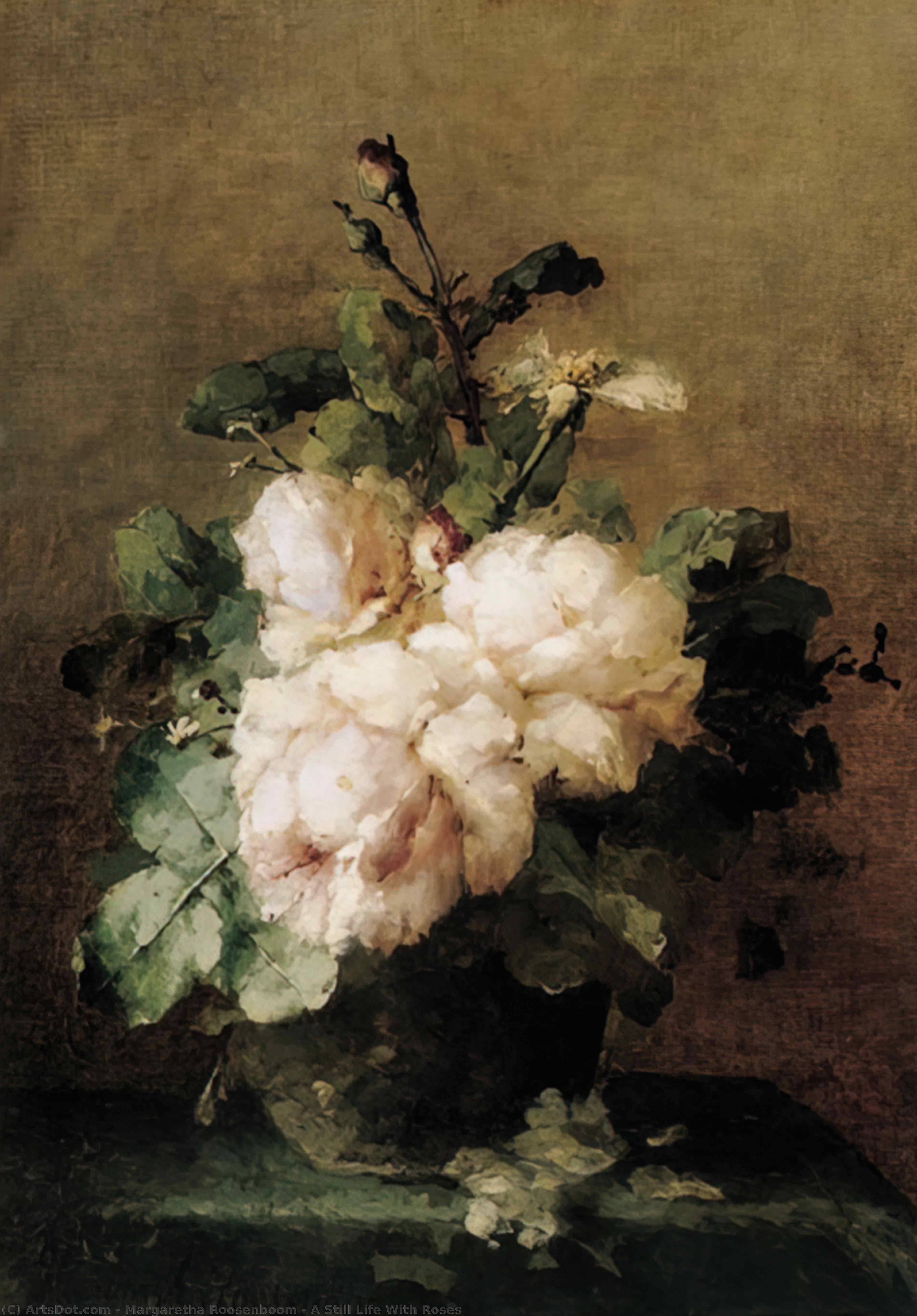
A Still Life With Roses
 Read More
Giclée / Art Print
Museum-quality giclée or canvas print with fast production and flexible finish options. ( Buy Hand Made Painting Buy Image)




































Pick from our preset sizes that match the artwork's original proportions.

You may enter your own dimensions to fit a specific frame or space. If your selected size does not match the original image's proportions, we will either crop the artwork or extend the image with a mirrored or solid-fill edge. A digital mockup will be sent for your approval before production begins.
Please note that the on-screen preview does not reflect the actual cropping or extension. Only the mockup will accurately show the final composition.
While custom sizes are available, we recommend selecting a dimension from the predefined list to preserve the original proportions.
Worldwide Delivery () in 2 weeks instead of standard 4/5 weeks. (22 August)

Free Worldwide Express Shipping

High-Quality Linen Canvas

Full Shipping Insurance

Customs Tax Refund Guarantee

True Color Matching Guarantee

60-Day Return Policy (Defects Only)

100% Money-Back Guarantee

Bulk Discount Offer
 Glass option is only available in size under 110 CM

A Still Life With Roses
Giclée / Art Print
Reproduction Size
-


Total Price
$ 63
Collectible Description
The Artistic Style of Margaretha Roosenboom
Margaretha Roosenboom was known for her exceptional talent in creating still-life paintings that were both visually appealing and rich in detail. Her works often featured flowers, fruits, and other household items arranged in a harmonious manner. In A Still Life With Roses, the artist has skillfully used light and color to create a sense of depth and dimensionality.Key Elements of the Painting
- Composition: The vase with roses is placed centrally on the table, creating a balanced composition that draws the viewer's attention. - Color Palette: The use of soft pink for the roses and muted greens for the leaves adds to the serene atmosphere of the painting. - Lighting: The subtle play of light on the flowers and the table creates a sense of warmth and coziness.Other Notable Works by Margaretha Roosenboom
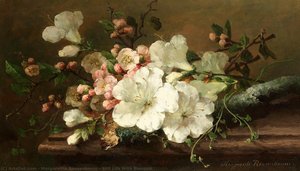
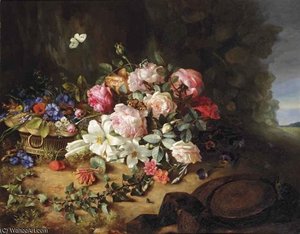
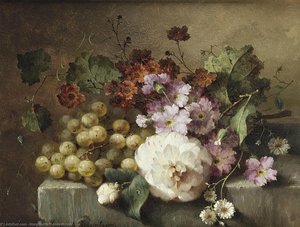
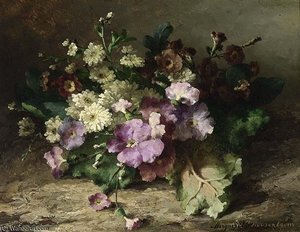
Margaretha Roosenboom's other notable works include:- A Mixed Bouquet On A Ledge
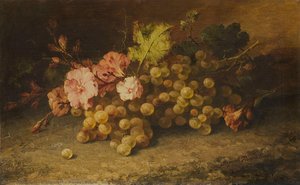
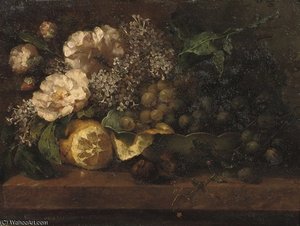
- A Still Life With Roses And Grapes
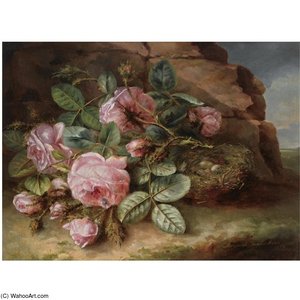
- A Still Life With Roses Near A Bird's Nest
Artistic Influences and Context
Margaretha Roosenboom's work can be seen in the context of the broader tradition of Dutch still-life painting, which flourished during the 17th century. Her paintings reflect a deep understanding of light, color, and composition, elements that were characteristic of this period.Conclusion
A Still Life With Roses by Margaretha Roosenboom is a testament to her skill as an artist and her ability to create beautiful, serene scenes. This painting, along with her other works, continues to captivate art lovers and inspire new generations of artists. For those interested in exploring more artworks like A Still Life With Roses, the Margaretha Roosenboom's page on ArtsDot offers a collection of her paintings. Additionally, the San Diego Museum of Art, known for its diverse art collections, is a great place to learn more about various artistic styles and movements.Related Artworks
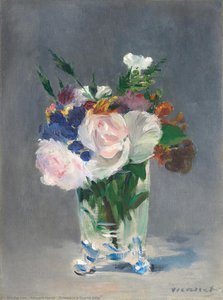
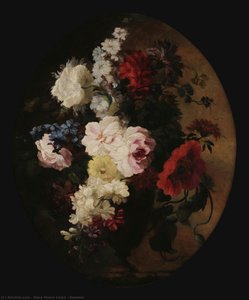
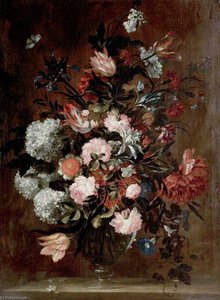
Artist Biography
A Life in Bloom: The World of Margaretha Roosenboom
Margaretha Roosenboom, a name perhaps less instantly recognizable than some of her contemporaries, nevertheless occupies a significant and luminous space within the history of 19th-century Dutch painting. Born in Voorburg in 1843, she blossomed from a gifted child prodigy into an accomplished artist celebrated for her exquisite flower and fruit still lifes. Her story is one interwoven with family tradition, artistic innovation, and a quiet determination to succeed in a world that often presented barriers to female artists. Roosenboom’s lineage was deeply rooted in the Dutch artistic landscape; she was the daughter of Nicolaas Johannes Roosenboom, a respected landscape painter, and the granddaughter of Andreas Schelfhout, a renowned master of naturalistic landscapes. This familial connection provided an early and immersive education in the principles of art, nurturing her talent from a tender age. Growing up initially in Brussels, young Margaretha received foundational training from her father, laying the groundwork for her future artistic pursuits.Formative Years and Artistic Development
The return to The Hague in 1867 marked a pivotal moment in Roosenboom’s development. She sought further refinement of her skills under the tutelage of her grandfather, Andreas Schelfhout. His influence is palpable in her meticulous attention to detail and unwavering commitment to naturalism – qualities that would become hallmarks of her style. Even as a young girl, her talent garnered recognition; at just sixteen years old, she exhibited work at Pulchri Studio, a prestigious art society in The Hague. While full membership wouldn’t come until 1878, this early acceptance signaled the promise within her brushstrokes. However, Roosenboom didn't remain solely tethered to tradition. As her career progressed, she began to embrace elements of Impressionism, infusing her compositions with luminous colors and a heightened sensitivity to the fleeting effects of light. This subtle shift demonstrates an artist willing to evolve and experiment, absorbing contemporary influences while maintaining her unique artistic voice. She often signed her works simply as “Marguerite,” adding a touch of personal elegance and perhaps a hint of romanticism to her creations.A Master of Still Life: Themes and Style
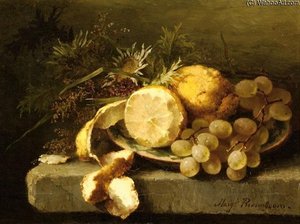
Roosenboom’s artistic focus centered almost exclusively on still life, specifically the captivating beauty of flowers and fruit. She possessed an extraordinary ability to capture not merely the *appearance* of these subjects but their very essence – the delicate texture of a petal, the glistening sheen of a grape, the subtle blush of a peach. Her paintings are characterized by vibrant arrangements, often featuring blossoms, grapes, lemons, and other natural elements rendered with remarkable realism. She wasn’t simply replicating what she saw; she was interpreting it through her own artistic sensibility, creating compositions that were both visually stunning and emotionally resonant. The arrangement of objects within her still lifes isn't arbitrary; they are carefully considered to create a harmonious balance of color, form, and texture. This meticulous approach, combined with her growing Impressionistic tendencies, resulted in works that felt simultaneously grounded in reality and imbued with a sense of ethereal beauty.Recognition and Legacy
Margaretha Roosenboom’s talent extended beyond the borders of the Netherlands, earning her international acclaim. She received awards at several prestigious exhibitions, including the World's Fair in Vienna (1873), the Chicago World Exposition (1893), and the World's Fair in Atlanta (1895)—a testament to the universal appeal of her art. Her personal life also saw significant changes during this period. In 1887, she moved in with her cousin, Maria Henrietta Catherina van Wielik, who was married to painter Johannes Gijsbert Vogel. Following her cousin’s death in 1892, Roosenboom married Vogel, forging a partnership that blended their artistic lives. Beyond her own accomplishments, Roosenboom dedicated herself to mentoring other female artists, including Adrienne van Hogendorp-s' Jacob and Helene Cramer, both of whom also exhibited at the Chicago World Exposition. Sadly, her life was tragically cut short in 1896 at the age of 53, succumbing to injuries sustained from a fall. Despite her untimely death, Margaretha Roosenboom’s artistic legacy endures. Her work reflects the flourishing Dutch still life tradition of the 19th century while simultaneously incorporating emerging Impressionistic techniques. She stands as an inspiring figure—a woman who navigated the challenges of her time to achieve recognition and leave a lasting mark on the world of art.Historical Significance
- A Bridge Between Traditions: Roosenboom’s work represents a fascinating intersection between established Dutch artistic traditions and the burgeoning influence of Impressionism.
- Championing Female Artists: Her success as a female artist during an era marked by significant gender inequality is particularly noteworthy. She paved the way for future generations of women painters, demonstrating that talent knows no boundaries.
- A Celebration of Nature’s Beauty: Through her exquisite still lifes, Roosenboom elevated the everyday beauty of flowers and fruit to a level of artistic significance, inviting viewers to appreciate the delicate wonders of the natural world.
- Lasting Influence: While perhaps not as widely known today as some of her male contemporaries, Roosenboom’s work continues to be appreciated by art enthusiasts and scholars alike. Her paintings are a testament to her skill, vision, and enduring artistic legacy.
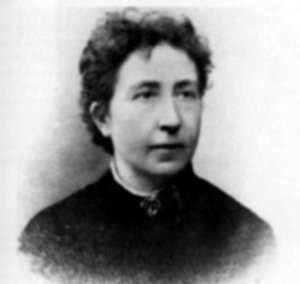
Margaretha Roosenboom
1843 - 1896 , Netherlands
Quick Facts
- Artistic Movement Or Style: Impressionism, Still life
- Artists Or Movements Influenced By This Artist:
- Adrienne van Hogendorp-s' Jacob
- Helene Cramer
- Artists Who Influenced This Artist:
- Andreas Schelfhout
- Nicolaas Roosenboom
- Date Of Birth: 1843
- Date Of Death: 1896
- Full Name: Margaretha Roosenboom
- Nationality: Dutch
- Notable Artworks:
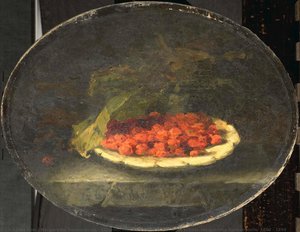
- Strawberries in white bowl
- Guitar and roses still life
- Still Life with Grapes
- Place Of Birth: Voorburg, Netherlands