 Preview
 Send
Send Share
Share
 Details

 Download
 Similars
 X-Ray
X-Ray Diaporama
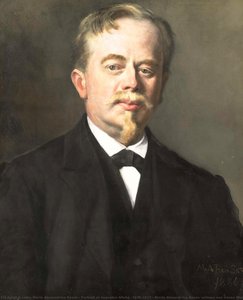
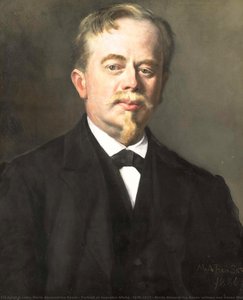
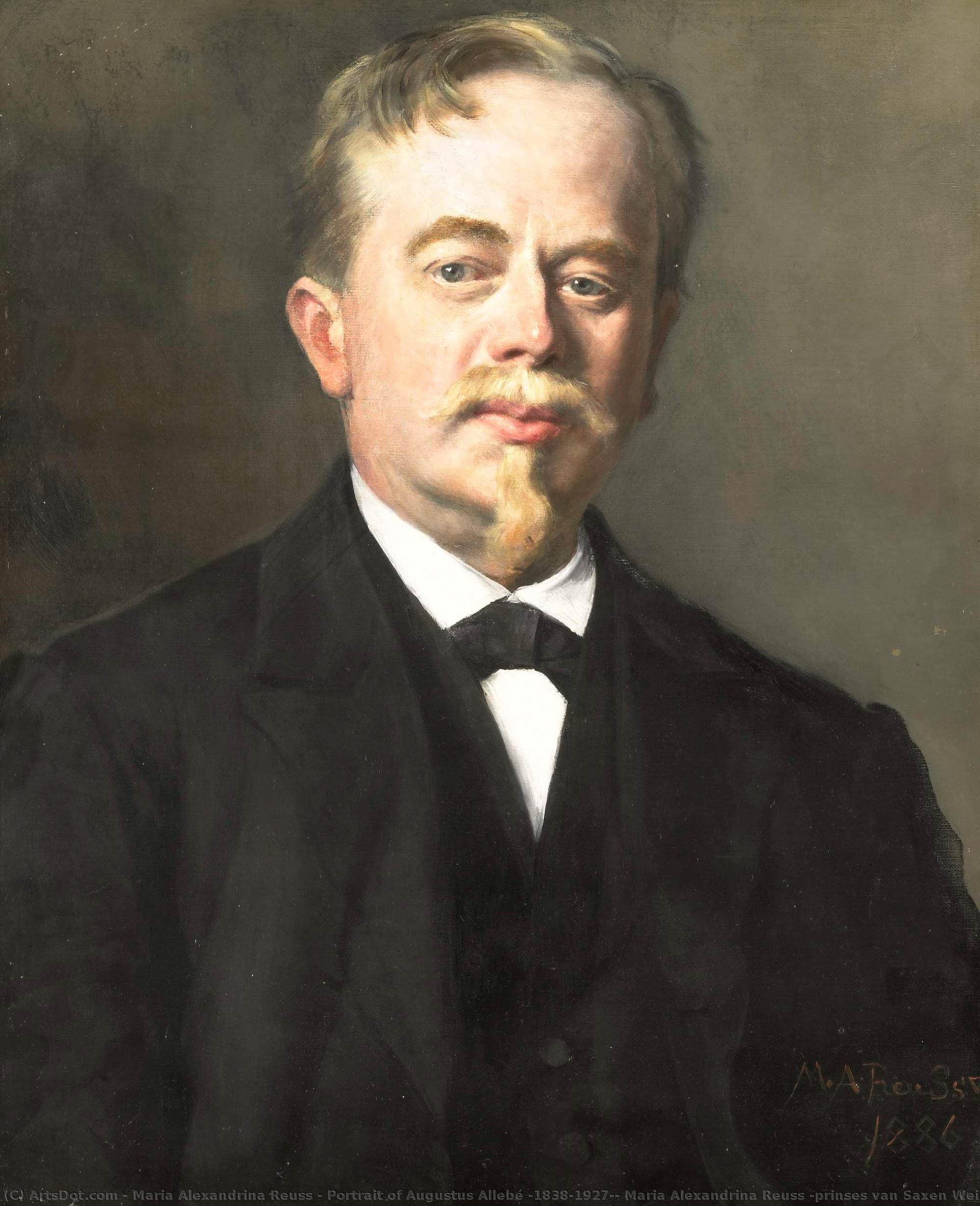
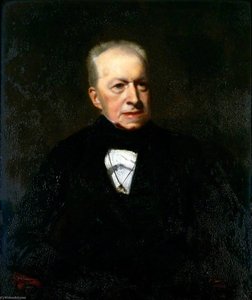
Portrait of Augustus Allebé (1838-1927), Maria Alexandrina Reuss (prinses van Saxen Weimar Eisenbach), 1886
 1886
1886 61.0 x 51.0 cm
 Read More
Giclée / Art Print
Museum-quality giclée or canvas print with fast production and flexible finish options. ( Buy Hand Made Painting Buy Image)




































Pick from our preset sizes that match the artwork's original proportions.

You may enter your own dimensions to fit a specific frame or space. If your selected size does not match the original image's proportions, we will either crop the artwork or extend the image with a mirrored or solid-fill edge. A digital mockup will be sent for your approval before production begins.
Please note that the on-screen preview does not reflect the actual cropping or extension. Only the mockup will accurately show the final composition.
While custom sizes are available, we recommend selecting a dimension from the predefined list to preserve the original proportions.
Worldwide Delivery () in 2 weeks instead of standard 4/5 weeks. (7 September)

Free Worldwide Express Shipping

High-Quality Linen Canvas

Full Shipping Insurance

Customs Tax Refund Guarantee

True Color Matching Guarantee

100-Day Return Policy (Defects Only)

100% Money-Back Guarantee

Bulk Discount Offer
 Glass option is only available in size under 110 CM

Portrait of Augustus Allebé (1838-1927), Maria Alexandrina Reuss (prinses van Saxen Weimar Eisenbach), 1886
Giclée / Art Print
Reproduction Size
-


Total Price
$ 63
Related Artworks







Artist Biography
A Portrait of Aristocratic Grace: The Life and Work of Maria Alexandrina Reuss
Maria Alexandrina Reuss, a princess of Saxen-Weimar-Eisenbach, remains a relatively enigmatic figure in the world of 19th-century art. While not widely known as a prolific painter herself, her significance lies primarily in her role as a patron and subject of artistic endeavor, particularly through her commissioning of portraits that offer glimpses into the lives and aesthetics of European aristocracy. Born into privilege, the details surrounding her early life are scarce; however, her existence is beautifully documented by the works she inspired, most notably the striking portrait painted by an unknown artist in 1886 depicting Augustus Allebé (1838-1927). This single, compelling artwork serves as a cornerstone for understanding her engagement with the artistic currents of her time.The Portrait of Augustus Allebé: A Window into Reuss’s World
Portrait of Augustus Allebé, executed in 1886, is more than just a likeness; it's a testament to the social connections and refined tastes of Maria Alexandrina Reuss. The portrait itself suggests a woman of discerning eye – she chose as her subject Augustus Allebé, a respected Dutch painter known for his genre scenes and portraits that captured the essence of bourgeois life. The fact that she commissioned this work speaks volumes about her appreciation for contemporary art and her desire to be associated with artists of note. The painting’s style, while not overtly flamboyant, displays a clear attention to detail and psychological nuance, hinting at Reuss's preference for realism and character study within the formal constraints of aristocratic portraiture. The composition itself is carefully considered, placing Allebé in a dignified pose that reflects his status as an artist, but also subtly acknowledges the patronage of Princess Reuss.Patronage and Artistic Circles
While information regarding her direct artistic training remains unavailable, it’s reasonable to assume Maria Alexandrina Reuss moved within influential circles where art was not merely decoration, but a vital form of cultural expression. Her position as a princess would have granted her access to leading artists, galleries, and the intellectual debates shaping the aesthetic landscape of the late 19th century. It is likely she actively participated in selecting works for the family collections, influencing the artistic direction of Saxen-Weimar-Eisenbach’s holdings. Her patronage wasn't simply about acquiring beautiful objects; it was a demonstration of power, taste, and an investment in the cultural legacy of her lineage.Historical Significance and Lasting Legacy
Although Maria Alexandrina Reuss did not leave behind a substantial body of work created by her own hand, her importance resides in her role as a conduit for artistic expression and a preserver of cultural heritage. The portrait of Augustus Allebé stands as a poignant reminder of the aristocratic world she inhabited – a world characterized by elegance, refinement, and a deep appreciation for the arts. Her story underscores the often-overlooked contributions of women within noble families who, while not always credited as artists themselves, played crucial roles in shaping artistic trends and supporting the creative endeavors of their time. As such, her legacy continues to resonate through the artworks she championed, offering valuable insights into a fascinating period of European history and the complex interplay between art, power, and patronage.Further Research
- Artworks Database: Explore related paintings at ArtsDot.com.
- Artist Profile: Discover more about Maria Alexandrina Reuss on her dedicated page at ArtsDot.com.