 Preview
 Send
Send Share
Share
 Details

 Download
 Similars
 X-Ray
X-Ray Diaporama
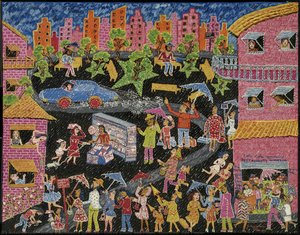
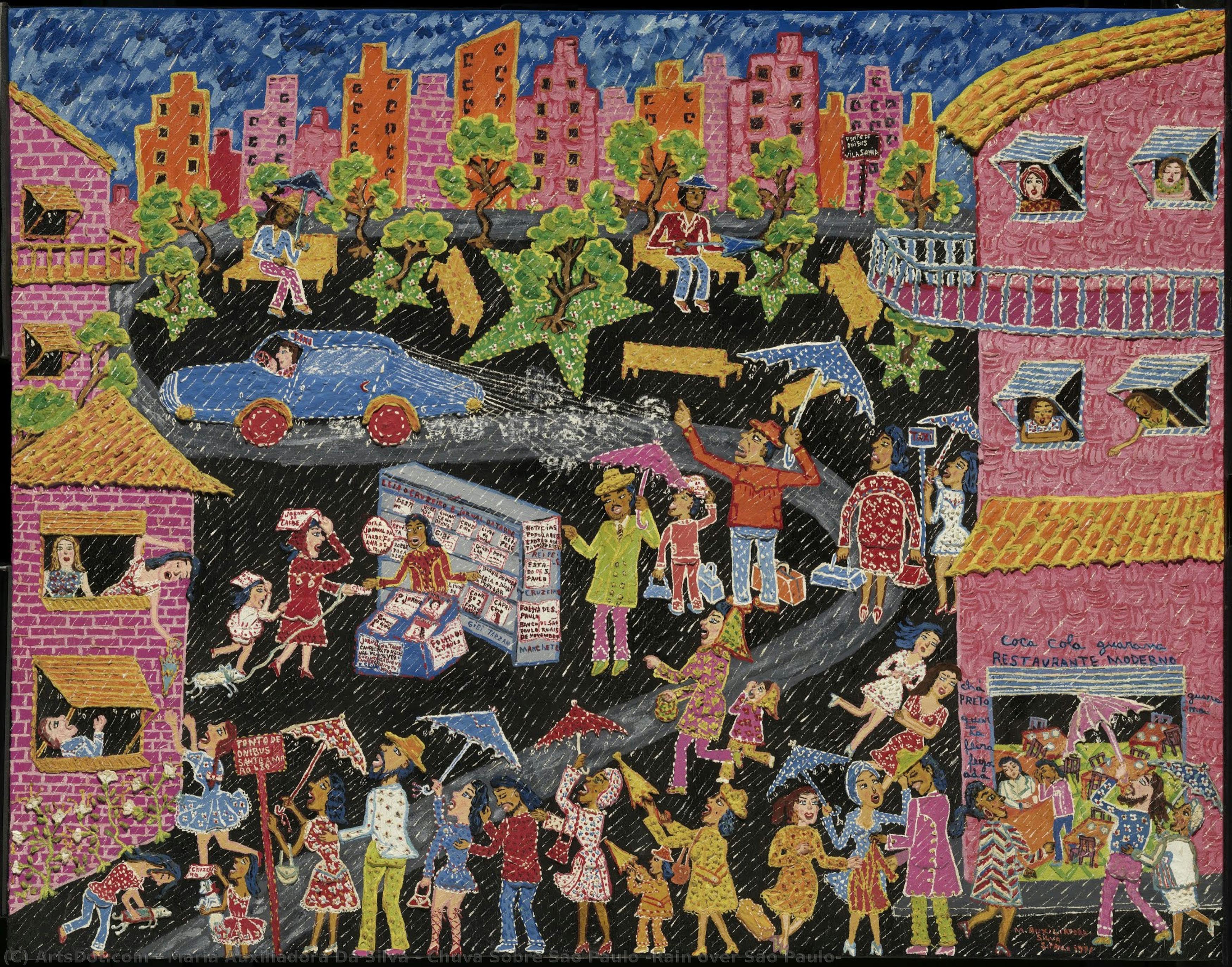
Chuva Sobre São Paulo (Rain over São Paulo)


 Read More
Giclée / Art Print
Museum-quality giclée or canvas print with fast production and flexible finish options. ( Buy Hand Made Painting Buy Image)




P118B $10

P118H $10

P118W $10

P438Z $10

P508JH $12

P508YH $12

P805H $10

P805Z $10

P919BZ $10

P919G $10

P919XJ $10

P959ZH $10

P968JZ $12

W106C $8

W218G $10

W218JH $8

W218Y $10

W307PJ $10

W316G $10

W316PJ $8

W316Y $10

W398PJ $8

W4111J $10

W500HY $15

W500JH $15

W692G $12

W849H $8

W940BG $15

W953PJ $8




Pick from our preset sizes that match the artwork's original proportions.

You may enter your own dimensions to fit a specific frame or space. If your selected size does not match the original image's proportions, we will either crop the artwork or extend the image with a mirrored or solid-fill edge. A digital mockup will be sent for your approval before production begins.
Please note that the on-screen preview does not reflect the actual cropping or extension. Only the mockup will accurately show the final composition.
While custom sizes are available, we recommend selecting a dimension from the predefined list to preserve the original proportions.
Worldwide Delivery () in 2 weeks instead of standard 4/5 weeks. (27 August)

Free Worldwide Express Shipping

High-Quality Linen Canvas

Full Shipping Insurance

Customs Tax Refund Guarantee

True Color Matching Guarantee

60-Day Return Policy (Defects Only)

100% Money-Back Guarantee

Bulk Discount Offer
 Glass option is only available in size under 110 CM

Chuva Sobre São Paulo (Rain over São Paulo)
Giclée / Art Print
Reproduction Size
-


Total Price
$ 63
A Symphony of Resilience in the Heart of São Paulo
To step into Maria Auxiliadora da Silva’s “Chuva Sobre São Paulo” (Rain over São Paulo) is to be swept into a torrential, yet strangely beautiful, urban ballet. Painted in 1971, this masterpiece does not merely observe a storm; it captures the very pulse of Brazilian life during a moment of atmospheric upheaval. The canvas vibrates with the energy of a bustling street scene where the rain has descended upon the city, forcing its inhabitants into a shared experience of navigation and survival. Through her eyes, we see more than just pedestrians with umbrellas; we witness a profound tapestry of human connection, where the chaos of a downpour is tempered by the warmth of community spirit and the rhythmic movement of a metropolis that refuses to be stilled by the elements.
The visual language of the piece is nothing short of hypnotic. Silva, a self-taught visionary, employs an Expressionist approach that prioritizes emotional truth over photographic accuracy. The sky is a dramatic theater of deep blues and verdant greens, heavy with the weight of the storm, which contrasts sharply against the sun-drenched warmth of the clothing and architecture below. This deliberate use of color creates a palpable tension—a visual drama that mirrors the electric energy of São Paulo itself. As your eyes wander across the composition, you encounter a diverse cast of characters: individuals of varying ethnicities and socioeconomic backgrounds, all united by the shared task of traversing the slick, rain-soaked streets. There is a subtle, witty narrative hidden in the details, such as a taxi speeding away from a waiting passenger, reminding us that even in the midst of nature's intensity, the frantic pace of urban life persists.
Texture, Soul, and the Art of Defiance
What truly distinguishes this work for the discerning collector is its extraordinary physical presence. Silva’s technique is deeply tactile, utilizing a thick impasto method that gives the painting a sculptural quality. The layers of acrylic paint are applied with such vigor that the canvas seems to breathe with the movement of the city. In an act of profound personal expression, she even incorporated plaster mixed with her own hair into certain sections of the work, bridging the gap between the artist's physical self and the medium itself. This infusion of organic matter transforms the painting from a mere representation into a relic of lived experience, adding a layer of intimacy that is rare in contemporary urban landscapes.
The historical weight of “Chuva Sobre São Paulo” adds an even deeper layer of meaning for those who appreciate art with a narrative soul. Created during the artist's courageous battle against cancer, the painting serves as a testament to her indomitable spirit. Silva famously described her creative process as "painting my illness," turning her personal struggle into a vibrant celebration of life and light. This sense of defiance is woven into every brushstroke; even as the rain falls heavily upon the figures in the street, there is an underlying sense of optimism and communal strength. For an interior designer or art lover, this piece offers more than just a striking visual focal point; it provides a profound emotional anchor—a reminder that beauty and resilience can be found even in the most turbulent of storms.
Related Artworks
Artist Biography
James Lewis Dine: A Life Engraved in Line and Form
Born in June 1935 in Cincinnati, Ohio, James Dine’s artistic journey began not within the hallowed halls of formal education but amidst the quiet intimacy of his grandparents' basement. This early exposure to woodcuts—a potent blend of German Expressionism and the raw energy of printmaking—proved a pivotal influence, shaping his lifelong fascination with line, repetition, and the inherent beauty of process. Dine’s work isn’t simply about creating images; it’s an exploration of how those images are made, inviting viewers to contemplate the act of creation itself. From these humble beginnings, he embarked on a career that would redefine contemporary art, moving beyond traditional notions of representation and embracing a uniquely democratic approach to visual language.
- Early Influences: The works of Ernst Ludwig Kirchner, Emil Nolde, and Max Beckmann ignited Dine’s passion for printmaking.
- The Judson Gallery: In 1958, he co-founded the Judson Gallery with Claes Oldenburg, Marcus Ratliff, Allan Kaprow, and Bob Whitman, a space that became synonymous with the burgeoning “happenings” movement – performances that blurred the boundaries between art and life.
- The Smiling Workman (1959): This iconic piece, a simple line drawing of a smiling worker, marked a turning point in Dine’s career, establishing his signature style of reductive imagery and challenging conventional notions of artistic subject matter.
A Revolution in Printmaking: From Repetition to Accessibility
Dine's artistic philosophy fundamentally shifted the landscape of printmaking. Rejecting the elitism often associated with fine art prints, he championed a process accessible to all. His work is characterized by an almost obsessive repetition of simple forms—lines, circles, squares—often executed in multiples using techniques like lithography, etching, woodcuts, and letterpress. This deliberate act of duplication wasn’t merely about mass production; it was a conscious effort to democratize art, making it available to a wider audience. He famously stated that he wanted “to make the world more beautiful,” believing that even the simplest image could possess profound aesthetic value.
- Lithography and Etching: Dine’s early training in these techniques provided him with the technical skills necessary to execute his complex, layered prints.
- Gravure and Intaglio Techniques: He masterfully employed gravure and intaglio methods, creating intricate textures and tonal variations within his repetitive designs.
- The “Line” as a Central Theme: Dine’s work is fundamentally about the line—its weight, its direction, its capacity to define form and create rhythm.
Beyond the Print: Sculpture, Photography, and Performance
While printmaking remains at the core of Dine's artistic practice, his creative explorations have consistently expanded beyond the confines of the printed page. He has ventured into sculpture, creating minimalist forms often constructed from simple materials like wood and metal. His photographic work is equally understated, capturing everyday scenes with a directness that belies their inherent beauty. Furthermore, Dine’s involvement in happenings and performance art demonstrated his commitment to engaging directly with audiences, blurring the lines between artist and viewer.
- Sculptural Explorations: His sculptures often reflect the principles of repetition and reduction found in his prints.
- Photography as Observation: Dine’s photographs are characterized by their quiet intimacy and attention to detail, capturing fleeting moments of beauty in the mundane.
- The Performance Artist: He actively participated in happenings, creating immersive experiences that challenged traditional notions of artistic presentation.
A Lasting Legacy: Redefining Contemporary Art
James Dine’s impact on contemporary art is undeniable. By stripping away the complexities and pretension often associated with fine art, he redefined the possibilities of printmaking and encouraged a more democratic approach to visual culture. His work continues to resonate today, inviting viewers to contemplate the relationship between process, form, and meaning. Dine's legacy lies not just in his distinctive aesthetic but also in his unwavering belief that art should be accessible, engaging, and ultimately, beautiful.
Key Works
- The Smiling Workman (1959)
- Various series of repetitive line drawings (e.g., *Lines*, *Circles*)
- Numerous lithographs, etchings, and woodcuts exploring themes of labor, identity, and the everyday.
Exhibitions
Dine’s work has been exhibited extensively throughout his career, including solo shows at major museums and galleries worldwide. Notable exhibitions include retrospectives at the Museum of Modern Art (New York), the Tate Gallery (London), and numerous regional institutions.
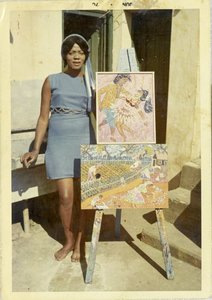
maria auxiliadora da silva
1935 - 1974 , Brazil
Quick Facts
- Artistic Movement Or Style: Happenings, Printmaking
- Artists Or Movements Influenced By This Artist:
- Claes Oldenburg
- Allan Kaprow
- Artists Who Influenced This Artist:
- Paul J. Sachs
- Ture Bengtz
- Date Of Birth: June 16, 1935
- Full Name: James Lewis Dine
- Nationality: American
- Notable Artworks:
- The Smiling Workman
- Cut Cards
- Place Of Birth: Cincinnati, Ohio, USA
Related Articles
25 Masterpieces by David Moreau: The Ultimate Guide to Textured Art
Immerse yourself in the tactile world of David Moreau. Explore our curated list of 25 iconic textured artworks, from heavy impasto to modern abstraction. Find museum-quality reproductions and decor inspiration for collectors. Discover all masterpieces on ArtsDot.com.
The Eloquent Brushstroke: A Historical & Technical Exploration of Texture, Intent & Expression in Painting
Explore the rich history & techniques of impasto painting – from Renaissance masters to Van Gogh's expressive strokes. Discover how artists use texture to convey emotion and create lasting impact. Learn more!
Masterpieces of Emotion: The Top 25 Vincent van Gogh Artworks
Immerse yourself in the vibrant world of Vincent van Gogh. Explore 25 iconic Post-Impressionist masterpieces, from Starry Night to Sunflowers, and discover the stories behind his expressive brushstrokes. Find museum-quality art reproductions at ArtsDot.com. Explore the full collection online.
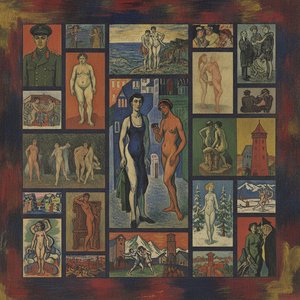
25 Masterpieces by Ernst Ludwig Kirchner: The Soul of German Expressionism
Immerse yourself in the raw emotion of German Expressionism with our curated guide to the top 25 Ernst Ludwig Kirchner masterpieces. Explore iconic works, bold colors, and urban landscapes through museum-quality art reproductions. Discover all masterpieces on ArtsDot.com.