 Preview
 Send
Send Share
Share
 Details

 Download
 Similars
 X-Ray
X-Ray Diaporama
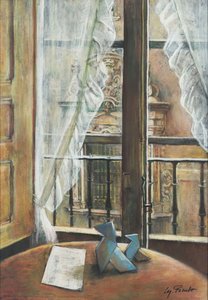
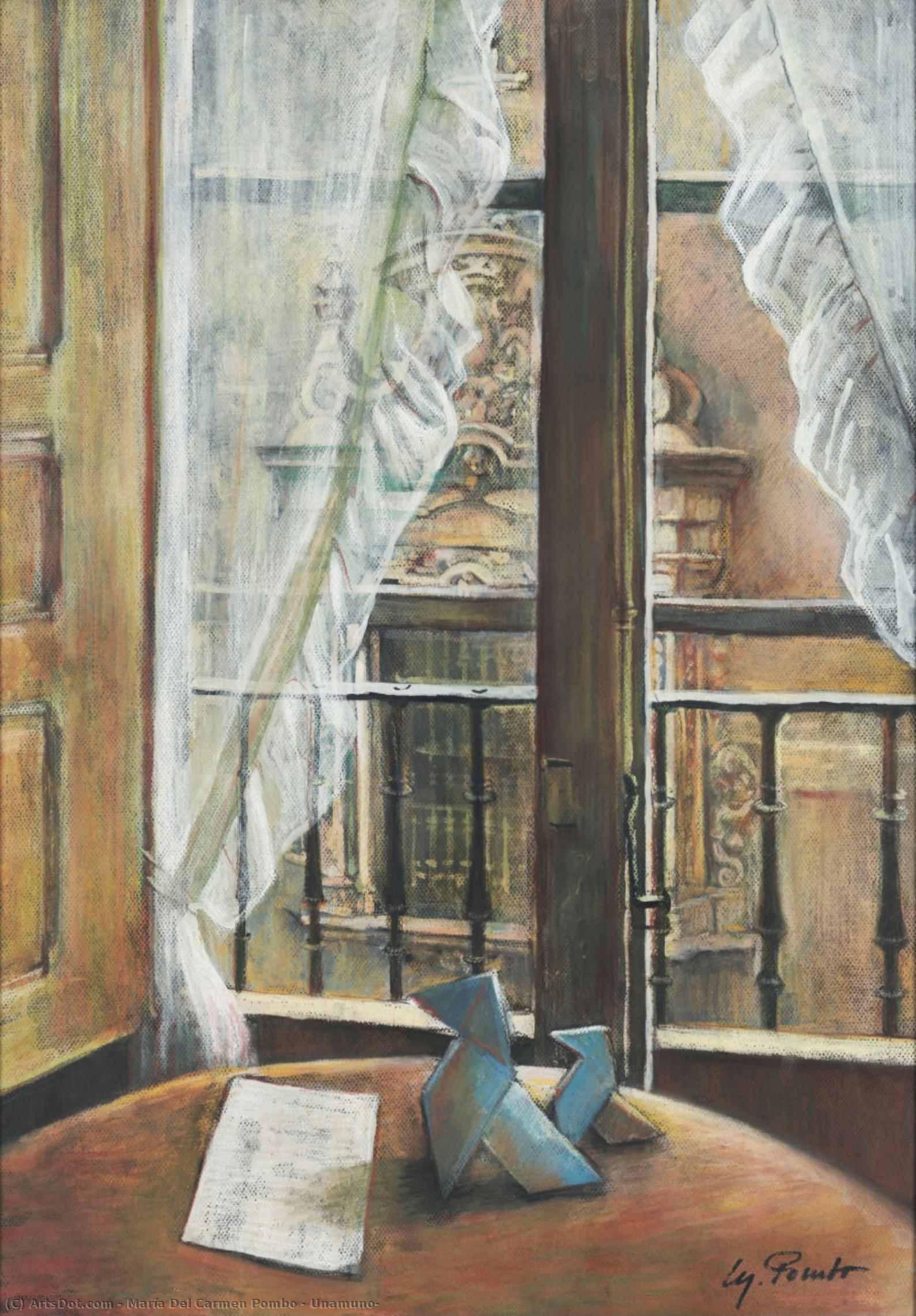
Unamuno
 96.0 x 73.0 cm
 Casa Museo Unamuno
 Read More
Giclée / Art Print
Museum-quality giclée or canvas print with fast production and flexible finish options. ( Buy Hand Made Painting Buy Image)




































Pick from our preset sizes that match the artwork's original proportions.

You may enter your own dimensions to fit a specific frame or space. If your selected size does not match the original image's proportions, we will either crop the artwork or extend the image with a mirrored or solid-fill edge. A digital mockup will be sent for your approval before production begins.
Please note that the on-screen preview does not reflect the actual cropping or extension. Only the mockup will accurately show the final composition.
While custom sizes are available, we recommend selecting a dimension from the predefined list to preserve the original proportions.
Worldwide Delivery () in 2 weeks instead of standard 4/5 weeks. (31 August)

Free Worldwide Express Shipping

High-Quality Linen Canvas

Full Shipping Insurance

Customs Tax Refund Guarantee

True Color Matching Guarantee

60-Day Return Policy (Defects Only)

100% Money-Back Guarantee

Bulk Discount Offer
 Glass option is only available in size under 110 CM

Unamuno
Giclée / Art Print
Reproduction Size
-


Total Price
$ 63
Related Artworks









Artist Biography
A Life Immersed in the Mechanical: The World of María del Carmen Pombo
María del Carmen Pombo, often known as Malocha Pombo, is a Spanish artist whose work offers a uniquely compelling vision of the industrial world. Born in Melilla, Spain, in 1932, her artistic journey has been one of quiet dedication and focused observation, culminating in a body of paintings that celebrate the beauty and complexity of machines. While many artists have explored themes of technology and its impact on society, Pombo distinguishes herself through an almost affectionate portrayal of the mechanical forms themselves – not as symbols of alienation or progress, but as objects worthy of aesthetic contemplation. Her life, rooted in the Spanish landscape yet profoundly shaped by her encounters with industrial spaces, has provided a rich source of inspiration for her distinctive style.The Mirat Factory and Early Influences
Pombo’s artistic trajectory took a defining turn through her connection to the Mirat factory in Salamanca. This wasn't merely a subject matter she stumbled upon; it was an immersive experience that fundamentally altered her perspective. The factory, with its intricate network of gears, pipes, and colossal structures, became her studio, her muse, and ultimately, the core of her artistic expression. She didn’t approach the Mirat as an outsider looking in, but rather as a participant, absorbing the rhythms and textures of industrial life. This deep engagement allowed her to move beyond superficial representations of machinery and capture its inherent dynamism and almost organic quality. It's important to note that this period coincided with significant social and political changes in Spain, yet Pombo’s work remained largely focused on the internal logic and aesthetic qualities of the machines themselves, rather than overt commentary on these broader issues. Her early works already demonstrate a remarkable ability to render complex mechanical forms with precision and sensitivity, hinting at a fascination that would define her career.Development of a Singular Style
Pombo’s style is characterized by a meticulous attention to detail combined with a surprisingly lyrical approach. Her paintings aren't cold or clinical depictions of machinery; they possess a warmth and humanity often associated with more traditional genres like portraiture or landscape painting. She employs a distinctive palette, frequently utilizing muted tones and subtle gradations of color to create depth and atmosphere. The influence of realism is evident in her precise rendering of forms, but she transcends mere imitation through her emphasis on light and shadow, which imbue the machines with a sense of volume and presence. Over time, her work evolved from relatively straightforward depictions of factory interiors to more abstracted compositions that focus on specific mechanical elements – gears, pistons, valves – often isolated against neutral backgrounds. This shift suggests a growing interest in exploring the formal qualities of these objects independent of their functional context. Her paintings are not about what machines do; they are about what machines are.Exhibitions and Recognition
Despite maintaining a relatively low profile throughout much of her career, Pombo has received increasing recognition in recent years. Exhibitions such as ‘Máquinas’ (Machines) and ‘La bella maquinaria de malocha pombo’ (The Beautiful Machinery of Malocha Pombo), both held in Salamanca in 2014, brought her work to a wider audience and established her reputation as a significant contemporary Spanish artist. In 2019, she was honored with membership into the Centro de Estudios Salmantinos, acknowledging her contribution to the cultural life of the region. These accolades are particularly noteworthy given her consistent dedication to a singular artistic vision over decades. Her work resonates not because it follows trends, but because it offers a unique and deeply personal perspective on the world around us. Currently residing in Salamanca, she continues to paint, refining her technique and exploring new facets of her enduring fascination with machines.Historical Significance and Legacy
María del Carmen Pombo occupies a distinctive niche within contemporary art. While artists like Fernand Léger explored the aesthetics of the machine age through Cubist fragmentation and dynamic compositions, Pombo’s approach is markedly different – more contemplative, less overtly political, and deeply rooted in direct observation. Her work challenges conventional notions of beauty by finding it in unexpected places: the intricate workings of industrial machinery. She offers a counterpoint to narratives that often portray technology as alienating or dehumanizing, instead celebrating its ingenuity and aesthetic qualities.- Her paintings serve as a testament to the enduring power of observation.
- Pombo’s work provides a unique perspective on industrial life in Spain.
- She demonstrates that beauty can be found in even the most unexpected subjects.
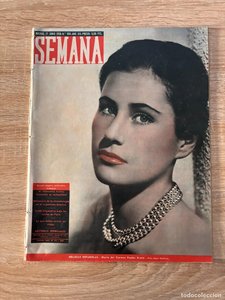
maría del carmen pombo
1932 - , Spain
Quick Facts
- Artistic Movement Or Style: Mechanical art
- Date Of Birth: 1932
- Full Name: María del Carmen Pombo
- Nationality: Spanish
- Notable Artworks: ['Máquinas']
- Place Of Birth: Melilla, Spain