 Preview
 Send
Send Share
Share
 Details

 Download
 Similars
 X-Ray
X-Ray Diaporama
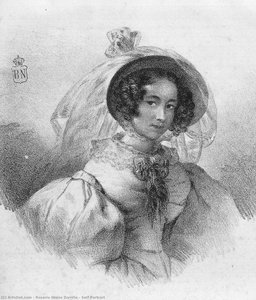
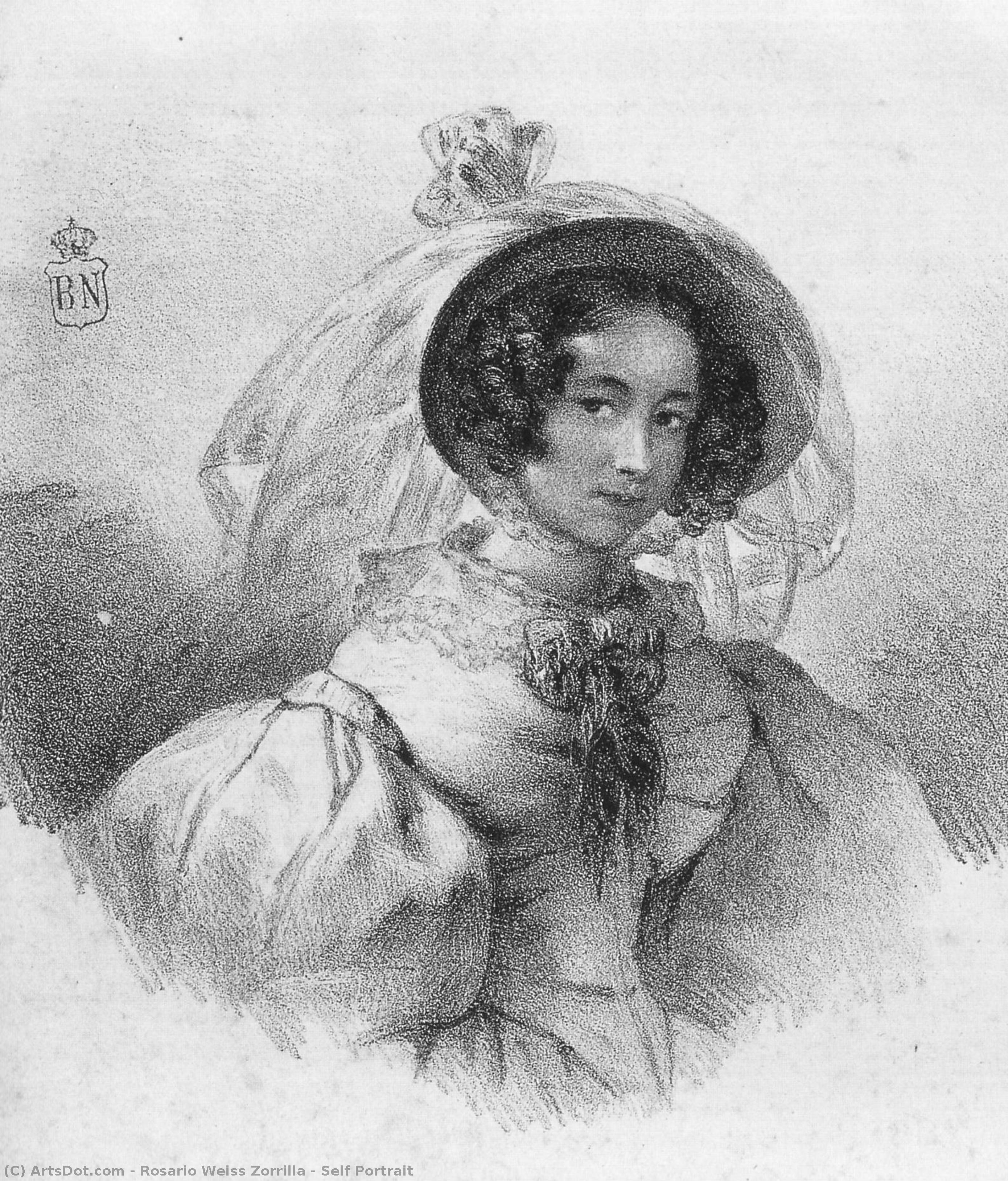
Self Portrait

 Read More
Giclée / Art Print
Museum-quality giclée or canvas print with fast production and flexible finish options. ( Buy Hand Made Painting Buy Image)




































Pick from our preset sizes that match the artwork's original proportions.

You may enter your own dimensions to fit a specific frame or space. If your selected size does not match the original image's proportions, we will either crop the artwork or extend the image with a mirrored or solid-fill edge. A digital mockup will be sent for your approval before production begins.
Please note that the on-screen preview does not reflect the actual cropping or extension. Only the mockup will accurately show the final composition.
While custom sizes are available, we recommend selecting a dimension from the predefined list to preserve the original proportions.
Worldwide Delivery () in 2 weeks instead of standard 4/5 weeks. (26 August)

Free Worldwide Express Shipping

High-Quality Linen Canvas

Full Shipping Insurance

Customs Tax Refund Guarantee

True Color Matching Guarantee

60-Day Return Policy (Defects Only)

100% Money-Back Guarantee

Bulk Discount Offer
 Glass option is only available in size under 110 CM

Self Portrait
Giclée / Art Print
Reproduction Size
-


Total Price
$ 63
Related Artworks

Artist Biography
Maria del Rosario Weiss Zorrilla: A Goddaughter’s Hidden Talent
Maria del Rosario Weiss Zorrilla (2 October 1814 – 31 July 1843) remains a captivating figure in Spanish art history, largely due to the rediscovery of her remarkable talent after decades of being overshadowed. Born in Madrid, she was not merely a painter; she was the goddaughter of Francisco de Goya, a connection that profoundly shaped her life and artistic development. Her story is one of quiet brilliance, nurtured within the walls of a renowned artist’s household, ultimately revealing a sophisticated skill and a unique perspective on 19th-century Spain. Initially attributed to Goya himself – a testament to her undeniable ability – her identity was painstakingly established in 1956 by art historian José López-Rey, solidifying her place as a significant, yet previously unrecognized, artist of her time.A Life Shaped by Observation and Influence
Weiss Zorrilla’s early life was inextricably linked to the tumultuous world surrounding Francisco de Goya during his final years. Her mother, Leocadia Zorrilla, served as Goya's housekeeper from at least 1815, providing a close proximity that allowed young Rosario to observe and learn directly from one of Spain’s most celebrated painters. This wasn’t simply a familial arrangement; it was an intentional artistic apprenticeship. Goya recognized her potential early on, beginning drawing lessons for her as young as seven years old. She studied alongside her brother, Guillermo, and later with the architect Tiburcio Pérez Cuervo, absorbing techniques and developing her own style within a remarkably supportive environment. The circumstances surrounding her father’s identity remain somewhat shrouded in mystery – speculation persists regarding his paternity, fueled by the fact that he never formally acknowledged Rosario. This ambiguity adds another layer of intrigue to her story, suggesting a life lived partially outside conventional familial structures. The move to Bordeaux in 1823, following Goya's exile, proved crucial to her artistic growth. Living within the artist’s circle, she continued her studies under Pierre Lacour, a Parisian art teacher, broadening her exposure to European artistic trends. This period of international exchange undoubtedly influenced her evolving style and technique. Her life was marked by both privilege and hardship; while benefiting from Goya's patronage and instruction, she also faced the challenges of poverty and social constraints imposed upon women artists in that era.The Rediscovered Portraits: A Reflection of a Time
Weiss Zorrilla’s primary focus was portraiture, and her works offer a poignant glimpse into 19th-century Spanish society. Her portraits are characterized by a remarkable sensitivity to detail, capturing not just physical likeness but also subtle expressions of personality and emotion. She skillfully employed light and shadow, creating a sense of depth and realism that belies the relatively simple materials she often used. Many of her subjects were members of the aristocracy and gentry – including prominent figures like Ramón Mesonero Romanos, Guillermo Weiss, and the Marques de Benalúa – reflecting her position within Goya’s social circle. Her most famous work, “Una dama de Burdeos” (A Lady of Bordeaux), exemplifies this talent, showcasing a delicate beauty and an intimate understanding of human expression. The discovery of over seventy drawings attributed to her at the Hispanic Society of America in 1956 was a watershed moment for art historians. Initially, these works had been mistakenly credited to Goya, highlighting a common bias against female artists during that period. López-Rey’s meticulous research conclusively proved their authenticity, rightfully recognizing Weiss Zorrilla as a talented and independent artist in her own right.Technique and Artistic Style
Weiss Zorrilla's artistic style is often described as Romantic, though with a distinctly Spanish sensibility. Her work demonstrates an acute observation of nature and human form, combined with a masterful command of line and shading. She was particularly adept at capturing the nuances of expression – a skill evident in her portraits’ ability to convey emotion and personality. Her use of color is restrained yet effective, creating a harmonious balance within her compositions. While she drew inspiration from Goya's techniques—particularly his dramatic use of light and shadow—she developed her own unique voice, characterized by a quiet elegance and an understated emotional depth. Her work stands as a testament to the power of observation, discipline, and a profound connection to her subject matter.A Legacy Reclaimed
Maria del Rosario Weiss Zorrilla’s story serves as a powerful reminder of the biases that have historically marginalized female artists. For decades, her talent was obscured by assumptions about artistic authorship and societal expectations. Her rediscovery in the mid-20th century not only corrected a historical injustice but also brought to light a remarkable artist whose work deserves recognition and appreciation. Today, her portraits are exhibited in museums across Spain, offering viewers a rare opportunity to connect with the life and art of this captivating figure from 19th-century Madrid – a goddaughter who ultimately became an independent voice in Spanish painting.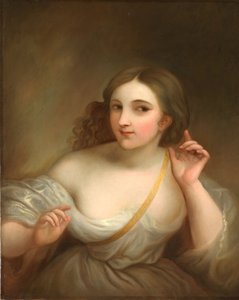
maria del rosario weiss zorrilla
1814 - 1843 , Spain
Quick Facts
- Artistic Movement Or Style: Romanticism
- Artists Or Movements Influenced By This Artist: ['Goyesque style']
- Artists Who Influenced This Artist: ['Francisco de Goya']
- Date Of Birth: October 2, 1814
- Date Of Death: July 31, 1843
- Full Name: Maria del Rosario Weiss Zorrilla
- Nationality: Spanish
- Notable Artworks:
- Self Portrait
- Alegoría de la atención
- Place Of Birth: Madrid, Spain