 Preview
 Send
Send Share
Share
 Details

 Download
 Similars
 X-Ray
X-Ray Diaporama
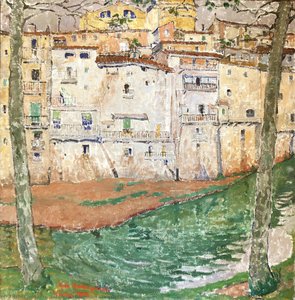
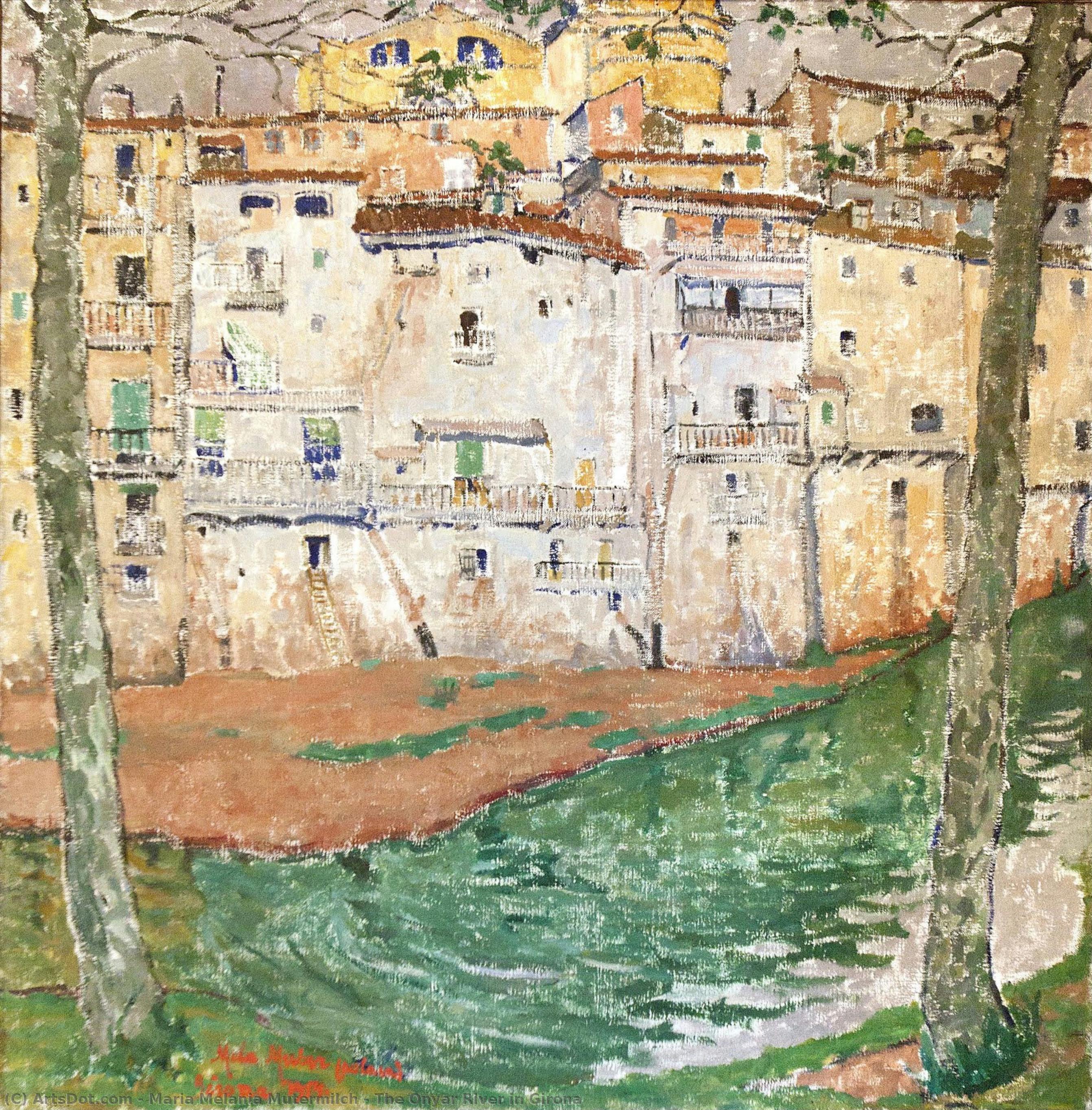
The Onyar River in Girona
 Oil On Canvas
- WallArt
 Modern
 100.0 x 100.0 cm
 Girona Art Museum
 Read More
Giclée / Art Print
Museum-quality giclée or canvas print with fast production and flexible finish options. ( Buy Hand Made Painting Buy Image)




P118B $10

P118H $10

P118W $10

P438Z $10

P508JH $12

P508YH $12

P805H $10

P805Z $10

P919BZ $10

P919G $10

P919XJ $10

P959ZH $10

P968JZ $12

W106C $8

W218G $10

W218JH $8

W218Y $10

W307PJ $10

W316G $10

W316PJ $8

W316Y $10

W398PJ $8

W4111J $10

W500HY $15

W500JH $15

W692G $12

W849H $8

W940BG $15

W953PJ $8




Pick from our preset sizes that match the artwork's original proportions.

You may enter your own dimensions to fit a specific frame or space. If your selected size does not match the original image's proportions, we will either crop the artwork or extend the image with a mirrored or solid-fill edge. A digital mockup will be sent for your approval before production begins.
Please note that the on-screen preview does not reflect the actual cropping or extension. Only the mockup will accurately show the final composition.
While custom sizes are available, we recommend selecting a dimension from the predefined list to preserve the original proportions.
Worldwide Delivery () in 2 weeks instead of standard 4/5 weeks. (19 August)

Free Worldwide Express Shipping

High-Quality Linen Canvas

Full Shipping Insurance

Customs Tax Refund Guarantee

True Color Matching Guarantee

60-Day Return Policy (Defects Only)

100% Money-Back Guarantee

Bulk Discount Offer
 Glass option is only available in size under 110 CM

The Onyar River in Girona
Giclée / Art Print
Reproduction Size
-


Total Price
$ 63
Collectible Description
A Vision of Girona: The Soul of the Onyar River
In the evocative canvas of The Onyar River in Girona, we are invited into a world where history and atmosphere coalesce through the masterful lens of Maria Melania Mutermilch. This piece is far more than a mere landscape; it is a profound meditation on the essence of a city. The painting captures the timeless charm of Girona, presenting the winding Onyar River not just as a body of water, but as the lifeblood that flows through the heart of its ancient architecture. As the eye wanders across the composition, one encounters a tapestry of Mediterranean-style buildings, their varied heights and textures suggesting centuries of lived experience. The presence of small, scattered figures along the waterfront breathes a rhythmic vitality into the scene, transforming a static view into a living, breathing moment of daily existence.
The artist’s technique serves as a bridge between Naturalism and Post-Impressionism, utilizing a palette that feels both grounded in reality and elevated by emotion. Mutermilch employs strong, purposeful brushstrokes that lend a tactile quality to the stone facades and the shimmering surface of the river. There is a deliberate departure from literal representation; instead, she seeks to capture the "essence of life." This approach allows the light to play across the balconies and terraces, creating a sense of warmth and nostalgia that resonates deeply with the viewer. For the collector or interior designer, this work offers a sophisticated interplay of color and form, making it an ideal centerpiece for spaces that value depth, character, and a connection to European heritage.
Historical Resonance and Artistic Legacy
To understand the emotional weight of this work, one must consider the unique journey of its creator. Born in Warsaw and later finding her artistic home in France, Maria Melania Mutermilch brought a cosmopolitan sensitivity to her depictions of local landscapes. Painted during a period when she was deeply immersed in the vibrant art scenes of Barcelona and Girona, this work reflects a time of intense creative exploration. The piece was part of a significant exhibition at the Sala Athenea, where her personal visions of the city were celebrated for their ability to transcend mere documentation. By stripping away the unnecessary details of the physical world, Mutermilch focuses on the spiritual imprint left by the passage of time upon the city's architecture.
For those seeking to adorn a home or gallery with a high-quality reproduction, this painting offers an unparalleled opportunity to possess a fragment of art history. It is a work that invites contemplation, prompting the viewer to slow down and appreciate the quiet beauty found in the intersection of nature and human civilization. Whether placed in a sunlit study or a grand living area, The Onyar River in Girona acts as a window into a bygone era, providing an enduring sense of peace, cultural richness, and aesthetic elegance.
Related Artworks

Artist Biography
A Life Between Two Worlds: The Journey of Maria Melania Mutermilch
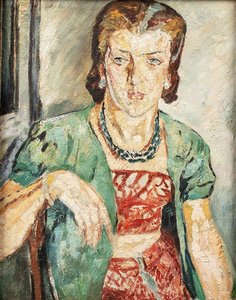
The story of Maria Melania Mutermilches, often known by her evocative name Mela Muter, is a profound narrative of resilience, movement, and artistic evolution. Born in Warsaw, Poland, in 1876, her early years were shaped by the cultural richness of a city that would later serve as her foundational roots. However, it was her departure for Paris in 1901, at the age of twenty-five, that truly ignited her creative spirit. This migration from the heart of Poland to the epicenter of the art world allowed her to emerge not just as an observer, but as a pioneer. As the first professional Jewish painter in Poland, she carried with her a unique cultural identity that would eventually blend seamlessly with the avant-garde currents of France.
Her life was marked by significant historical shifts, most notably the turbulence of the twentieth century. The onset of World War II forced her to flee the Nazi occupation of Paris, seeking refuge in the relative safety of Avignon. This period of displacement and uncertainty added a layer of depth and perhaps a certain poignant gravity to her perspective. Upon the war's conclusion, she returned to her beloved Paris, where she continued to reside and create until her passing in 1967. Her journey through the decades reflects a life lived amidst the most transformative eras of modern history, a testament to the enduring strength of the human spirit and the artist's need to find beauty even in times of profound upheaval.
The Brushstroke of Naturalism and Impressionist Light
In terms of her technical mastery, Mutermilch’s oeuvre represents a captivating dialogue between Naturalism and Post-Impressionism. Her early practice was deeply rooted in the naturalistic tradition, where she utilized vivid hues and vigorous, strong brushstrokes to capture the essence of her subjects. There is an undeniable vitality in her application of paint, a tactile quality that brings her compositions to life. As her career matured, she began to absorb the radical energies of Fauvism and Expressionism, allowing her work to transcend mere representation and move toward a more emotive, subjective interpretation of reality.
Her subject matter was as diverse as her influences, ranging from the quiet intimacy of still-life compositions to the sweeping grandeur of landscapes. She possessed a remarkable ability to find the extraordinary within the ordinary, often focusing on scenes of everyday life that resonated with universal human experiences. Her work frequently explored:
- Urban Landscapes: Capturing the rhythmic pulse and unique perspectives of city life, such as her notable depiction of The Onyar River in Girona.
- Domestic Realism: Highlighting the dignity of labor and daily routines, exemplified by the evocative Les Repasseuses (The Washerwomen).
- Atmospheric Nature: Using light and color to convey the changing moods of the natural world through landscapes that reflect her evolving style.
A Lasting Legacy in the Halls of Art History
The historical significance of Maria Melania Mutermilch extends far beyond the borders of her canvases. She stands as a monumental figure for her role in breaking barriers, serving as a trailblazer for Jewish artists within the Polish and French art scenes. Her ability to navigate and integrate into the complex layers of the Parisian art world—eventually receiving French citizenship in 1927—demonstrates her profound impact on the cultural fabric of Europe.
Today, her artistic contributions are preserved in some of the most prestigious institutions in the world, ensuring that her unique vision continues to resonate with new generations. Her works can be found within the collections of:
- The Musée d'Orsay in Paris, a testament to her place within the lineage of great modern masters.
- The Girona Art Museum, where her explorations of light and landscape continue to inspire.
Through her mastery of color, her emotional depth, and her courageous navigation of a changing world, Mela Muter remains an essential figure for art historians and lovers alike. Her legacy is not merely found in the museums that house her paintings, but in the very way she taught us to see the beauty, the struggle, and the enduring light of the human condition.
maria melania mutermilch
1876 - 1967 , Poland
Quick Facts
- Artistic Movement Or Style: Portraiture, Still Life
- Artists Or Movements Influenced By This Artist:
- Augustus John
- Japanese art
- Artists Who Influenced This Artist:
- Frederick Brown
- Henry Tonks
- Auguste Rodin
- Date Of Birth: June 22, 1876
- Date Of Death: September 18, 1939
- Full Name: Gwen John
- Nationality: Welsh
- Notable Artworks:
- A Portrait of an Artist
- Charlotte
- Place Of Birth: Haverfordwest, Wales
Related Articles
Post-Impressionism's 10 Defining Masterpieces: Art for Your Home |
Journey through Post-Impressionism's 10 defining masterpieces – Van Gogh, Monet & more. Explore iconic paintings, art history & find museum-quality reproductions for your home at . Discover all masterpieces online!
Impressionist Landscapes: 10 Masterpieces for Your Home | ArtsDot
Journey through 10 iconic Impressionist landscapes by Monet, Renoir & Degas. Explore the history, techniques & emotions behind these masterpieces. Find museum-quality reproductions for your home at ArtsDot.com – where art comes to life! Discover all masterpieces on ArtsDot.com
Impressionistic Realism's Finest: 10 Masterpieces for Your Home | ArtsDot
Journey through Impressionistic Realism with 10 iconic masterpieces by Monet, Renoir & Van Gogh. Explore art history, techniques & find museum-quality reproductions for your home at ArtsDot.com. Discover all masterpieces online!
Flowing Narratives: Rivers in Painting – A Historical Exploration
Explore the rich history of rivers in painting! Discover masterpieces from ancient times to Impressionism & beyond. Learn about symbolism, artists like Monet & Daubigny, and find your perfect serene artwork at ArtsDot.
Henri Moret: Capturing the Essence of Brittany's Light – A Study in Post-Impressionist Landscape Painting
Explore the captivating landscapes of Henri Moret, a master of Post-Impressionism. Discover his unique style, key works, and legacy in our expert guide. Learn about collecting Moret's art & its investment potential.