 Preview
 Send
Send Share
Share
 Details

 Download
 Similars
 X-Ray
X-Ray Diaporama
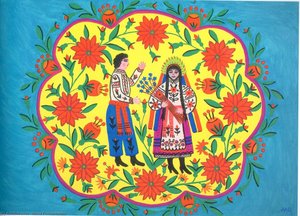
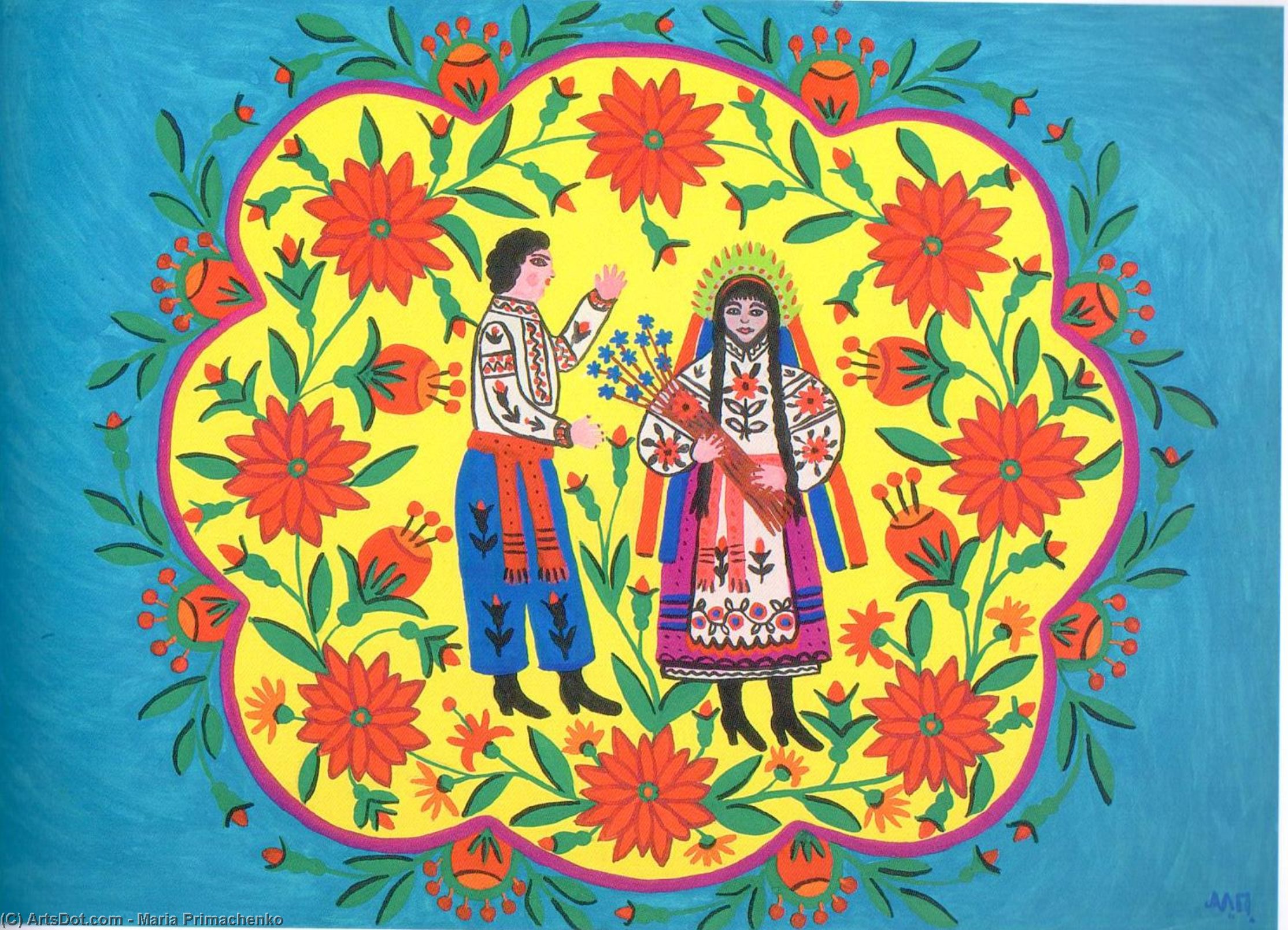
Flax Blooms and a Cossack Goes to a Girl
 Acrylic On Canvas
- WallArt
- Folk Art
 1982
1982- Modern
 61.0 x 85.0 cm
 Read More
Giclée / Art Print
Museum-quality giclée or canvas print with fast production and flexible finish options. ( Buy Hand Made Painting Buy Image)




P118B $10

P118H $10

P118W $10

P438Z $10

P508JH $12

P508YH $12

P805H $10

P805Z $10

P919BZ $10

P919G $10

P919XJ $10

P959ZH $10

P968JZ $12

W106C $8

W218G $10

W218JH $8

W218Y $10

W307PJ $10

W316G $10

W316PJ $8

W316Y $10

W398PJ $8

W4111J $10

W500HY $15

W500JH $15

W692G $12

W849H $8

W940BG $15

W953PJ $8




Pick from our preset sizes that match the artwork's original proportions.

You may enter your own dimensions to fit a specific frame or space. If your selected size does not match the original image's proportions, we will either crop the artwork or extend the image with a mirrored or solid-fill edge. A digital mockup will be sent for your approval before production begins.
Please note that the on-screen preview does not reflect the actual cropping or extension. Only the mockup will accurately show the final composition.
While custom sizes are available, we recommend selecting a dimension from the predefined list to preserve the original proportions.
Worldwide Delivery () in 2 weeks instead of standard 4/5 weeks. (24 August)

Free Worldwide Express Shipping

High-Quality Linen Canvas

Full Shipping Insurance

Customs Tax Refund Guarantee

True Color Matching Guarantee

60-Day Return Policy (Defects Only)

100% Money-Back Guarantee

Bulk Discount Offer
 Glass option is only available in size under 110 CM

Flax Blooms and a Cossack Goes to a Girl
Giclée / Art Print
Reproduction Size
-


Total Price
$ 63
Collectible Description
A Vision of Ukrainian Heritage
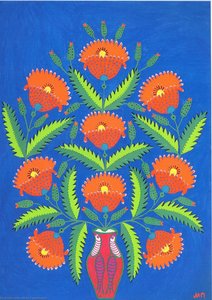
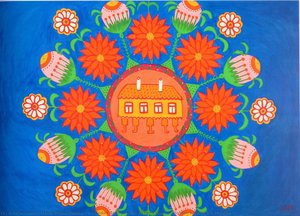
In the enchanting realm of Maria Primachenko’s artistry, the boundaries between reality and folklore dissolve into a vibrant tapestry of color and cultural memory. Her masterpiece, Flax Blooms and a Cossack Goes to a Girl, serves as a breathtaking window into the soul of Ukraine. At first glance, the viewer is swept up in a whirlwind of saturated hues and whimsical forms that evoke the joyous spirit of a traditional celebration. The painting centers on a tender moment between a couple adorned in exquisite traditional attire, framed within a lush, circular wreath of flora. This composition does not merely depict a scene; it encapsulates an entire way of life, where every petal and every stitch of embroidery tells a story of lineage, love, and the enduring strength of folk traditions.
The style of this work is a masterful expression of Naive Art, deeply rooted in the aesthetic language of pysanky—the intricate Ukrainian Easter egg decorations—and the rhythmic patterns of vyshyvanka embroidery. Primachenko eschews the complexities of three-dimensional perspective in favor of a captivating two-dimensionality. By utilizing bold, clearly defined outlines and flat blocks of brilliant color, she creates a sense of graphic solidity that is both modern and ancient. The technique, likely achieved through the smooth application of gouache or acrylic, allows for a luminous finish where the light seems to emanate from within the pigments themselves. There are no harsh shadows here; instead, an even, diffused glow bathes the figures, lending the piece a dreamlike, ethereal quality that feels as though it has emerged from a beautifully illustrated fairy tale.
Symbolism and Emotional Resonance
Beyond its decorative splendor, the artwork is a profound vessel of symbolism. The central floral arrangement is far more than an ornamental border; it represents fertility, abundance, and the cyclical nature of life. The flax blooms, specifically mentioned in the title, serve as a poignant nod to the agricultural roots of the Ukrainian landscape, symbolizing purity and the hardworking spirit of the peasantry. The figures of the Cossack and the girl are not merely characters but archetypes of cultural identity, embodying the romanticized ideals of bravery, devotion, and the preservation of heritage. Every organic shape and swirling vine contributes to a sense of cosmic harmony, suggesting that human love is inextricably linked to the flourishing of the natural world.
For the discerning collector or interior designer, this painting offers much more than visual appeal; it provides an emotional anchor for a space. Its exuberant palette can breathe life into a contemporary room, acting as a focal point of warmth and joy. Whether placed in a curated gallery setting or used to add a touch of soulful character to a sophisticated living area, the piece invites contemplation and conversation. It is a celebration of resilience—a reminder that even through periods of isolation or hardship, the beauty of one's roots can bloom with unparalleled brilliance. Owning a reproduction of such a significant work allows one to bring a fragment of this timeless Ukrainian magic into the modern home, fostering an atmosphere of enchantment and cultural depth.
Related Artworks
Artist Biography
A Life Rooted in the Ukrainian Soil
Maria Aksentievna Primachenko, born in the small village of Bolotnya near Kyiv in 1908, emerged as one of Ukraine’s most celebrated and distinctive artists—a true visionary whose work transcends categorization. Her life was deeply interwoven with the rhythms of rural existence, a world steeped in ancient folklore, vibrant traditions, and an intimate connection to nature. From a young age, Maria's path diverged from conventional expectations; contracting polio as a child confined her indoors for extended periods, yet this isolation proved unexpectedly fertile ground for artistic blossoming. Her mother and grandmother, skilled embroiderers, imparted the intricate techniques and symbolic language of Ukrainian folk art—a heritage that would become the bedrock of her unique style. These early lessons weren’t merely technical; they were a transmission of cultural memory, a way of seeing the world imbued with meaning and magic. It was in these formative years, surrounded by the colorful threads and age-old patterns, that Maria began to develop an extraordinary visual vocabulary.The Naive Revelation: A Style Unbound
Primachenko’s art is often described as “naive,” a term that can be deceptively limiting. While she received no formal artistic training, her work possesses a profound sophistication—a raw, untamed energy coupled with a deep understanding of composition and color. In the 1930s, after being discovered by artist Tetiana Floru, Maria joined the Kyiv Cooperative Embroidery Association, where her talent quickly became apparent. This led to an invitation to participate in experimental workshops at the Kyiv Museum of Ukrainian Art, marking a pivotal moment in her artistic journey. It was here that she began to translate the motifs and techniques of embroidery into paintings—large-scale canvases teeming with fantastical creatures, vibrant flowers, and scenes of everyday life reimagined through a uniquely personal lens. Her subjects weren’t drawn from observation alone; they sprang from dreams, memories, and a deep wellspring of imagination. Lions with human faces, birds engaged in playful courtship rituals, horses adorned with intricate patterns—these were not mere representations but embodiments of hopes, fears, and the enduring spirit of Ukraine.Symbolism Woven into Every Brushstroke
The power of Primachenko’s art lies not only in its visual exuberance but also in its rich symbolism. Her paintings are replete with motifs drawn from Ukrainian folklore—ancient sun wheels representing life and renewal, birds symbolizing freedom and peace, and horses acting as protectors against evil spirits. These symbols weren't consciously deployed as a form of coded messaging; rather, they emerged organically from her cultural background and intuitive understanding of the natural world. The animals in her paintings often take on human characteristics—engaging in weddings, birthdays, and other social events—blurring the boundaries between the animal kingdom and the human realm. This anthropomorphism isn’t whimsical but reflects a deep respect for all living creatures and a belief in their inherent dignity. Her use of color is equally significant—bold, saturated hues that evoke joy, vitality, and a sense of otherworldly beauty. The layering of patterns and textures creates a dynamic visual surface that draws the viewer into her fantastical world.Recognition and Enduring Legacy
Maria Primachenko’s talent didn't go unnoticed. In 1937, her work was exhibited at the Paris World Fair, where it captivated audiences—and even earned the admiration of Pablo Picasso, who famously declared that she could have become more famous than he had if she had lived in France. She received a gold medal at the exhibition and gained international recognition for her unique style. Despite facing periods of hardship and political upheaval, Primachenko continued to paint throughout her life, creating over 800 works that celebrate the beauty and resilience of Ukraine. Her art became a symbol of national identity—a testament to the enduring power of folk traditions and the human spirit. Today, Maria Primachenko is revered as one of Ukraine’s most important artists, with her likeness appearing on stamps and coinage. The recent attacks on Ivankiv Historical and Local History Museum, which housed many of her paintings, have only served to underscore the importance of preserving her legacy—a cultural treasure that embodies the heart and soul of a nation.A Call for Peace: Primachenko in the Modern World
In the wake of the 2022 Russian invasion of Ukraine, Maria Primachenko’s art has taken on new resonance. Her vibrant paintings, often depicting scenes of harmony between humans and animals, have become powerful symbols of peace and resistance. The destruction of some of her works during the attacks on Ivankiv served as a stark reminder of the fragility of cultural heritage in times of conflict. However, it also sparked a renewed appreciation for her art—a testament to its enduring power and universal message. Primachenko’s paintings are not merely aesthetic objects; they are expressions of hope, resilience, and a deep love for Ukraine. Her legacy continues to inspire artists and audiences around the world, reminding us of the importance of preserving cultural traditions and celebrating the beauty of human creativity in the face of adversity. Her work stands as a vibrant testament to the enduring power of art—a beacon of hope in a world often overshadowed by darkness.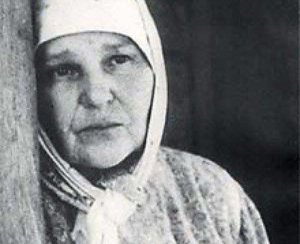
maria primachenko
1908 - 1997 , Ukraine
Quick Facts
- Artistic Movement Or Style: Naive art, Folk art
- Date Of Birth: 1908
- Date Of Death: 1997
- Full Name: Maria Aksentievna Primachenko
- Nationality: Ukrainian
- Notable Artworks:
- My Flowers To Those Who Love Peace
- Ukrainian Wedding
- Vania Has Brided a Serpent
- Place Of Birth: Kyiv Oblast, Ukraine
Related Articles
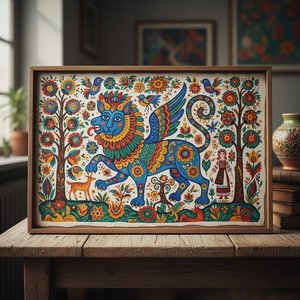
Maria Primachenko: A Legacy of Ukrainian Folk Art & Naive Expression
Discover the captivating world of Maria Primachenko, Ukraine's celebrated naive artist. Explore her vibrant paintings, unique style, and enduring legacy with ArtsDot – your source for authentic art insights & reproductions.
Beyond the Guest Book: Unique Wedding Keepsakes Through Custom Artwork
Elevate your wedding memories with unique custom artwork! Discover personalized paintings & prints that capture the magic of your special day. Expert guidance, premium quality, lasting keepsakes.

Love on Canvas: Choosing the Perfect Artistic Style for Your Wedding Portrait
Discover the perfect artistic style for your wedding portrait! Explore realism, impressionism & more. Commission a timeless heirloom with expert guidance. Learn from .
Beyond Photographs: Commissioning Bespoke Paintings of Wedding Venues for Unforgettable Keepsakes
Transform your wedding venue into timeless art! Discover the beauty of bespoke paintings & commissions with 's expert artists. Create a unique, luxurious keepsake.
From Snapshot to Masterpiece: Transforming Wedding Photos into Timeless Oil Paintings
Transform cherished wedding photos into timeless oil paintings! Expert artists at create bespoke portraits & heirloom art. Discover the process, styles & lasting value.