 Preview
 Send
Send Share
Share
 Details

 Download
 Similars
 X-Ray
X-Ray Diaporama
 Stats
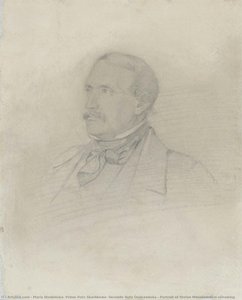
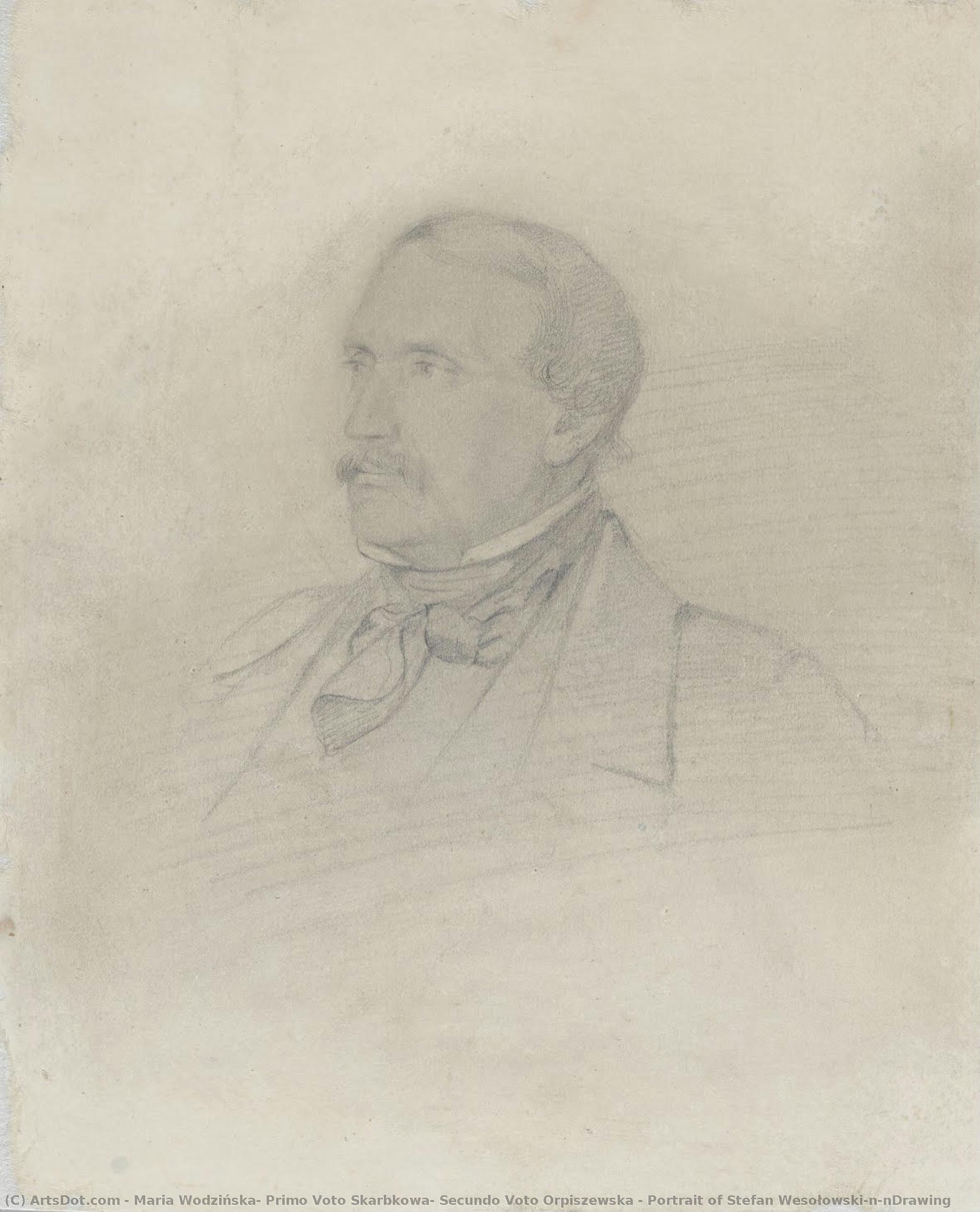
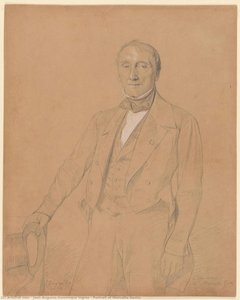
StatsPortrait of Stefan Wesołowski\n\nDrawing

 Read More
Giclée / Art Print
Museum-quality giclée or canvas print with fast production and flexible finish options. ( Buy Hand Made Painting Switch to Digital Image)




































Pick from our preset sizes that match the artwork's original proportions.

You may enter your own dimensions to fit a specific frame or space. If your selected size does not match the original image's proportions, we will either crop the artwork or extend the image with a mirrored or solid-fill edge. A digital mockup will be sent for your approval before production begins.
Please note that the on-screen preview does not reflect the actual cropping or extension. Only the mockup will accurately show the final composition.
While custom sizes are available, we recommend selecting a dimension from the predefined list to preserve the original proportions.
Worldwide Delivery () in 2 weeks instead of standard 4/5 weeks. (9 September)

Free Worldwide Express Shipping

High-Quality Linen Canvas

Full Shipping Insurance

Customs Tax Refund Guarantee

True Color Matching Guarantee

100-Day Return Policy (Defects Only)

100% Money-Back Guarantee

Bulk Discount Offer
 Glass option is only available in size under 110 CM

Portrait of Stefan Wesołowski\n\nDrawing
Giclée / Art Print
Reproduction Size
-


Total Price
$ 63
Related Artworks






Artist Biography
A Life Woven in Melody and Color
Maria Wodzińska, a name that resonates with the elegance of the nineteenth-century Polish aristocracy, lived a life where the boundaries between musical harmony and visual artistry were perpetually blurred. Born in Dresden, Germany, in 1819, she was raised within a world of profound cultural significance, a setting that would later shape her sensitive approach to portraiture. While history often remembers her through the lens of her romantic entanglement with the legendary composer Frédéric Chopin, Wodzińska was far more than a mere figure in a musical biography; she was a disciplined creator whose artistic sensibilities were forged in the prestigious halls of the Geneva Academy and under the tutelage of the great pianist John Field.
Her early years were marked by a dual education in sound and sight. The rhythmic precision required for her piano studies undoubtedly translated into the delicate, controlled brushstrokes that would define her later works. As she moved through the high society of Europe, her presence was noted not just for her beauty—often described as having a Mediterranean allure with dark, expressive eyes—but for an intellectual and artistic depth that commanded respect. This period of her life, characterized by movement between Germany, Switzerland, and Poland, allowed her to absorb the diverse currents of Romanticism, blending the emotional intensity of the era with a refined, classical grace.
The Art of the Soul: Portraiture and Presence
Wodzińska’s artistic output found its most profound expression in the genre of portraiture. She possessed a rare ability to look beyond the surface of her subjects, seeking instead to capture the psychological essence and the quiet, internal movements of the human spirit. Her technique was characterized by a masterful use of soft pastel hues and a light, ethereal touch that lent her subjects an air of timelessness. This approach allowed her to document the Polish nobility and her personal acquaintances with a level of intimacy that felt both respectful and deeply observant.
The most enduring testament to her talent remains her 1835 portrait of Frédéric Chopin. Created during a pivotal moment in their lives, shortly before his departure from her company, the work is celebrated for its remarkable ability to convey peace amidst underlying melancholy. Critics have often compared its emotional resonance to the works of Delacroix, noting how Wodzińska captured the composer in a state of relaxed pensiveness. In this single piece, she achieved the ultimate goal of Romantic portraiture: the manifestation of inner beauty and the capturing of a fleeting, soulful moment that transcends the mere physical likeness.
Legacy Amidst the Shadows of History
Despite her significant talent, Wodzińska’s legacy has often been caught in the orbit of more famous figures. Her life was a tapestry of historical intersections, from her engagement to Chopin to the whispers of admiration from figures like Napoleon III and the poet Juliusz Słowacki. Yet, to view her solely as a romantic protagonist is to overlook her individual achievement as a woman of letters and arts in an era when such paths were often restricted by social expectation.
Her marriage to Stefan Wesołowski, a prominent diplomat, placed her at the heart of European political and social life, yet she maintained her identity as an artist throughout her years. Her work stands today as a vital link to the Romantic era, offering a window into the refined aesthetics and the emotional landscape of the nineteenth century. Through her portraits, Wodzińska continues to invite viewers into a world of subtle nuance, where every brushstroke serves as a silent melody, echoing the profound grace of her life.

maria wodzińska, primo voto skarbkowa, secundo voto orpiszewska
1819 - 1896 , Germany
Quick Facts
- Artistic Movement Or Style: Romanticism
- Artists Or Movements Influenced By This Artist: ['Delacroix']
- Artists Who Influenced This Artist: ['John Field']
- Date Of Birth: 1819 Dresden Germany
- Date Of Death: 1896
- Full Name: Maria Wodzińska primo voto Skarbkowa secundo voto Orpiszewska
- Nationality: Polish
- Notable Artworks:
- Charles, Duke of Burgundy in Brabant.
- Portrait of Stefan Wesołowski
- Place Of Birth: Dresden Germany