 Preview
 Send
Send Share
Share
 Details

 Download
 Similars
 X-Ray
X-Ray Diaporama
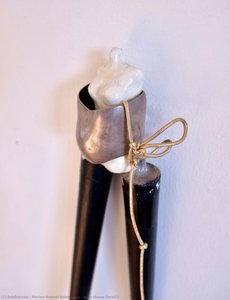
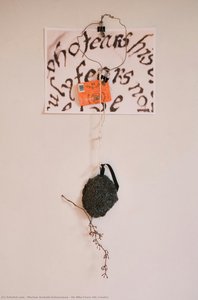
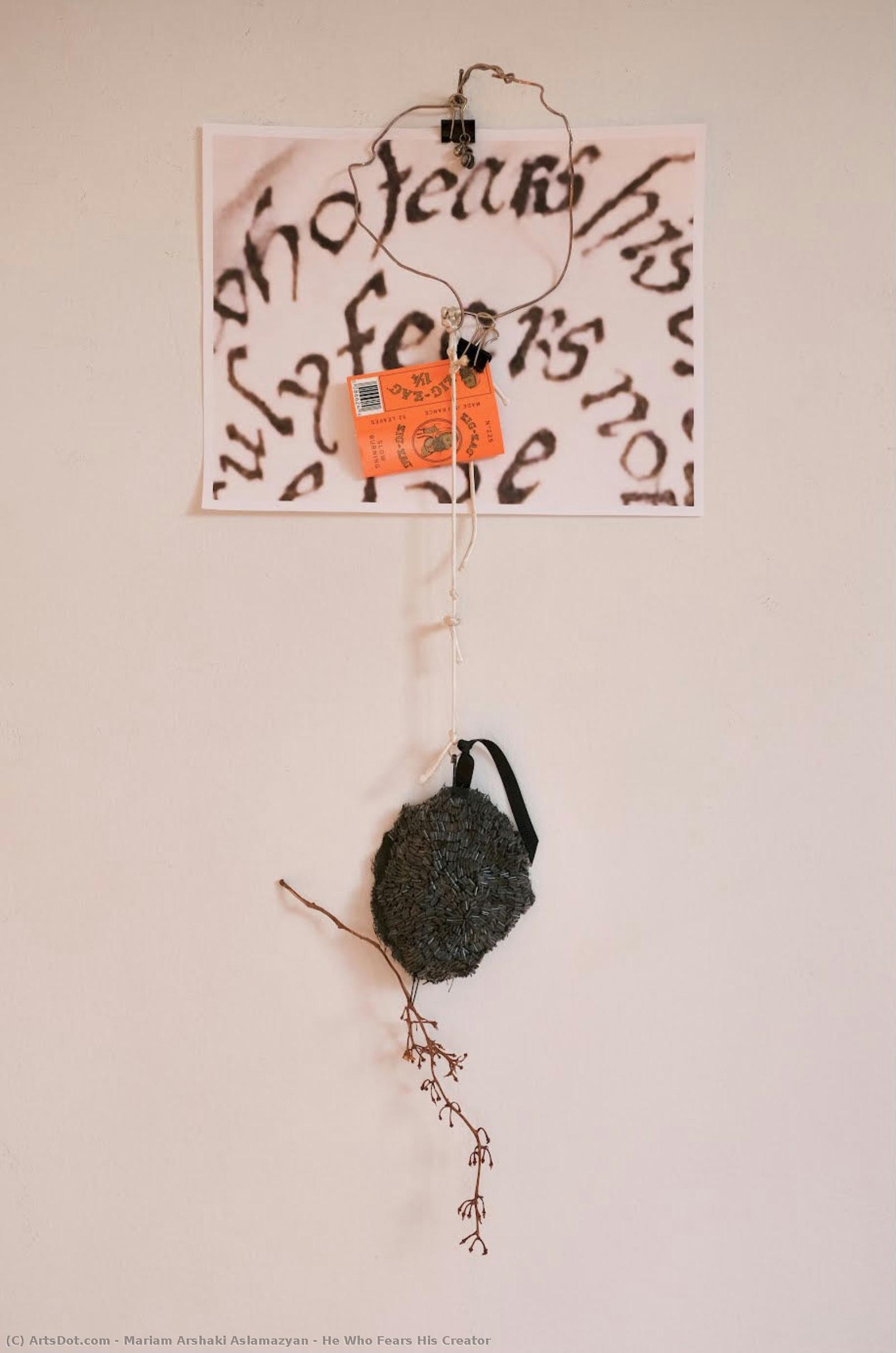
He Who Fears His Creator


 Read More
Giclée / Art Print
Museum-quality giclée or canvas print with fast production and flexible finish options. ( Buy Hand Made Painting Buy Image)




































Pick from our preset sizes that match the artwork's original proportions.

You may enter your own dimensions to fit a specific frame or space. If your selected size does not match the original image's proportions, we will either crop the artwork or extend the image with a mirrored or solid-fill edge. A digital mockup will be sent for your approval before production begins.
Please note that the on-screen preview does not reflect the actual cropping or extension. Only the mockup will accurately show the final composition.
While custom sizes are available, we recommend selecting a dimension from the predefined list to preserve the original proportions.
Worldwide Delivery () in 2 weeks instead of standard 4/5 weeks. (21 August)

Free Worldwide Express Shipping

High-Quality Linen Canvas

Full Shipping Insurance

Customs Tax Refund Guarantee

True Color Matching Guarantee

60-Day Return Policy (Defects Only)

100% Money-Back Guarantee

Bulk Discount Offer
 Glass option is only available in size under 110 CM

He Who Fears His Creator
Giclée / Art Print
Reproduction Size
-


Total Price
$ 63
Related Artworks









Artist Biography
The Armenian Frida Kahlo: The Vibrant Legacy of Mariam Aslamazyan
In the tapestry of twentieth-century art, few threads shine with as much radiant color and cultural pride as those woven by Mariam Arshaki Aslamazyan. Often affectionately referred to as the "Armenian Frida Kahlo," Aslamazyan possessed a rare ability to marry the deeply personal with the profoundly nationalistic. Born in 1907 near Alexandropol—known today as Gyumri—her life was an odyssey of creative resilience and artistic triumph. Her work does not merely depict Armenian life; it breathes it, utilizing a modernist vocabulary to celebrate the textures, traditions, and spiritual essence of her homeland. Through her self-portraits, often draped in the intricate, traditional attire of Armenia, she established a visual identity that was both an intimate exploration of the self and a monumental tribute to her heritage.
The foundations of Aslamazyan’s mastery were laid in an environment rich with sculptural and aesthetic tradition. Raised by her father, the sculptor Arshak Davitovich Aslamazyan, she was immersed in the tactile world of form and shadow from her earliest years. Her formal journey led her to the Academy of Art under Stepan Aghajanian, a mentor who instilled in her a reverence for the symbolic resonance found within Armenian iconography. However, her vision was never confined by tradition alone. The influence of luminaries such as Petrov-Vodkin introduced her to the revolutionary currents of Western modernism. By absorbing the lessons of Henri Matisse and Paul Cézanne, she learned to manipulate space and color, moving away from strict realism toward a more decorative, planar approach that would become her signature.
A Synthesis of Color, Form, and Folklore
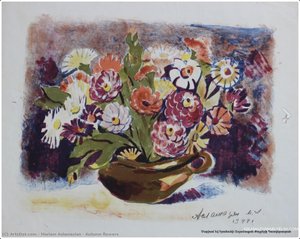
To encounter an Aslamazyan canvas is to enter a world of saturated brilliance. Her technique represents a sophisticated synthesis of Soviet realism and a uniquely Armenian decorative style. She moved away from the illusion of deep, receding perspective, opting instead for a flattened space that emphasized the rhythmic arrangement of shapes and motifs. Her palette was famously bold, dominated by vibrant reds, sun-drenched yellows, and deep, soulful blues—colors that mirrored the landscapes and textiles of the Caucasus. This approach allowed her to transform everyday subjects, such as still lifes of autumn flowers or scenes of collective farm abundance, into something much more profound: icons of cultural endurance.
Beyond the brush, Aslamazyan was also a gifted ceramicist, demonstrating an ability to translate her painterly vision into three-dimensional form. This versatility allowed her to explore the tactile nature of Armenian folk art, bridging the gap between high modernism and traditional craftsmanship. Her work often featured:
- Decorative Motifs: The use of intricate patterns drawn from ancient Armenian manuscripts and textiles.
- Symbolic Color: A reliance on high-contrast hues to evoke emotional depth and spiritual vitality.
- Cultural Narratives: Depictions of folklore, local customs, and the dignity of labor within the Armenian landscape.
Historical Significance and Enduring Spirit
Aslamazyan’s career was a testament to artistic perseverance during a period of immense political and social transformation. Navigating the male-dominated art spheres of the mid-twentieth century, she emerged not just as a participant, but as a leader of the Armenian school of painting. Her accolades were a reflection of this monumental impact; she was honored as a People’s Artist of the Armenian SSR in 1965 and later achieved the prestigious distinction of People’s Artist of the Soviet Union in 1990.
Her historical significance lies in her ability to maintain an authentic cultural voice amidst the sweeping tides of Socialist Realism. While many of her contemporaries adhered strictly to the mandates of the state, Aslamazyan infused her work with a sense of individual expression and ethnic pride that transcended political boundaries. Today, her legacy lives on as a cornerstone of Armenian modernism, reminding us that art is at its most powerful when it serves as a mirror to both the soul of the artist and the heart of a nation.
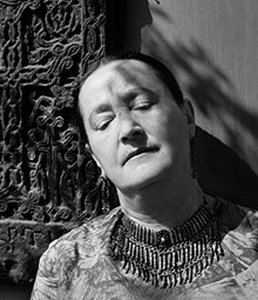
mariam arshaki aslamazyan
1907 - 2006 , Armenia
Quick Facts
- Artistic Movement Or Style: Naïve Art (Primitivism)
- Artists Or Movements Influenced By This Artist: ['Soviet Realism']
- Artists Who Influenced This Artist:
- Henri Matisse
- Paul Cézanne
- Martiros Saryan
- Date Of Birth: October 20, 1907
- Date Of Death: July 16, 2006
- Full Name: Mariam Arshaki Aslamazyan
- Nationality: Armenian
- Notable Artworks:
- Autumn flowers
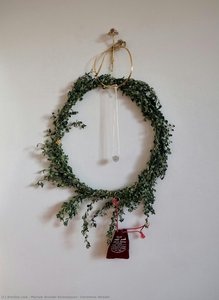
- Christmas Wreath
- He Who Fears His Creator
- Place Of Birth: Bashkiria, Armenia