 Preview
 Send
Send Share
Share
 Details

 Download
 Similars
 X-Ray
X-Ray Diaporama
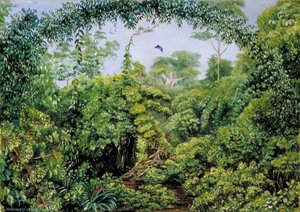
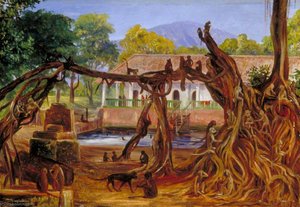
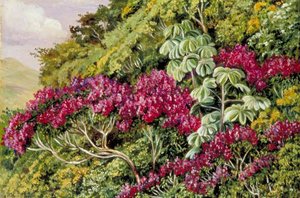
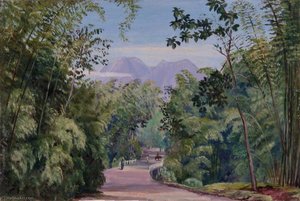
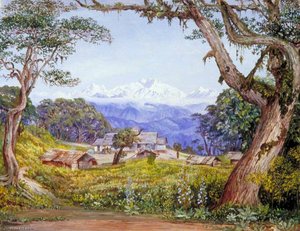
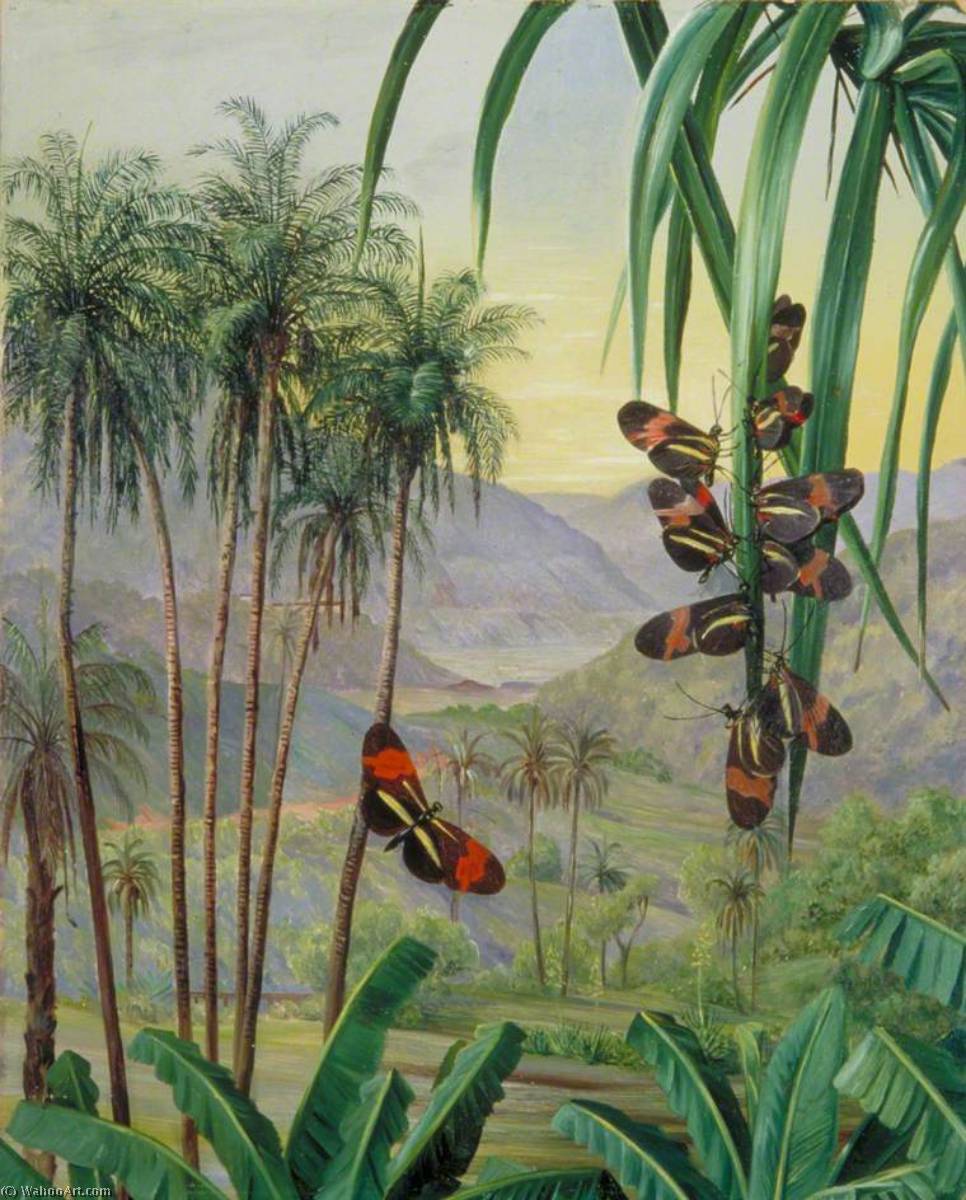
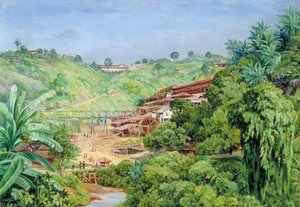
Landscape at Morro Velho, Brazil
 Acrylic On Canvas
- WallArt
- Naturalism
 1873
1873 44.0 x 35.0 cm
 Marianne North Gallery
 Read More
Giclée / Art Print
Museum-quality giclée or canvas print with fast production and flexible finish options. ( Buy Hand Made Painting Buy Image)




P118B $10

P118H $10

P118W $10

P438Z $10

P508JH $12

P508YH $12

P805H $10

P805Z $10

P919BZ $10

P919G $10

P919XJ $10

P959ZH $10

P968JZ $12

W106C $8

W218G $10

W218JH $8

W218Y $10

W307PJ $10

W316G $10

W316PJ $8

W316Y $10

W398PJ $8

W4111J $10

W500HY $15

W500JH $15

W692G $12

W849H $8

W940BG $15

W953PJ $8




Pick from our preset sizes that match the artwork's original proportions.

You may enter your own dimensions to fit a specific frame or space. If your selected size does not match the original image's proportions, we will either crop the artwork or extend the image with a mirrored or solid-fill edge. A digital mockup will be sent for your approval before production begins.
Please note that the on-screen preview does not reflect the actual cropping or extension. Only the mockup will accurately show the final composition.
While custom sizes are available, we recommend selecting a dimension from the predefined list to preserve the original proportions.
Worldwide Delivery () in 2 weeks instead of standard 4/5 weeks. (17 August)

Free Worldwide Express Shipping

High-Quality Linen Canvas

Full Shipping Insurance

Customs Tax Refund Guarantee

True Color Matching Guarantee

60-Day Return Policy (Defects Only)

100% Money-Back Guarantee

Bulk Discount Offer
 Glass option is only available in size under 110 CM

Landscape at Morro Velho, Brazil
Giclée / Art Print
Reproduction Size
-


Total Price
$ 63
Collectible Description
A Victorian Explorer's Vision: Unveiling Marianne North’s Brazilian Landscape
Marianne North’s “Landscape at Morro Velho, Brazil,” painted in 1873, is more than just a depiction of a tropical vista; it’s a vibrant testament to a woman’s audacious spirit and her profound connection with the natural world. Born into privilege in Hastings, England, North defied societal expectations by embarking on an extraordinary life dedicated to botanical exploration and artistic documentation. This particular painting captures a fleeting moment in Brazil – Morro Velho, a historic settlement nestled along the coast, offering a glimpse of a landscape brimming with exotic flora and hinting at the rich cultural tapestry of the region. It’s a window into the Victorian era's fascination with the ‘new world,’ filtered through the discerning eye of an intrepid artist who prioritized observation and artistic expression above all else.
North’s style is distinctly Naturalism, a movement that sought to accurately represent nature as it appeared, eschewing romanticized or idealized depictions. The painting isn't concerned with dramatic lighting or imposing grandeur; instead, it focuses on meticulous detail – the delicate veins of palm leaves, the intricate patterns of butterfly wings, and the subtle variations in color within the dense foliage. Her brushwork is loose yet controlled, creating a sense of movement and vitality that draws the viewer into the scene. The use of color is particularly noteworthy: vibrant greens and blues dominate, punctuated by bursts of scarlet and gold from the butterflies, suggesting both the exuberance and the inherent beauty of the Brazilian rainforest.
The Journey to Brazil: A Personal Expedition
North’s journey to Brazil wasn't merely a scientific expedition; it was deeply personal. Following the death of her father in 1869, she resolved to dedicate herself entirely to her artistic pursuits and travel the world documenting its botanical wonders. This particular trip occurred after a period of intense reflection and a desire to escape the constraints of Victorian society. She traveled alone, relying on her own resourcefulness and determination, often lodging in rudimentary conditions while diligently pursuing her artistic goals. The painting itself reflects this spirit of self-reliance and unwavering commitment to her chosen path.
The historical context surrounding this work is crucial to understanding its significance. Brazil was undergoing significant transformation during the late 19th century, grappling with issues of colonialism, slavery (which had been officially abolished in 1888), and burgeoning industrialization. North’s paintings offer a valuable record of Brazil's natural heritage at a time when it was rapidly being exploited for its resources. Her detailed depictions of the flora provide a crucial visual archive that complements historical accounts and scientific research.
Symbolism and Emotional Resonance
Beyond its botanical accuracy, “Landscape at Morro Velho” is rich in symbolism. The abundance of butterflies – a minimum of thirteen are visible – represents transformation, beauty, and the ephemeral nature of life. They dance across the canvas, adding a sense of lightness and joy to the scene. The presence of palm trees, iconic symbols of tropical landscapes, evokes feelings of warmth, tranquility, and exoticism. The distant mountain range in the background provides a sense of scale and perspective, grounding the viewer within this vibrant ecosystem.
Ultimately, North’s painting is an invitation to contemplate the interconnectedness of nature, the power of individual exploration, and the enduring beauty of the world around us. It's a poignant reminder that even in the midst of personal loss and societal constraints, it is possible to pursue one’s passions with unwavering dedication and create works of art that transcend time and place. The painting’s vibrant colors and intricate details continue to captivate viewers today, offering a glimpse into the life and vision of this remarkable Victorian explorer.
Related Artworks
Artist Biography
A Victorian Adventurer in Bloom
Marianne North was a spirit unbound, a woman who traded the expected comforts of Victorian domesticity for a life of intrepid exploration and artistic dedication. Born in 1830 into a privileged family in Hastings, England, her early path seemed destined for musical pursuits. However, failing health gently redirected her passions toward the delicate art of flower painting—a shift that proved not merely a consolation, but the genesis of an extraordinary existence lived entirely on her own terms. While many women of her era were confined to drawing rooms and societal expectations, North embarked upon a remarkable journey that would carry her across continents, transforming her into both a celebrated artist and a self-taught botanist. Her story is one of resilience, independence, and a profound connection with the natural world—a testament to a spirit unburdened by convention.
From Botanical Observation to Global Expedition
The years following her mother’s death in 1855 were formative ones, filled with extensive travel throughout Europe alongside her father. These journeys honed her observational skills and cultivated a keen eye for landscape, instilling within her a wanderlust that would soon blossom into something far more ambitious. After her father's passing in 1869, North resolved to dedicate herself fully to painting the flora of distant lands—a decision that marked a pivotal moment in her life. This wasn’t simply about capturing beauty; it was an act of scientific documentation, driven by a desire to record the botanical diversity of a world rapidly changing under the influence of colonialism and industrialization. Beginning in 1871, North embarked on a series of expeditions spanning nearly fifteen years, venturing into regions as diverse as Canada, Jamaica, Brazil, Japan, Borneo, India, Australia, and New Zealand. She traveled not with scientific teams or official patronage, but funded her adventures herself, relying on her family fortune and an unwavering determination to pursue her artistic vision. Her method was meticulous: she would immerse herself in each environment, carefully observing and sketching the plants before translating them onto canvas with remarkable accuracy and vibrant color. She wasn’t merely a visitor; she became a part of the landscapes she depicted, absorbing their essence and conveying it through her art. The sheer scale of her travels, undertaken independently by a woman during an era that severely restricted female autonomy, is itself a testament to North's exceptional character.
A Unique Artistic Style & Legacy at Kew
North’s artistic style is immediately recognizable for its detailed realism and luminous palette. Working primarily in oils—an unusual choice for botanical illustration at the time—she achieved a depth of color and texture that brought her subjects to life. Her paintings aren't sterile scientific renderings; they are imbued with a sense of atmosphere and place, capturing not just the form of the plants but also their environment and the feeling of being immersed within it. She wasn’t formally trained in any particular art movement, yet her work reflects elements of Victorian naturalism and a commitment to accurate representation. Perhaps her most enduring legacy is the gallery dedicated to her work at Kew Gardens in London. Recognizing the significance of her collection—over 800 paintings documenting plants from around the globe—North generously gifted them to the Royal Botanic Gardens in 1882, along with funds for a purpose-built exhibition space. The Marianne North Gallery, opened that same year, remains the only permanent solo exhibition by a female artist at Kew and continues to inspire visitors today. It stands as a powerful symbol of her artistic achievement and her commitment to sharing her discoveries with the world—a vibrant testament to a life lived in pursuit of beauty and knowledge. Paintings like ‘Tegoro, Sarawak’ exemplify this, transporting viewers to lush rainforests teeming with life, while works such as ‘On the Way from Tibet near Nagkunda, North India’ capture the dramatic grandeur of Himalayan landscapes.
Challenging Conventions & Enduring Influence
Marianne North was more than just an artist; she was a pioneer who challenged societal norms and expanded the boundaries of what was considered acceptable for women in Victorian society. Her independent travels, professional career, and dedication to scientific observation were all remarkable achievements for her time. She defied expectations by refusing marriage and choosing instead to forge her own path, driven by intellectual curiosity and artistic passion. Her paintings serve as invaluable historical records, documenting plant life at a crucial moment in history—a period of rapid environmental change and colonial expansion. They offer insights into the botanical landscapes of the 19th century and provide a visual record of species that may now be endangered or extinct. The restoration of the Marianne North Gallery in 2008 underscored her enduring legacy, reaffirming her place as a significant figure in both art history and botanical science. Her story continues to resonate today, inspiring artists, scientists, and adventurers alike to pursue their passions with courage and conviction—a true testament to the power of an independent spirit and a lifelong love of the natural world. She proved that a woman could be both a scholar and an explorer, a scientist and an artist, all while remaining fiercely independent. Her work continues to remind us of the importance of observation, documentation, and the preservation of our planet’s incredible biodiversity.
Notable Works
- Foliage, Flowers and Fruit of the Cashew, Tanjore, India: A vibrant depiction showcasing the intricate details of this tropical plant.
- Elephants, Exotic Fish, and Leaf Insect: Demonstrates North’s ability to capture not only flora but also fauna within their natural habitat.
- Tegoro, Sarawak: A lush rainforest scene that exemplifies her detailed realism and atmospheric beauty.
- On the Way from Tibet near Nagkunda, North India: Captures the dramatic Himalayan landscapes with romantic realism.
- Lake of Ajmere, North West India: A watercolor landscape showcasing Indian mountains and a serene sunset.
These works, along with hundreds more, stand as enduring monuments to her artistic skill and unwavering dedication—a legacy that continues to bloom at Kew Gardens and inspire generations.
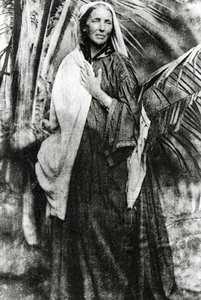
Marianne North
1830 - 1890 , United Kingdom
Quick Facts
- Artistic Movement Or Style: Victorian naturalism
- Artists Who Influenced This Artist: ['Joseph Dalton Hooker']
- Date Of Birth: 1830
- Date Of Death: 1890
- Full Name: Marianne North
- Nationality: British
- Notable Artworks:
- Tegoro, Sarawak
- On the Way from Tibet
- Lake of Ajmere
- Foliage, Flowers and Fruit
- Place Of Birth: Hastings, UK
Related Articles
Marianne North's Masterpieces: 25 Botanical Paintings That Bloom With Adventure | ArtsDot
Journey through the vibrant world of Marianne North’s botanical paintings! Explore 25 iconic artworks from this Victorian artist, celebrating exotic flora & travel. Find museum-quality reproductions and curated decor ideas at ArtsDot.com.

Beyond the Horizon: 10 Landscape Masterpieces for Your Home Decor
Journey through 10 breathtaking landscape paintings by Monet, Van Gogh & more! Explore iconic artworks, artistic techniques & find inspiration for your home decor. Museum-quality reproductions at ArtsDot.com. Discover all masterpieces on ArtsDot.com
Victorian Botanical Painting: Science, Art & Aesthetic Sensibility
Explore the exquisite world of Victorian botanical art! Discover the science & artistry behind stunning floral illustrations by Gould, Muckley & more. Learn about collecting, value & investment at ArtsDot.
The Flourishing Canvas: A Historical Journey Through Botanical Illustration
Explore the captivating history of botanical illustration! Discover renowned artists like Robert Havell & Mary Walcott, learn about techniques, and find museum-quality art at ArtsDot.com.

Romantic Landscapes: 10 Masterpieces for Your Home | ArtsDot
Journey through 10 Romantic landscape masterpieces by Friedrich, Turner & Cole. Explore emotional art, sublime nature scenes & iconic 19th-century paintings. Find museum-quality reproductions for your home at ArtsDot.com – discover the full collection online!