

 Preview
 Send
Send Share
Share
 Details

 Download
 Similars
 X-Ray
X-Ray Diaporama
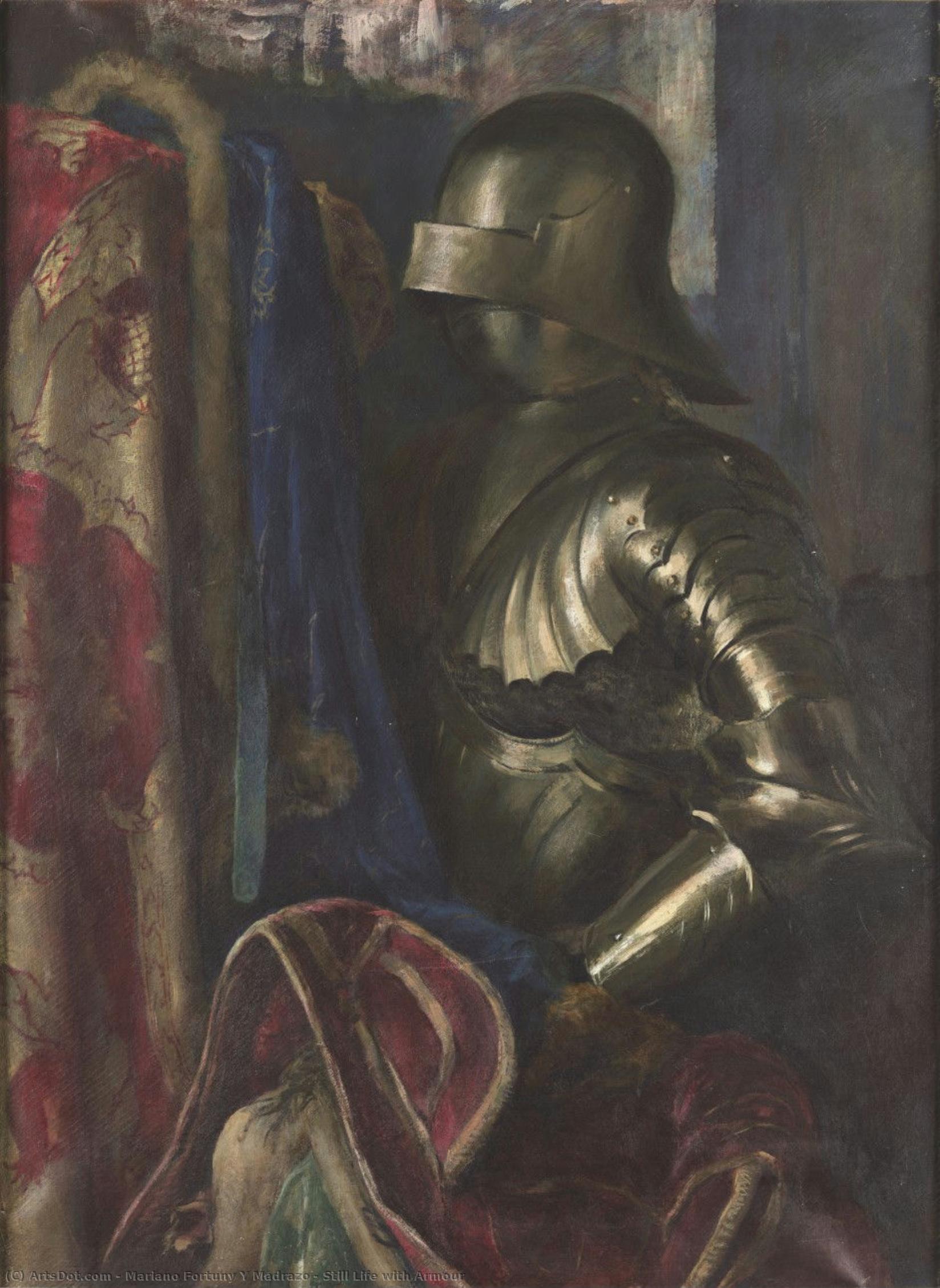
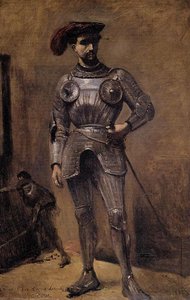
Still Life with Armour
 Oil On Canvas
- WallArt
- Academic Realism
 19th Century
 5.0 x 92.0 cm
 Palazzo Fortuny
 Read More
Purchase a high-resolution, enhanced digital image, far superior to the online preview.
Each file is meticulously prepared by our in-house specialists using advanced tools and expert manual retouching. We ensure every image has exceptional clarity, precise color accuracy, and fine detail.
The final file is delivered via email within 72 hours, optimized for immediate use in professional, editorial, and print environments. This is the same quality trusted by top-tier design studios, publishers, and galleries.
Digital Image
Download a high-resolution file for personal display, printing, and creative projects. ( Buy Print Buy Hand Made Painting)
Included in Every Digital Image Order
Expert Digital Delivery, Guaranteed
When you choose ArtsDot.com, you're not just getting an image - you're receiving a professionally enhanced digital artwork, crafted with precision and backed by a satisfaction guarantee. Here's everything that comes with your order, automatically:

Fast Email Delivery
Your high-resolution digital image file will be emailed to you within 72 hours of ordering - ready for immediate use.

AI-Enhanced Digital File
Your artwork is professionally optimized using advanced AI tools and manual editing, ensuring maximum detail, clarity, and color accuracy.

Free Lifetime Re-Delivery
Accidentally deleted or lost your file? No worries - we'll resend it to you anytime, free of charge.

No Import Fees - Ever
Enjoy your artwork instantly with zero customs, duties, or delivery fees - digital downloads are always tax-free.

Color Accuracy Guarantee
We ensure your digital image reflects the original colors as closely as possible using professional tools and color management.

60-Day Satisfaction Guarantee
If you're not satisfied with your digital image, we'll revise it or refund 100% within 60 days - no questions asked.

100% Money-Back Guarantee
Not satisfied? Get a full refund within 60 days of receiving your digital file - no questions asked.

Bulk Order Discounts
Buy 3 images, save 10% - Buy 5, save 15% - Buy 10+, save 20%. Great for creative projects, galleries, and agencies.
Collectible Description
A Study in Quiet Grandeur: Mariano Fortuny’s “Still Life with Armour”
Mariano Fortuny y Madrazo's "Still Life with Armour" is not merely a depiction of an object; it’s a carefully constructed tableau brimming with historical resonance, subtle symbolism, and a palpable sense of melancholy. Painted in 1874, just before his untimely death, this work offers a poignant glimpse into the artist’s evolving aesthetic – a masterful blend of academic realism, Spanish Old Master influences, and a distinctly Venetian sensibility. The piece immediately draws the viewer in with its muted palette and the imposing presence of the armored figure seated within a richly draped interior. It's a scene that whispers stories of bygone eras, hinting at both protection and isolation.
Composition and Technique: A Masterclass in Light and Texture
Fortuny’s technical skill is immediately evident in the meticulous rendering of textures – from the gleaming, highly polished surface of the armour to the soft, yielding folds of the velvet cushion and the subtly textured fabric of the curtain. The artist employs a layered glazing technique, building up color gradually to achieve remarkable depth and luminosity. Note how light dramatically sculpts the armor, highlighting its metallic sheen while simultaneously casting deep shadows that suggest both age and wear. The composition itself is carefully balanced; the central figure anchors the scene, while the strategically placed vases and birds create visual interest without disrupting the overall mood. The use of atmospheric perspective subtly recedes the background elements, adding to the sense of depth and enclosure.
- Color Palette: Dominated by earthy browns, grays, and blacks, punctuated by flashes of red and blue in the drapery – a restrained yet sophisticated choice.
- Brushwork: Generally visible, but skillfully blended to create a smooth, polished surface. The artist’s hand is present, adding to the work's authenticity.
- Lighting: Dramatic and directional, originating from an unseen source above and slightly to the left, creating strong contrasts of light and shadow that emphasize form and texture.
Symbolism and Historical Context: Echoes of a Lost Era
The central figure in full armour immediately evokes associations with chivalry, military prowess, and perhaps even the romanticized image of the Spanish conquistador. However, the seated posture – a slight slump of the shoulders, a contemplative gaze – suggests a weariness beyond mere physical exertion. The armour itself, a relic of a bygone era, becomes a symbol of protection, but also of confinement and isolation. The inclusion of birds, often associated with freedom and aspiration, subtly introduces an element of longing or unfulfilled potential. Considering Fortuny’s own travels and fascination with the East, particularly Morocco, one can interpret the scene as a meditation on the clash between tradition and modernity, or perhaps a reflection on the fleeting nature of glory.
The Venetian Influence: A Legacy of Innovation
Fortuny’s relocation to Venice in 1889 profoundly shaped his artistic vision. The city's atmospheric light, its faded grandeur, and its rich history of art and design all contributed to a distinctive aesthetic characterized by a sense of melancholy, nostalgia, and an appreciation for the beauty of decay. “Still Life with Armour” embodies this Venetian sensibility – a quiet elegance tempered by a subtle undercurrent of sadness. His later work would continue to explore these themes, particularly in his innovative use of textiles and stage lighting, solidifying his reputation as a true polymath and a pioneer of modern design. The piece stands as a testament to Fortuny’s ability to seamlessly blend historical references with personal expression, creating works that are both visually stunning and emotionally resonant.
Useful Links: Google Arts & Culture ArtsDot
Related Artworks
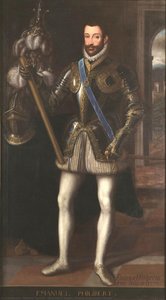
Artist Biography
A Polymath of Venice: The Life and Legacy of Mariano Fortuny
Mariano Fortuny y Madrazo, a name synonymous with innovation, artistry, and the alluring mystique of Venice, was far more than simply a painter or designer. Born in Granada, Spain, in 1871, his life unfolded as a testament to boundless curiosity and an unwavering pursuit of aesthetic perfection across multiple disciplines. The early loss of his father, also a celebrated painter, propelled a move with his mother to Paris, where young Mariano was immersed in the vibrant artistic currents of the late 19th century. This formative period instilled within him not only a technical foundation but also a deep appreciation for color, texture, and the power of visual expression. However, it was the subsequent relocation to Venice in 1889 that truly ignited his creative spirit. The city’s rich history, its unique light, and its atmosphere of faded grandeur became an enduring source of inspiration, shaping his artistic vision for decades to come.From Stage Lighting to Textile Revolution
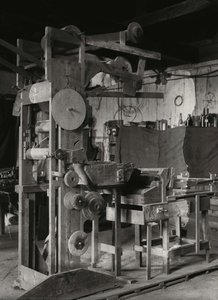
Fortuny's genius lay in his ability to seamlessly blend art with invention. He wasn’t content merely to create beautiful objects; he sought to understand and control the very processes that brought them into being. Initially captivated by the world of theatre, he revolutionized stage lighting through ingenious systems of reflected illumination, moving beyond simple direct light to create nuanced atmospheres and dramatic effects. This fascination with light extended beyond the stage, influencing his later work with textiles. He wasn’t simply designing fabrics; he was engineering them, developing unique dyeing techniques and even inventing machinery to achieve previously unattainable effects. His designs weren't just about aesthetics but also about manipulating how light interacted with fabric, creating a shimmering, almost ethereal quality that became his signature. This dedication led him to secure over twenty patents for his inventions, demonstrating a remarkable technical prowess alongside his artistic sensibility.The Delphos Gown and the Fortuny Aesthetic
While his contributions spanned numerous fields, Mariano Fortuny is perhaps best known today for his revolutionary approach to fashion. In 1906, he opened his couture house in Venice, quickly gaining renown for dresses that defied convention. The iconic *Delphos* gown, introduced around 1920, became a symbol of modern elegance and freedom. Inspired by the flowing drapery of ancient Greek sculptures, these gowns were crafted from specially pleated silk, allowing them to conform to the body with graceful fluidity. They weren’t tailored in the traditional sense; rather, they seemed to drape themselves upon the wearer, creating an effect of effortless sophistication. Beyond the *Delphos*, his textiles – richly colored and intricately patterned – found their way into interiors worldwide, adorning walls and furniture with a distinctly Venetian flair. The fabrics were not merely decorative; they were works of art in their own right, imbued with a sense of history and timeless beauty.A Lasting Influence
Mariano Fortuny’s legacy extends far beyond the exquisite garments and textiles he created. He embodied a holistic approach to design, believing that true artistry required mastery of every stage of the creative process – from initial concept to final execution. His dedication to craftsmanship, his innovative spirit, and his unwavering pursuit of beauty continue to inspire artists and designers today. The Fortuny factory in Venice, still operating on Giudecca Island, remains a testament to his enduring vision, preserving the time-honored techniques he pioneered. Furthermore, the Museo Mariano Fortuny y Madrazo, housed in his former palazzo, offers a captivating glimpse into his multifaceted world, showcasing not only his artworks and designs but also his inventions and the atmosphere that fueled his extraordinary creativity. He was truly a magician of Venice, transforming tradition with innovation and leaving an indelible mark on the worlds of art, fashion, and design.Key Achievements & Collections
- Innovative Stage Lighting: Pioneered indirect lighting techniques that revolutionized theatrical productions.
- Textile Design & Production: Developed unique dyeing processes and machinery for creating richly patterned silks.
- The Delphos Gown: Created a revolutionary garment inspired by ancient Greek drapery, celebrated for its fluidity and elegance.
- Museo Fortuny (Venice): His former home and studio now serves as a museum dedicated to his life and work.
- Notable Collections: Works are held in prestigious institutions including the Museum of Fine Arts, Boston (Mariano Fortuny: Teagown) and the Museo del Traje, Madrid (Mariano Fortuny: Swatch).
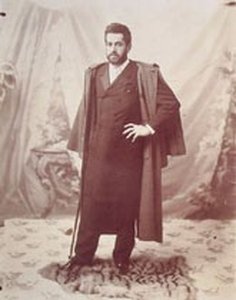
Mariano Fortuny y Madrazo
1871 - 1949 , Spain
Quick Facts
- Artistic Movement Or Style: Art Deco, Venetian art
- Artists Or Movements Influenced By This Artist:
- Fashion designers
- Textile artists
- Artists Who Influenced This Artist:
- Mariano Fortuny y Marsal
- Richard Wagner
- Date Of Birth: May 11, 1871
- Date Of Death: 1949
- Full Name: Mariano Fortuny y Madrazo
- Nationality: Spanish
- Notable Artworks:
- Fetching Water
- Teagown
- Swatch
- Matrix for printing textiles
- Portrait of Henriette Fortuny
- María Teresa de Madrazo
- Place Of Birth: Granada, Spain

