

 Preview
 Send
Send Share
Share
 Details

 Download
 Similars
 X-Ray
X-Ray Diaporama
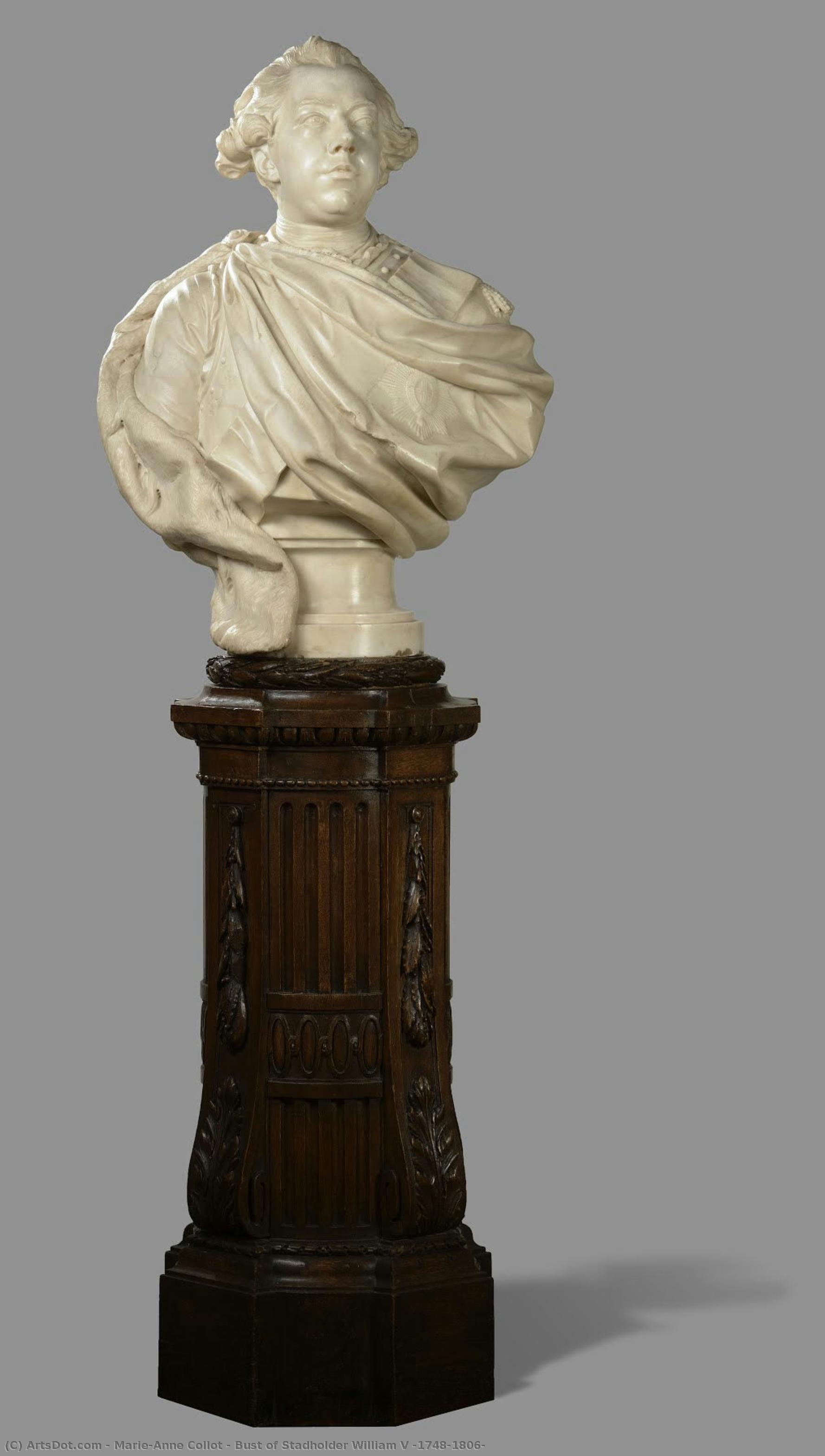
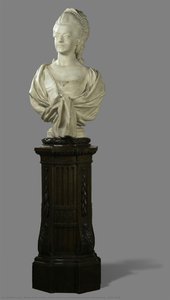
Bust of Stadholder William V (1748-1806)


 Read More
Purchase a high-resolution, enhanced digital image, far superior to the online preview.
Each file is meticulously prepared by our in-house specialists using advanced tools and expert manual retouching. We ensure every image has exceptional clarity, precise color accuracy, and fine detail.
The final file is delivered via email within 72 hours, optimized for immediate use in professional, editorial, and print environments. This is the same quality trusted by top-tier design studios, publishers, and galleries.
Digital Image
Download a high-resolution file for personal display, printing, and creative projects. ( Buy Print Buy Hand Made Painting)
Included in Every Digital Image Order
Expert Digital Delivery, Guaranteed
When you choose ArtsDot.com, you're not just getting an image - you're receiving a professionally enhanced digital artwork, crafted with precision and backed by a satisfaction guarantee. Here's everything that comes with your order, automatically:

Fast Email Delivery
Your high-resolution digital image file will be emailed to you within 72 hours of ordering - ready for immediate use.

AI-Enhanced Digital File
Your artwork is professionally optimized using advanced AI tools and manual editing, ensuring maximum detail, clarity, and color accuracy.

Free Lifetime Re-Delivery
Accidentally deleted or lost your file? No worries - we'll resend it to you anytime, free of charge.

No Import Fees - Ever
Enjoy your artwork instantly with zero customs, duties, or delivery fees - digital downloads are always tax-free.

Color Accuracy Guarantee
We ensure your digital image reflects the original colors as closely as possible using professional tools and color management.

60-Day Satisfaction Guarantee
If you're not satisfied with your digital image, we'll revise it or refund 100% within 60 days - no questions asked.

100% Money-Back Guarantee
Not satisfied? Get a full refund within 60 days of receiving your digital file - no questions asked.

Bulk Order Discounts
Buy 3 images, save 10% - Buy 5, save 15% - Buy 10+, save 20%. Great for creative projects, galleries, and agencies.
Collectible Description
Marie-Anne Collot: Sculptor of Dignity and Patronage
Marie-Anne Collot (Falconet), born in Paris in 1748, stands as a remarkable testament to artistic ambition within the gilded cage of aristocratic patronage. Her life’s work—primarily portrait busts—offers a poignant glimpse into the intellectual and cultural landscape of late Enlightenment France, particularly its fascination with classical ideals and humanist representation. Unlike many female artists of her era who struggled for recognition amidst societal constraints, Collot secured a privileged position thanks to her association with Étienne Falconet, arguably the most influential sculptor of his time—and crucially, her marriage to his son, Pierre-Étienne Falconet. This familial connection propelled her career forward, fostering collaborations that cemented her reputation as one of France’s foremost sculptors.Falconet's Influence and Artistic Vision
Collot’s formative years were spent under Falconet’s tutelage at the atelier of Jean Baptiste Lemoyne, a celebrated neoclassical sculptor who championed the revival of classical forms and techniques. Falconet instilled in Collot a profound respect for anatomical accuracy and a dedication to capturing the essence of her subjects—often members of the royal court—with unwavering seriousness and psychological insight. This influence is palpable throughout Collot’s oeuvre, where figures are rendered with meticulous detail, conveying not merely physical likeness but also inner character and emotional nuance. Falconet's commitment to portraying human dignity and virtue – a cornerstone of neoclassical philosophy – directly shaped Collot’s artistic sensibilities.Notable Commissions and Artistic Achievements
Collot gained considerable acclaim for her commissions from Catherine the Great—the Empress who recognized her talent and championed her work—and subsequently from William III of Orange, reflecting the cosmopolitan spirit of European art circles during the period. Her most celebrated achievement remains undoubtedly the monumental bronze equestrian statue of Peter the Great commissioned by St Petersburg’s elite – a project where Collot contributed a crucial plaster model that ultimately secured its place in Russian history. This undertaking demanded exceptional skill and perseverance, showcasing Collot's ability to execute ambitious projects under immense pressure. Furthermore, her busts of Henry IV, Sully, Voltaire, Lady Cathcart and Mary—the Princess of Orange—demonstrate her mastery of portraiture and her profound understanding of human psychology.Symbolism and Emotional Resonance
Collot’s sculptures transcend mere visual representation; they embody the ideals of Enlightenment thought – reason, virtue, and humanist compassion. The careful positioning of hands, eyes, and facial expressions communicates subtle gestures of contemplation and emotion, inviting viewers to engage in a dialogue with the depicted figures. Her portraits capture not just physical appearance but also psychological states—reflecting the intellectual fervor and moral concerns prevalent during her time. Collot’s work speaks to the enduring fascination with capturing human dignity and portraying inner life – themes that continue to resonate powerfully with audiences today.A Legacy of Elegance and Precision
Marie-Anne Collot's sculptures stand as enduring symbols of artistic excellence and intellectual curiosity—a testament to her unwavering dedication to classical ideals and her profound understanding of the human condition. Her meticulous technique, combined with Falconet’s influence, resulted in masterpieces that continue to inspire admiration for their beauty and psychological depth. Reproductions of Collot’s busts offer a captivating glimpse into a bygone era, allowing collectors and interior designers alike to appreciate the elegance and precision of neoclassical sculpture.Related Artworks
Artist Biography
William Hogarth: A Moralist of the Brush
William Hogarth, born in London on November 10, 1697, stands as a pivotal figure in British art history – a pioneering satirist, engraver, and painter who fundamentally shifted perceptions of visual storytelling. His life was one of relentless ambition tempered by financial hardship, and his artistic legacy continues to resonate through its sharp social commentary and innovative use of sequential imagery. Hogarth’s career spanned nearly six decades, during which he wrestled with the expectations of a courtly art world while forging a distinctly independent path, ultimately establishing himself as the first great English-born artist to garner international acclaim.Early Life and Artistic Foundations
Jonathan Hogarth, William's father, was a minor classical scholar whose struggles with printers and patrons fueled a lifelong resentment within his son. This early experience instilled in young William a deep distrust of established institutions and a fierce determination to control his own artistic destiny. Despite his father’s limited support, William received an education focused on the classics, which he later acknowledged as largely unproductive. However, his innate talent for drawing was nurtured through visits to a local painter's workshop, where he began to hone his skills in mimicking characters and capturing scenes from everyday life. Crucially, he apprenticed himself to a silversmith at the age of fifteen, an experience that, while initially perceived as unfulfilling, ultimately provided him with invaluable technical training in engraving – a skill that would become central to his artistic practice. This period instilled in him a pragmatic approach to his career and a willingness to experiment outside traditional methods, shaping his distinctive style.The Rise of the Engraver and Moralist
Hogarth’s early success stemmed largely from his skill as an engraver, producing intricate designs for silverware and decorative objects. However, he quickly recognized the potential of engraving to convey narrative and satire – a medium that allowed him to combine meticulous detail with biting social critique. His breakthrough came with *A Scheme Heroicall Enquire into the Vertues of Several Ladies*, a series of engravings depicting the lives of fashionable women in London, published in 1730-31. This work established his reputation as a moralist and satirist, exposing the superficiality and hypocrisy of high society through a series of often unflattering portraits and scenes of debauchery. Following this success, he began to develop his most famous series: *Marriage A Bed of Roses* (1738), *Hearthstone* (1740-42), and the monumental *Rake’s Progress* (1735-38). These eight engravings chronicle the downfall of Tom King, a dissolute rake, from his carefree youth to his eventual ruin, offering a stark moral lesson through vivid imagery and carefully constructed narratives.Technique and Innovation
Hogarth’s artistic technique was characterized by its meticulous detail, precise composition, and innovative use of sequential imagery. He employed a distinctive style of engraving – known as “Hogarthian” – that emphasized sharp contrasts between light and shadow, creating dramatic effects and highlighting the emotional states of his subjects. He meticulously planned each scene, often sketching multiple studies before committing them to plate. Crucially, he broke with traditional portraiture by incorporating narrative elements into his works, presenting a series of interconnected images that told a complete story. This approach, anticipating developments in photography and film, established him as a pioneer of sequential art – a technique that would later influence artists such as Gustave Courbet and Émile Zola. Furthermore, Hogarth’s use of perspective and spatial relationships was remarkably advanced for his time, contributing to the illusionistic quality of his engravings.Legacy and Influence
William Hogarth died in London on October 26, 1764, at the age of 66. While he never achieved the financial success he had hoped for as a history painter or portraitist, his influence on subsequent generations of artists was profound. His satirical works challenged social conventions and exposed hypocrisy, paving the way for later social critics and reformers. His innovative use of sequential imagery influenced the development of caricature and comic strip art. Moreover, his theories about aesthetics – articulated in *An Essay on the Theory of Painting* (1753) – provided a framework for understanding visual perception and artistic representation that resonated with Romantic writers like William Blake and Lord Byron. Today, Hogarth is recognized as one of the most important figures in British art history, celebrated for his sharp wit, technical skill, and enduring contribution to the development of narrative illustration. His works continue to be studied and admired for their social commentary, artistic innovation, and timeless appeal.
marie-anne collot
1745 - 1814 , France
Quick Facts
- Artistic Movement Or Style: Moral & satirical engravings/paintings
- Artists Or Movements Influenced By This Artist: ['Romantic literature']
- Date Of Birth: November 10, 1697
- Date Of Death: October 26, 1764
- Full Name: William Hogarth
- Nationality: English
- Notable Artworks: ['A Rake’s Progress']
- Place Of Birth: London, England

