

 Preview
 Send
Send Share
Share
 Details

 Download
 Similars
 X-Ray
X-Ray Diaporama
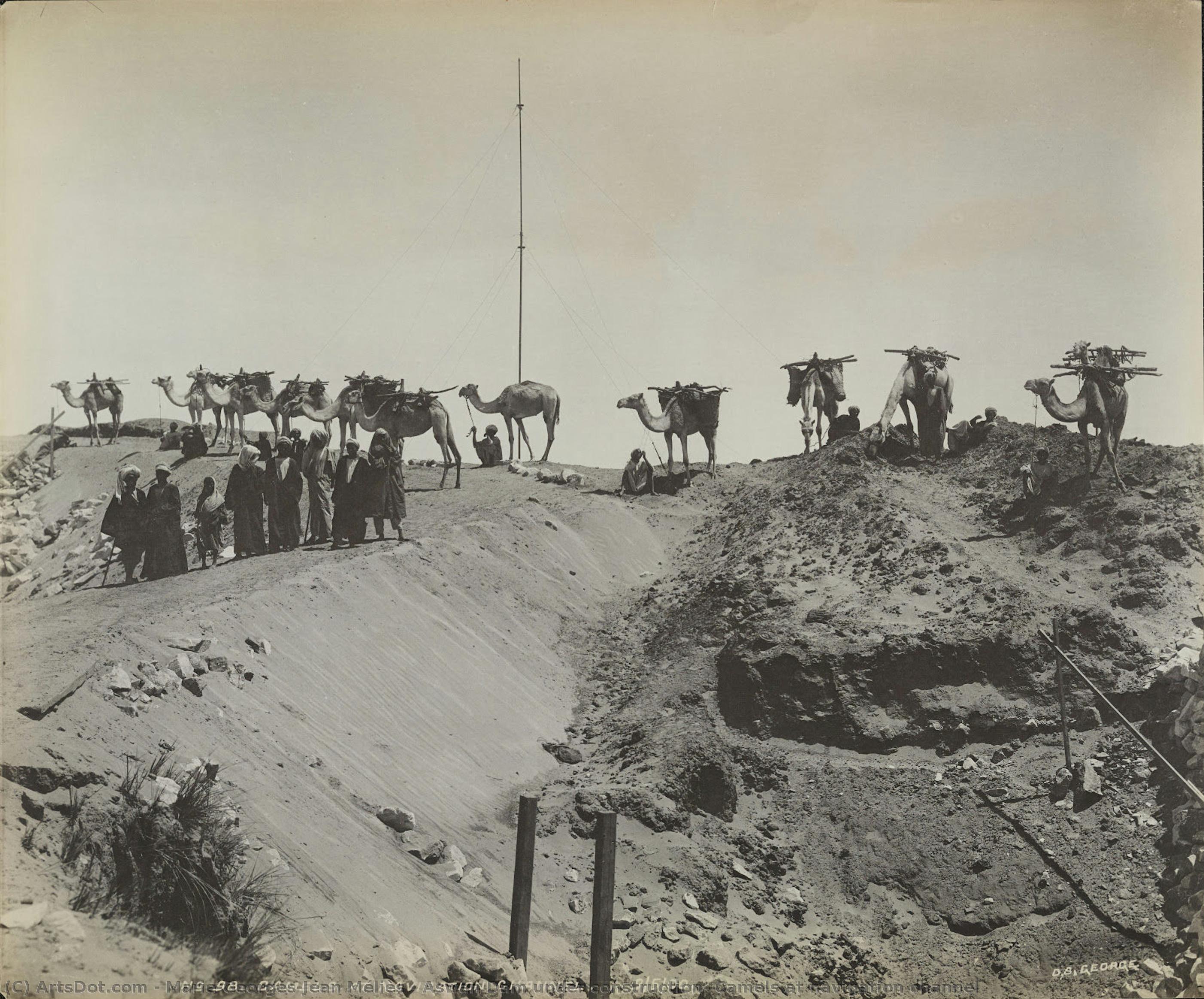
Aswan Dam under construction: Camels at navigation channel
 Acrylic
- WallArt
- Documentary Photography
 1900
1900 24.0 x 29.0 cm
 Science Museum
 Read More
Purchase a high-resolution, enhanced digital image, far superior to the online preview.
Each file is meticulously prepared by our in-house specialists using advanced tools and expert manual retouching. We ensure every image has exceptional clarity, precise color accuracy, and fine detail.
The final file is delivered via email within 72 hours, optimized for immediate use in professional, editorial, and print environments. This is the same quality trusted by top-tier design studios, publishers, and galleries.
Digital Image
Download a high-resolution file for personal display, printing, and creative projects. ( Buy Print Buy Hand Made Painting)
Included in Every Digital Image Order
Expert Digital Delivery, Guaranteed
When you choose ArtsDot.com, you're not just getting an image - you're receiving a professionally enhanced digital artwork, crafted with precision and backed by a satisfaction guarantee. Here's everything that comes with your order, automatically:

Fast Email Delivery
Your high-resolution digital image file will be emailed to you within 72 hours of ordering - ready for immediate use.

AI-Enhanced Digital File
Your artwork is professionally optimized using advanced AI tools and manual editing, ensuring maximum detail, clarity, and color accuracy.

Free Lifetime Re-Delivery
Accidentally deleted or lost your file? No worries - we'll resend it to you anytime, free of charge.

No Import Fees - Ever
Enjoy your artwork instantly with zero customs, duties, or delivery fees - digital downloads are always tax-free.

Color Accuracy Guarantee
We ensure your digital image reflects the original colors as closely as possible using professional tools and color management.

60-Day Satisfaction Guarantee
If you're not satisfied with your digital image, we'll revise it or refund 100% within 60 days - no questions asked.

100% Money-Back Guarantee
Not satisfied? Get a full refund within 60 days of receiving your digital file - no questions asked.

Bulk Order Discounts
Buy 3 images, save 10% - Buy 5, save 15% - Buy 10+, save 20%. Great for creative projects, galleries, and agencies.
Collectible Description
A Moment Frozen in Time: Marie-Georges Jean Méliès and the Aswan Dam Project
A photograph by Marie-Georges Jean Méliès offers a poignant glimpse into a pivotal moment of Egyptian history – the ambitious undertaking to construct the Aswan Dam during the early 20th century. Captured around 1900, this monochrome image transcends mere documentation; it’s imbued with an atmosphere of both grandeur and quiet contemplation, reflecting the spirit of its era. Méliès, a pioneer in cinematic illusionism, brought his meticulous observational skills to photography, resulting in an artwork that speaks volumes about the intersection of engineering progress and human resilience.- Subject Matter: The photograph depicts a scene of logistical challenge and collaboration. A group of camels are skillfully transported uphill alongside workers involved in the dam’s construction project. This juxtaposition highlights the reliance on traditional methods – camel caravans – alongside cutting-edge technology, symbolizing the blending of old and new worlds.
- Style & Technique: Méliès employed the wet plate collodion process, a technique renowned for its ability to produce images with remarkable detail and tonal range. The resulting grainy texture isn’t merely an artifact of the photographic medium; it contributes to the photograph's authenticity and evokes the immediacy of witnessing history unfold.
Historical Context: Egypt at the Dawn of Modernity
The Aswan Dam project represented a monumental effort to harness the Nile’s power for agricultural irrigation and hydroelectric generation. It was undertaken during a period of significant social and economic upheaval, as Egypt transitioned from Ottoman rule towards greater independence. Méliès' photograph captures this transformative moment, portraying not just infrastructure development but also the daily lives of Egyptians adapting to these changes—a testament to human ingenuity in confronting adversity.- Symbolism: The camels themselves carry symbolic weight, representing Egypt’s enduring connection to its pastoral traditions. Their presence alongside the construction workers underscores the importance of preserving cultural heritage amidst rapid modernization.
- Composition & Perspective: Méliès skillfully utilizes a wide-angle perspective, emphasizing the scale of the landscape and conveying a sense of openness. The elevated hilltop vantage point allows for a panoramic view of the dam site, reinforcing the grandeur of the project.
Emotional Impact: A Window into Another Time
Beyond its factual record, Méliès’ photograph possesses an undeniable emotional resonance. The diffused lighting and grainy texture imbue the image with a melancholic beauty—a reminder that even seemingly triumphant achievements are accompanied by traces of bygone eras. It invites viewers to contemplate not only the engineering marvel but also the human experience embedded within it.- Lighting & Texture: The muted grayscale palette enhances the photograph’s contemplative mood, mirroring the subdued tones of a cloudy day. The textured surface captures the essence of early photography—a tangible connection to history and craftsmanship.
Related Artworks

Artist Biography
Frederic Remington: A Chronicler of the American West
Frederic Sackrider Remington, born in Canton, New York, in 1861, wasn’t merely an artist; he was a vital interpreter of a rapidly vanishing world. His life and work are inextricably linked to the dramatic transformation of the American West during the late 19th century – a period of expansion, conflict, and myth-making. Remington's legacy rests not just on his stunning paintings and illustrations but also on his ability to capture the spirit, both romanticized and brutally honest, of this frontier era. His family’s history—rooted in European immigrant heritage and intertwined with the burgeoning newspaper industry—provided a unique foundation for his artistic pursuits.
Remington's early life was shaped by his father, Seth Remington, a prominent New York journalist and postmaster. This exposure to print media instilled in young Frederic a keen eye for storytelling and visual communication. He received minimal formal art training, relying instead on self-directed study at the Art Students League in New York City and brief stints with instructors like John Henry Niemeyer at Yale University. Despite this lack of traditional schooling, Remington’s artistic talent blossomed through observation and experience—a crucial element in his distinctive style.
Remington's journey to the West began in 1881 when he traveled to Montana Territory, a pivotal moment that ignited his lifelong fascination with the region. He quickly immersed himself in the lives of cowboys, Native Americans, and cavalrymen, documenting their experiences through sketches and drawings. This firsthand exposure proved invaluable, informing his artistic vision and distinguishing him from artists who relied solely on secondhand accounts or romanticized depictions. His early work for *Harper’s Weekly*—illustrations depicting scenes of cattle drives, Indian raids, and frontier life—immediately garnered attention and established his reputation as a skilled storyteller.
The Rise of a Western Icon
Remington's illustrations for *Harper’s Weekly* were not simply decorative; they were meticulously researched narratives. He spent considerable time observing the subjects he depicted, often traveling extensively throughout the Southwest – Arizona, Texas, and New Mexico – to capture authentic details. His depictions of Native Americans, particularly the Cheyenne and Comanche tribes, were groundbreaking for their time, offering a more nuanced portrayal than was typically presented in popular media. However, it’s important to acknowledge that Remington's work, like much art of the era, was inevitably shaped by prevailing stereotypes and romanticized notions of the West.
Remington’s artistic style evolved significantly throughout his career. His early works were characterized by tight compositions, dramatic lighting, and a somewhat academic influence—a debt owed to French realist painters such as Ernest Meissonier and Édouard Detaille. As he matured, his brushwork became looser and more expressive, reflecting the ruggedness of the landscape and the dynamism of his subjects. He also embraced watercolor painting, experimenting with tonalism – a technique emphasizing subtle gradations of tone rather than bright colors—to create atmospheric effects.
Sculpting the Frontier
While primarily known for his paintings and illustrations, Remington was also a talented sculptor. He began sculpting in earnest during the late 1890s, initially experimenting with sand casting techniques before mastering the lost-wax method. His sculptures—often depicting cowboys, Native Americans, and horses—exhibited the same meticulous detail and dramatic flair as his paintings. Sculptures like “The Bronco Buster” exemplify his ability to capture movement and personality, solidifying his reputation as a versatile artist.
Legacy and Historical Significance
Frederic Remington died unexpectedly in 1909 at the age of forty-eight, leaving behind a vast body of work that continues to captivate audiences today. His illustrations played a crucial role in shaping public perceptions of the American West, contributing to both its romanticization and its complex realities. His depictions influenced generations of artists and writers, solidifying his place as one of the most important figures in Western art history. Remington’s legacy extends beyond the canvas and sculpture; he served as a war correspondent during the Spanish-American War, documenting the conflict with unflinching honesty—a stark contrast to the heroic narratives often presented at the time. His work remains a powerful testament to a pivotal era in American history, offering both beauty and insight into a world forever changed.
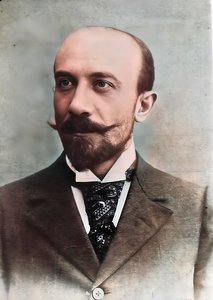
marie-georges-jean méliès
1861 - 1938 , France
Quick Facts
- Artistic Movement Or Style: Western American Art
- Artists Or Movements Influenced By This Artist:
- Ernest Meissonier
- Édouard Detaille
- Artists Who Influenced This Artist:
- George Catlin
- Earl W. Bascom
- Date Of Birth: October 4, 1861
- Date Of Death: December 26, 1909
- Full Name: Frederic Sackrider Remington
- Nationality: American
- Notable Artworks:
- A Dash for the Timber
- The Bronco Buster
- Place Of Birth: Canton, New York, USA

