 Preview
 Send
Send Share
Share
 Details

 Download
 Similars
 X-Ray
X-Ray Diaporama
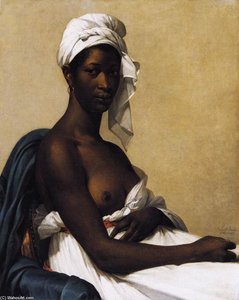
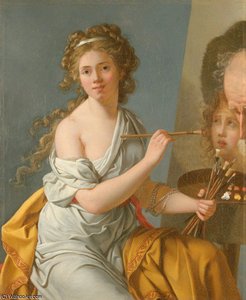
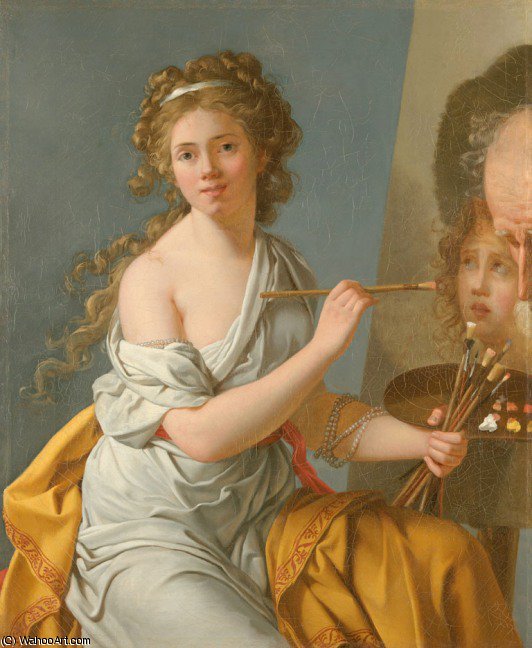
Self portrait
 Read More
Hand Made Oil Reproduction
Hand-painted oil on canvas in your size and frame, made to order by our artists. ( Buy Print Buy Image)




































Pick from our preset sizes that match the artwork's original proportions.

You may enter your own dimensions to fit a specific frame or space. If your selected size does not match the original image's proportions, we will either crop the artwork or extend the painting with additional hand-painted elements. A digital mockup will be sent for your approval before production begins.
Please note that the on-screen preview does not reflect the actual cropping or extension. Only the mockup will accurately show the final composition.
While custom sizes are available, we recommend selecting a dimension from the predefined list to preserve the original proportions.
After order, ArtsDot.com team will email client for instructions and provide a mockup preview
Worldwide Delivery () in 3/4 weeks instead of standard 5 weeks. (30 August). No compromise on quality.

Free Worldwide Express Shipping

High-Quality Linen Canvas

Full Shipping Insurance

Customs Tax Refund Guarantee

True Color Matching Guarantee

60-Day Return Policy (Defects Only)

100% Money-Back Guarantee

Bulk Discount Offer
 Glass option is only available in size under 110 CM

Self portrait
Reproduction Medium
Reproduction Size
-


Total Price
$ 263
Related Artworks









Artist Biography
Giovanni Antonio Canal: The Master of Venetian Light
Born in Venice in 1697 as Giovanni Antonio Canal, later known simply as Canaletto, was a pivotal figure in the history of art, renowned for his exquisitely detailed and evocative depictions of cityscapes – *vedute* – that capture the essence of 18th-century Venice, Rome, and London. More than just a painter of views, Canaletto possessed an extraordinary ability to translate light, atmosphere, and human activity onto canvas, establishing himself as one of the most influential artists of his era. His legacy continues to resonate today, informing countless landscape painters and offering a unique window into the vibrant life of Europe’s great cities.
Canaletto's artistic journey began humbly, assisting his father, Bernardo Canal, a theatrical scene painter. This early exposure instilled in him a keen eye for composition, perspective, and the depiction of human figures within architectural settings – skills that would prove invaluable as he transitioned to topographical painting. He honed his craft through apprenticeships with other Venetian artists, absorbing techniques and developing his distinctive style. Unlike many of his contemporaries who relied on idealized representations or fantastical elements, Canaletto prioritized accuracy and realism, meticulously documenting the streets, buildings, and inhabitants of the cities he observed. This commitment to observation is evident in his early works like “The Stonemason’s Yard,” a remarkably detailed study of daily life within a Venetian workshop, showcasing his mastery of light and shadow.
The Rise of the *Veduta* and Canaletto's Workshop
The 18th century witnessed the rise of the *veduta*, or cityscape painting, as a popular genre in Europe. Canaletto was at the forefront of this trend, producing an astonishing number of views – estimates range from several hundred to over a thousand – that served both as artistic expressions and practical records of urban development. Initially, he catered to wealthy Venetian patrons, creating individual portraits of their homes and businesses. However, recognizing the lucrative potential of documenting the city’s grand public events and architectural marvels, Canaletto shifted his focus towards producing works for tourists and collectors. This shift led him to establish a workshop, employing a team of assistants – most notably his nephew, Bernardo Bellotto – who executed many of the more repetitive or large-scale commissions.
While some critics initially questioned the authenticity of Canaletto’s work, attributing it to a mere imitator, it became clear that he was not simply copying existing views. His workshop produced highly skilled and consistent renderings, often incorporating his own preparatory sketches and compositional refinements. The collaboration between Canaletto and his assistants allowed him to maintain a remarkably high output while preserving the quality of his artistic vision. This system, though somewhat controversial at the time, proved incredibly successful, solidifying Canaletto’s position as one of Venice's most celebrated artists.
London Years and Artistic Evolution
In 1746, Canaletto embarked on a significant chapter in his career – a decade-long sojourn in England. Invited by the influential Venetian merchant and art collector Joseph “Consul” Smith, he traveled to London, where he quickly gained recognition for his accurate and engaging depictions of the city’s landmarks and bustling streets. His English paintings, including views of Eton College, Warwick Castle, and Alnwick Castle, demonstrated a remarkable ability to capture the scale and grandeur of these sites while also conveying a sense of atmosphere and human activity.
During his time in England, Canaletto’s style underwent subtle but noticeable changes. He experimented with brighter colors and looser brushwork, reflecting the influence of English landscape painting. He continued to utilize his *camera obscura*, a device that projected an image onto a surface, allowing him to create remarkably precise preparatory drawings for his paintings. However, he remained steadfast in his commitment to compositional design, prioritizing visual harmony and clarity over slavish adherence to topographical accuracy. His London years represent a fascinating period of artistic evolution, showcasing his adaptability and willingness to embrace new influences while retaining the core elements of his distinctive style.
Legacy and Influence
Canaletto’s impact on art history is profound. He elevated *veduta* painting to an unprecedented level of realism and detail, establishing a standard for future generations of landscape artists. His meticulous observation, masterful use of light and shadow, and ability to capture the essence of urban life have made his works enduringly popular. His paintings provide invaluable insights into the social, cultural, and architectural history of Venice, Rome, and London, offering a unique perspective on Europe’s 18th-century cities.
Beyond his artistic achievements, Canaletto's legacy extends to the development of topographical drawing and the use of optical instruments in art. His meticulous preparatory sketches, often created with the aid of a *camera obscura*, demonstrate a pioneering approach to visual representation. Canaletto’s influence can be seen in the works of countless artists who followed him, solidifying his place as one of the most important and enduring figures in the history of European art.
marie guillemine benoist (marie guillemine de laville leroux)
1768 - 1826 , France
Quick Facts
- Artistic Movement Or Style: Veduta (cityscapes)
- Artists Or Movements Influenced By This Artist:
- William Marlow
- Samuel Scott
- Artists Who Influenced This Artist:
- Luca Carlevaris
- Bernardo Bellotto
- Date Of Birth: 18 October 1697
- Date Of Death: 19 April 1768
- Full Name: Giovanni Antonio Canal
- Nationality: Italian
- Notable Artworks:
- The Stonemason's Yard
- Regatta on the Grand Canal
- Eton College
- A Regatta on the Grand Canal
- Canaletto’s View of Venice
- Place Of Birth: Venice, Italy