 Preview
 Send
Send Share
Share
 Details

 Download
 Similars
 X-Ray
X-Ray Diaporama
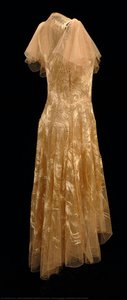
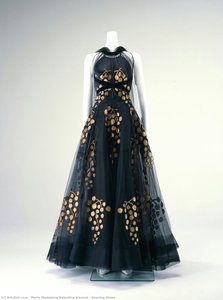
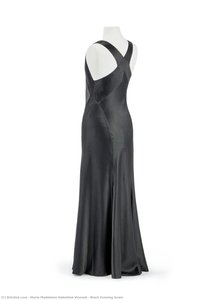
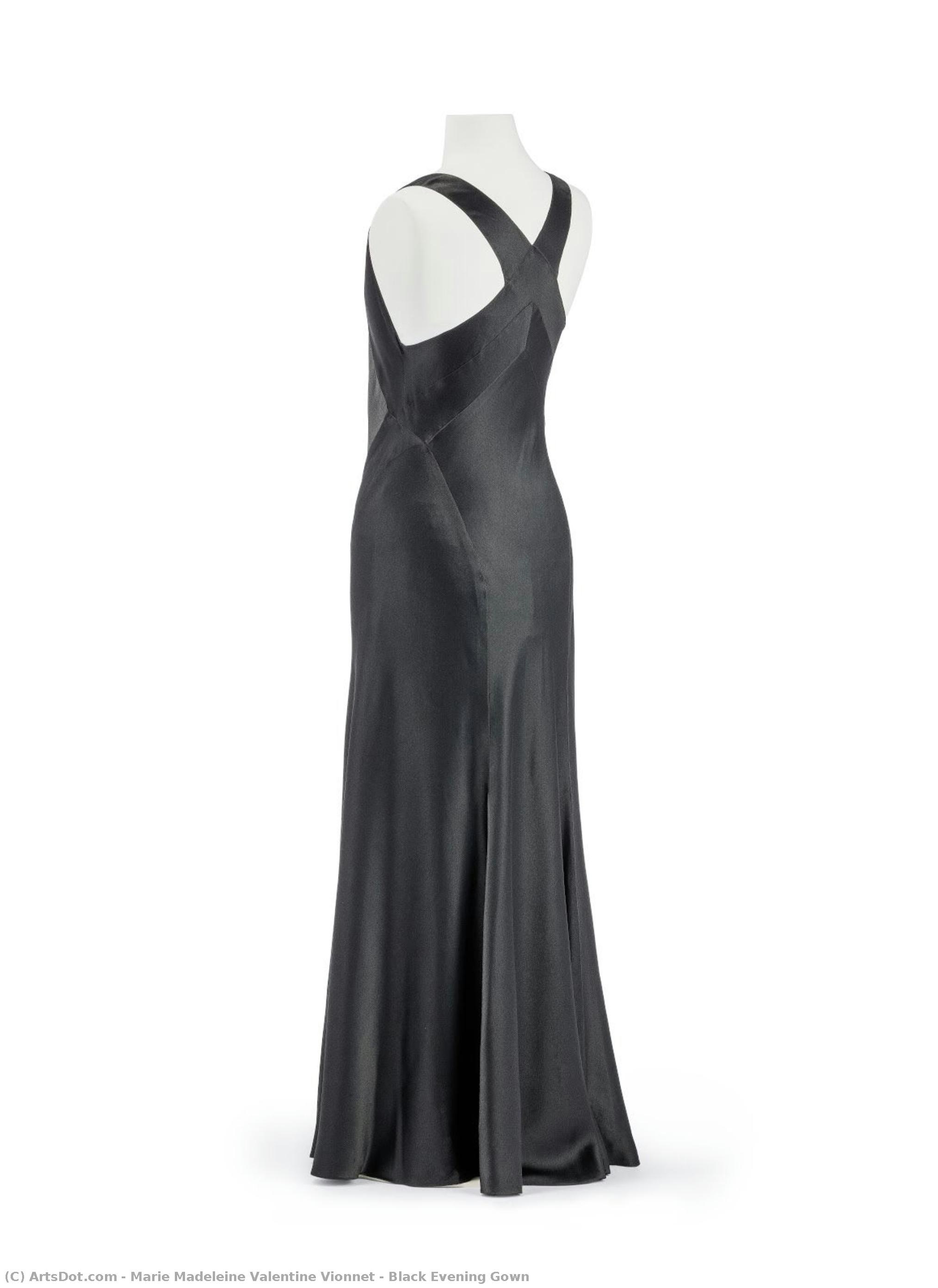
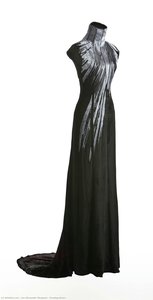
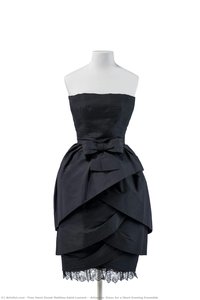
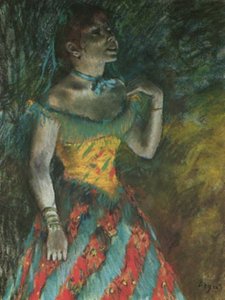
Black Evening Gown

 Read More
Giclée / Art Print
Museum-quality giclée or canvas print with fast production and flexible finish options. ( Buy Hand Made Painting Buy Image)




































Pick from our preset sizes that match the artwork's original proportions.

You may enter your own dimensions to fit a specific frame or space. If your selected size does not match the original image's proportions, we will either crop the artwork or extend the image with a mirrored or solid-fill edge. A digital mockup will be sent for your approval before production begins.
Please note that the on-screen preview does not reflect the actual cropping or extension. Only the mockup will accurately show the final composition.
While custom sizes are available, we recommend selecting a dimension from the predefined list to preserve the original proportions.
Worldwide Delivery () in 2 weeks instead of standard 4/5 weeks. (23 August)

Free Worldwide Express Shipping

High-Quality Linen Canvas

Full Shipping Insurance

Customs Tax Refund Guarantee

True Color Matching Guarantee

60-Day Return Policy (Defects Only)

100% Money-Back Guarantee

Bulk Discount Offer
 Glass option is only available in size under 110 CM

Black Evening Gown
Giclée / Art Print
Reproduction Size
-


Total Price
$ 63
Collectible Description
Related Artworks

Artist Biography
Madeleine Vionnet: The Architect of Couture
Madeleine Vionnet, a name synonymous with revolutionary elegance and groundbreaking design, remains one of the most influential figures in the history of fashion. Born in Chilly-lès-Pont, France, in 1876, she wasn’t simply a dressmaker; she was an architect of movement, a sculptor of fabric, and a visionary who fundamentally altered how clothing interacted with the human form. Her legacy isn't found in elaborate embellishments or towering silhouettes, but rather in the subtle yet profound shift she instigated – the embrace of the bias cut, a technique that continues to inspire designers today.
Vionnet’s early life was marked by hardship and independence. Orphaned at a young age, she navigated a world where opportunities for women were limited. She began her career as a seamstress, initially working in a hospital, honing her skills and developing an acute understanding of fabric's properties. This practical foundation proved crucial to her later innovations. Her time with the Callot Soeurs, a prominent Parisian fashion house, provided valuable experience but ultimately led to a pivotal moment: a disagreement that spurred her to forge her own path. It was during this period she began experimenting with draping and pattern cutting, laying the groundwork for her revolutionary approach.
The Bias Cut Revolution
Vionnet’s most significant contribution to fashion lies in her pioneering use of the bias cut. Traditional tailoring involved cutting fabric along the lengthwise grain, resulting in garments that were stiff and restricted movement. Vionnet recognized that by cutting fabric diagonally – across the bias – it could be stretched and draped to create a fluid, almost liquid effect against the body. This technique allowed dresses to cling beautifully, following the natural curves of the figure with unparalleled grace and freedom. She famously declared, “The dress must have an independent existence; it must be able to move, to breathe, to live as an individual.”
Her designs during the 1920s and 30s epitomized this philosophy. She created ethereal Grecian-style dresses that seemed to float on the wearer’s body, capturing the spirit of ancient mythology while simultaneously embracing modernity. These weren't simply reproductions of classical forms; they were reinterpretations imbued with a distinctly Vionnet sensibility – light, airy, and utterly captivating. She collaborated closely with leading models like Madeleine Viamet, meticulously studying how her creations moved and flowed on the body, further refining her technique.
A Parisian Icon
Vionnet established her own fashion house in Paris in 1912, quickly gaining recognition for her innovative designs. Despite facing challenges during wartime – both World War I and World War II forced the closure of her atelier – she persevered, demonstrating remarkable resilience and a deep commitment to her craft. Her work was celebrated by influential figures like Vogue, which lauded her as “perhaps the greatest geometrician among all French couturiers.”
Beyond the bias cut, Vionnet’s genius lay in her ability to anticipate trends and understand the evolving desires of women. She moved away from overtly decorative elements, focusing instead on creating garments that were both beautiful and functional. Her designs prioritized comfort and ease of movement, reflecting a shift towards greater freedom and independence for women during the interwar period. She was a master of understatement, letting the fabric itself speak volumes.
Legacy and Influence
Madeleine Vionnet’s impact on fashion extends far beyond her own lifetime. Her techniques continue to be studied and emulated by contemporary designers, demonstrating the enduring relevance of her work. From Alexander McQueen's dramatic draping to the fluid silhouettes favored by modern brands, Vionnet’s influence is undeniable. She wasn’t merely a designer; she was an innovator who redefined the relationship between clothing and the body, leaving behind a legacy as profound and elegant as the bias cut itself.
Her story serves as a testament to the power of individual vision and unwavering dedication in the face of adversity. Vionnet's work remains a source of inspiration for anyone seeking to create garments that are both beautiful and truly transformative.
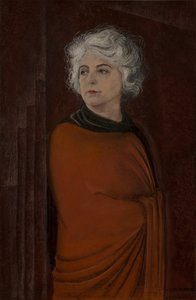
marie madeleine valentine vionnet
1876 - 1975 , France
Quick Facts
- Artistic Movement Or Style: Bias cut couture
- Date Of Birth: June 22, 1876
- Date Of Death: March 2, 1975
- Full Name: Madeleine Valentine Vionnet
- Nationality: French
- Notable Artworks:
- Black Evening Gown
- Evening Gown, Madeleine Viamet Model
- Evening Dress
- Place Of Birth: Chilly-lès-Pont, France