

 Send
Send Share
Share
 Details

 Download
 Similars
 Diaporama
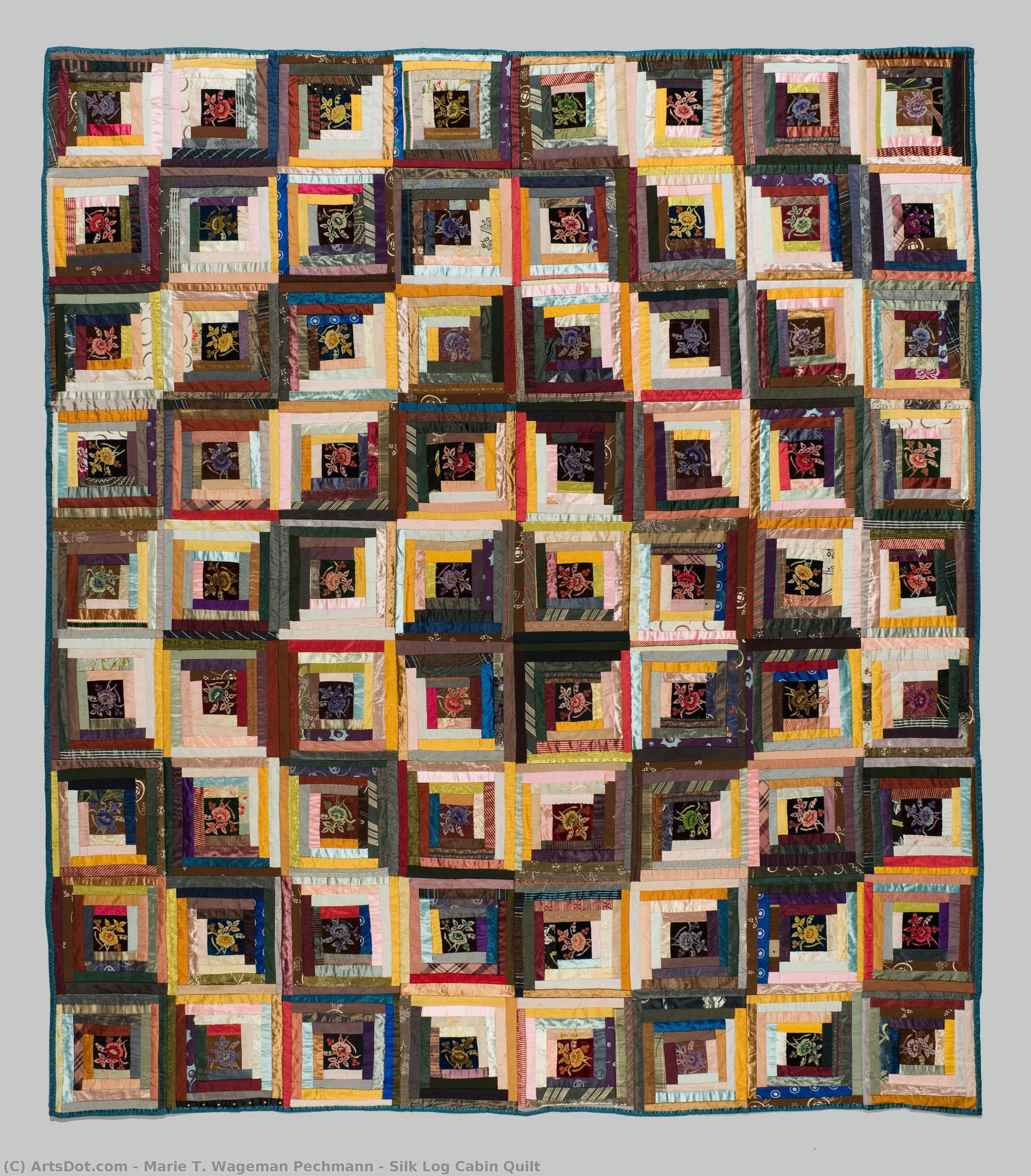
Silk Log Cabin Quilt


 Read More
Purchase a high-resolution, enhanced digital image, far superior to the online preview.
Each file is meticulously prepared by our in-house specialists using advanced tools and expert manual retouching. We ensure every image has exceptional clarity, precise color accuracy, and fine detail.
The final file is delivered via email within 72 hours, optimized for immediate use in professional, editorial, and print environments. This is the same quality trusted by top-tier design studios, publishers, and galleries.
Digital Image
Download a high-resolution file for personal display, printing, and creative projects. ( Buy Print Buy Hand Made Painting)
Included in Every Digital Image Order
Expert Digital Delivery, Guaranteed
When you choose ArtsDot.com, you're not just getting an image - you're receiving a professionally enhanced digital artwork, crafted with precision and backed by a satisfaction guarantee. Here's everything that comes with your order, automatically:

Fast Email Delivery
Your high-resolution digital image file will be emailed to you within 72 hours of ordering - ready for immediate use.

AI-Enhanced Digital File
Your artwork is professionally optimized using advanced AI tools and manual editing, ensuring maximum detail, clarity, and color accuracy.

Free Lifetime Re-Delivery
Accidentally deleted or lost your file? No worries - we'll resend it to you anytime, free of charge.

No Import Fees - Ever
Enjoy your artwork instantly with zero customs, duties, or delivery fees - digital downloads are always tax-free.

Color Accuracy Guarantee
We ensure your digital image reflects the original colors as closely as possible using professional tools and color management.

60-Day Satisfaction Guarantee
If you're not satisfied with your digital image, we'll revise it or refund 100% within 60 days - no questions asked.

100% Money-Back Guarantee
Not satisfied? Get a full refund within 60 days of receiving your digital file - no questions asked.

Bulk Order Discounts
Buy 3 images, save 10% - Buy 5, save 15% - Buy 10+, save 20%. Great for creative projects, galleries, and agencies.
Collectible Description
A Tapestry of Heritage: The Intricate Beauty of the Silk Log Cabin Quilt
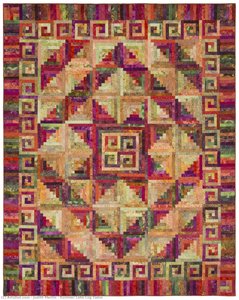
In the quiet intersection of domestic devotion and masterful artistry lies the Silk Log Cabin Quilt, an extraordinary textile masterpiece created in 1850 by Marie T. Wageman Pechmann. To gaze upon this work is to step into a mid-nineteenth-century world where every stitch served as a heartbeat of history. This is not merely a functional object designed for warmth; it is a complex, geometric symphony of color and texture. The quilt presents a dense, rhythmic grid of interlocking squares and rectangles, known as the "log cabin" pattern, which draws the eye into a mesmerizing labyrinth of silk and thread. Through a rich palette of deep ochre, crimson, forest green, and creamy ivory, Pechmann transformed humble materials into a vibrant mosaic that radiates a sense of structured elegance and timelessness.
The technique employed in this piece speaks to a level of precision and patience that is rare even by modern standards. As a product of German-American craftsmanship, the quilt embodies a meticulous attention to detail, where each "log" of fabric is carefully layered and secured through intensive hand-quilting. The tactile nature of the work is profound; the interplay between the shimmering silk surfaces and the raised, rhythmic stitching creates a topographical landscape of light and shadow. This layering process adds a physical depth to the piece, making it appear almost sculptural under soft lighting. For the discerning collector or interior designer, this texture offers a sophisticated focal point that brings a sense of organic complexity to any curated space.
Beyond its visual splendor, the Silk Log Cabin Quilt carries a profound symbolic weight. In the context of 1850s Americana, quilts were much more than bedding; they were vessels of memory, family lineage, and communal identity. The log cabin pattern itself often symbolizes the hearth, the home, and the sanctuary of the domestic sphere. Pechmann’s use of silk—a luxurious material compared to the standard cotton of the era—elevates the piece from folk craft to high art, suggesting a celebration of prosperity and the refined skill of the female hand in the nineteenth century. It evokes feelings of nostalgia, comfort, and the enduring strength of heritage.
For those seeking to bring a touch of historical soul into a contemporary interior, a reproduction of this quilt offers an unparalleled opportunity. Whether placed as a centerpiece in a traditional study or used to add a layer of storied texture to a modern minimalist room, the piece serves as a conversation starter. It bridges the gap between the ruggedness of frontier life and the delicate refinement of European textile traditions. Owning a tribute to Pechmann’s work is an invitation to surround oneself with the warmth of history and the exquisite, enduring beauty of hand-crafted excellence.
Related Artworks

Artist Biography
Marie T. Wageman Pechmann: A Tapestry of Heritage and Skill
Born in St. Louis, Missouri, in 1826, Marie T. Wageman Pechmann’s life unfolded against the backdrop of a rapidly changing America – a nation grappling with industrialization while simultaneously cherishing its traditions. Her story is not one of grand salons or courtly patronage, but rather one deeply rooted in the domestic sphere, yet brimming with artistic talent and an enduring legacy within the world of textile art. Her heritage, a blend of German precision and American ingenuity, profoundly shaped her distinctive style, evident most powerfully in her celebrated silk log cabin quilt created in 1850. This single work stands as a testament to her exceptional skill and offers a poignant glimpse into the lives and artistic expressions of women during that era.Early Life and Artistic Foundations
Marie’s early years were likely steeped in the traditions of her German ancestry, a culture renowned for its meticulous craftsmanship and appreciation for intricate design. While specific details about her formal training remain scarce – reflecting the limited opportunities available to women artists at the time – it is reasonable to assume she honed her skills through observation, practice, and perhaps informal instruction within her family or community. The burgeoning quilting tradition in America during the mid-19th century provided a fertile ground for artistic development. Quilts were not merely functional coverings; they were narratives woven into fabric, imbued with symbolism, and reflecting the social status, religious beliefs, and personal experiences of their makers. Marie’s work, like that of countless other women of her time, was an act of creation born from necessity and fueled by a deep-seated desire to transform simple materials into objects of beauty and lasting value.The Silk Log Cabin Quilt: A Masterpiece of Technique and Symbolism
Marie’s most enduring achievement is undoubtedly the 1850 silk log cabin quilt, an extraordinary example of American folk art. Constructed entirely by hand, this piece showcases a remarkable command of color, texture, and composition. The “log cabin” pattern itself – a series of interlocking squares resembling miniature cabins – was a popular motif during that period, often incorporating symbolic elements. The use of silk, a luxurious material at the time, elevated the quilt beyond mere functionality, signifying its value and the artist’s skill. Each square is meticulously pieced together, demonstrating an incredible level of patience and precision. The vibrant colors—a rich palette of reds, blues, greens, and yellows—are carefully chosen and skillfully blended to create a visually arresting effect. Beyond its aesthetic appeal, the quilt likely held personal significance for Marie, perhaps representing her family’s history or reflecting her own aspirations.Influences and Historical Context
Marie Wageman Pechmann's work is firmly rooted in the traditions of American folk art, yet it also reveals subtle influences from European textile design. The meticulous attention to detail and geometric patterns are reminiscent of German Pietra Dura, a technique involving inlaying precious stones into stone or metal. Furthermore, her quilt reflects the broader social context of 19th-century America – a time of rapid growth, westward expansion, and increasing industrialization. Quilting provided a vital outlet for creativity within a society where women often lacked formal artistic opportunities. It was a way to preserve traditions, express personal values, and contribute to the domestic economy.Legacy and Recognition
Despite the relative obscurity of her life, Marie T. Wageman Pechmann’s contribution to American textile art is undeniable. Her silk log cabin quilt remains a prized example of 19th-century craftsmanship and a powerful symbol of female creativity. While comprehensive biographical information remains limited, her work has been recognized by art historians and enthusiasts for its technical skill, aesthetic beauty, and historical significance. The Saint Louis Art Museum proudly houses one of the finest examples of her work, alongside other significant quilts from the period, offering visitors a valuable opportunity to appreciate the artistry and cultural context of this remarkable form of American folk art. Her legacy continues to inspire artists today, reminding us that beauty and meaning can be found in the most unexpected places – within the stitches of a hand-crafted quilt.
marie t. wageman pechmann
1826 - 1899 , United States of America
Quick Facts
- Artistic Movement Or Style: Textile art, Quilting
- Date Of Birth: 1826
- Date Of Death: 1899
- Full Name: Marie T. Wageman Pechmann
- Nationality: German-American
- Notable Artworks: ['Silk Log Cabin Quilt (1850)']
- Place Of Birth: St. Louis, USA

