 Preview
 Send
Send Share
Share
 Details

 Download
 Similars
 X-Ray
X-Ray Diaporama
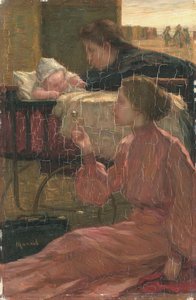
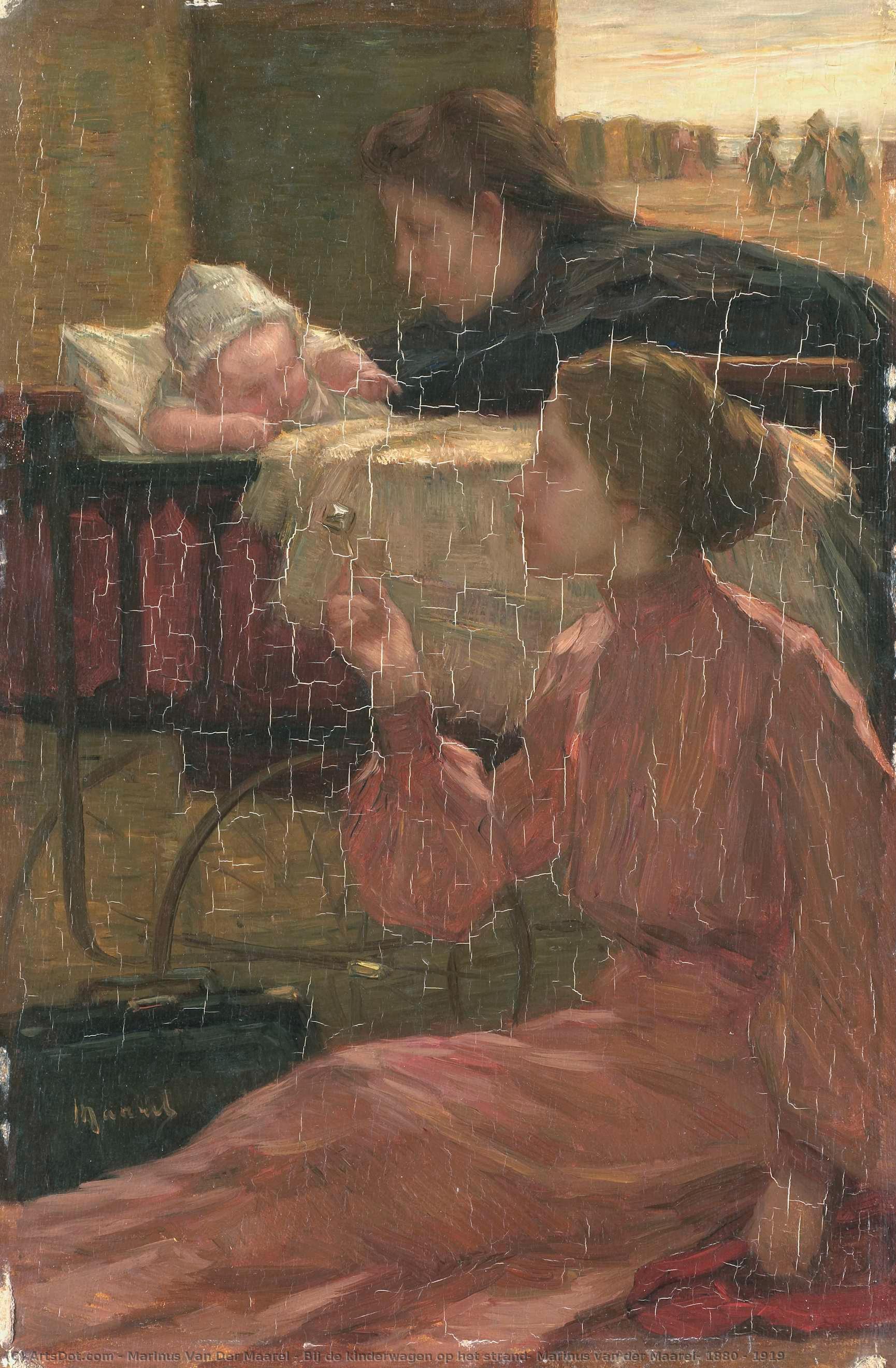
Bij de kinderwagen op het strand, Marinus van der Maarel, 1880 - 1919
 1919
1919 31.0 x 20.0 cm
 Read More
Hand Made Oil Reproduction
Hand-painted oil on canvas in your size and frame, made to order by our artists. ( Buy Print Buy Image)




































Pick from our preset sizes that match the artwork's original proportions.

You may enter your own dimensions to fit a specific frame or space. If your selected size does not match the original image's proportions, we will either crop the artwork or extend the painting with additional hand-painted elements. A digital mockup will be sent for your approval before production begins.
Please note that the on-screen preview does not reflect the actual cropping or extension. Only the mockup will accurately show the final composition.
While custom sizes are available, we recommend selecting a dimension from the predefined list to preserve the original proportions.
After order, ArtsDot.com team will email client for instructions and provide a mockup preview
Worldwide Delivery () in 3/4 weeks instead of standard 5 weeks. (20 August). No compromise on quality.

Free Worldwide Express Shipping

High-Quality Linen Canvas

Full Shipping Insurance

Customs Tax Refund Guarantee

True Color Matching Guarantee

60-Day Return Policy (Defects Only)

100% Money-Back Guarantee

Bulk Discount Offer
 Glass option is only available in size under 110 CM

Bij de kinderwagen op het strand, Marinus van der Maarel, 1880 - 1919
Reproduction Medium
Reproduction Size
-


Total Price
$ 263
Artwork Description
Related Artworks


Artist Biography
A Quiet Observer of Dutch Life: The World of Marinus van der Maarel
Marinus van der Maarel, born in 1857 in the heart of The Hague, Netherlands, was a painter deeply rooted in the traditions of his homeland. He wasn’t an artist who sought revolutionary change or dramatic departures from established styles; instead, he dedicated himself to capturing the subtle beauty and everyday realities of 19th-century Dutch life with remarkable precision and sensitivity. His career unfolded within the context of the Hague School, a movement known for its realistic depictions of landscapes and genre scenes, but Van der Maarel carved his own niche through an unwavering focus on still lifes and interiors, imbued with a quiet intimacy that resonates even today. He studied at the Koninklijke Academie van Beeldende Kunsten in The Hague, laying a solid foundation in technique before embarking on a path that would see him become a respected, though perhaps understated, member of his artistic community.Early Influences and Artistic Development
Van der Maarel’s formative years were shaped by the prevailing artistic currents of the time. While he initially explored broader themes, it was under the guidance of Willem Maris – a prominent figure in the Hague School known for his atmospheric landscapes – that Van der Maarel began to refine his understanding of light and color. This influence is subtly visible in his early works, where a delicate play of luminosity softens the edges of forms and creates a sense of depth. However, he soon diverged from Maris’s focus on expansive outdoor scenes, turning inward to explore the stillness of domestic interiors and the quiet elegance of floral arrangements. He consciously chose subjects that allowed him to concentrate on detail, texture, and the symbolic weight of everyday objects. This deliberate stylistic choice set him apart from many contemporaries who were embracing Impressionism and other more experimental approaches. His commitment to a refined style, even as art around him was evolving rapidly, speaks to his strong artistic convictions.The Essence of Dutch Still Life: Technique and Symbolism
Van der Maarel’s mastery lay in his ability to transform seemingly simple subjects – vases of flowers, fruit on a table, a loaf of bread – into compelling works of art. His technique was characterized by meticulous attention to detail, achieved through careful observation and skillful brushwork. He didn't merely *paint* petals; he captured their delicate texture, the subtle variations in color, and the way light filtered through their surfaces. This dedication extended to his depictions of interiors, where he meticulously rendered fabrics, furniture, and architectural details. Beyond technical skill, Van der Maarel’s work is imbued with a quiet symbolism. A wilting flower might represent the transience of life, while a carefully arranged still life could evoke themes of abundance, prosperity, or domestic harmony. He wasn't creating grand allegories; rather, he was subtly layering meaning into his compositions through the careful selection and arrangement of objects.Membership in Pulchri Studio and Lasting Legacy
Throughout his career, Van der Maarel remained closely connected to the artistic community of The Hague, most notably as a member of Pulchri Studio – an influential artists’ association that played a vital role in promoting Dutch art. His regular exhibitions with Pulchri Studio helped establish his reputation among collectors and fellow artists. While he may not have achieved widespread international fame during his lifetime, Van der Maarel was highly regarded within the Netherlands for his technical skill and serene artistic vision. He passed away in 1921, leaving behind a body of work that continues to captivate viewers with its quiet beauty and understated elegance. Today, Marinus van der Maarel is recognized as a representative of a timeless tradition: the contemplative artist who finds profound meaning in the small details of everyday life. His flower still lifes are not merely decorative objects; they are poetic observations of fleeting moments, rendered with remarkable skill and sensitivity.Rediscovering Van der Maarel’s Art
- A Focus on Realism: Van der Maarel's commitment to realistic depiction places him firmly within the Hague School tradition.
- Subtle Symbolism: His still lifes and interiors are not simply representations of objects; they carry layers of meaning related to life, prosperity, and domesticity.
- Technical Mastery: He was renowned for his meticulous attention to detail and skillful brushwork, particularly in capturing light and texture.
- Quiet Intimacy: His work evokes a sense of peace and tranquility, inviting viewers to appreciate the beauty of everyday moments.
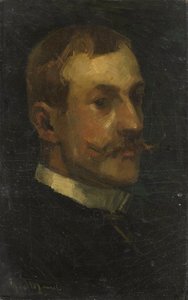
marinus van der maarel
1857 - 1921 , Netherlands
Quick Facts
- Artistic Movement Or Style: Hague School art
- Artists Who Influenced This Artist: ['Willem Maris']
- Date Of Birth: 1857
- Date Of Death: 1921
- Full Name: Marinus van der Maarel
- Nationality: Dutch
- Place Of Birth: The Hague, Netherlands