 Preview
 Send
Send Share
Share
 Details

 Download
 Similars
 X-Ray
X-Ray Diaporama
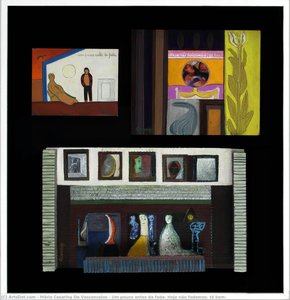
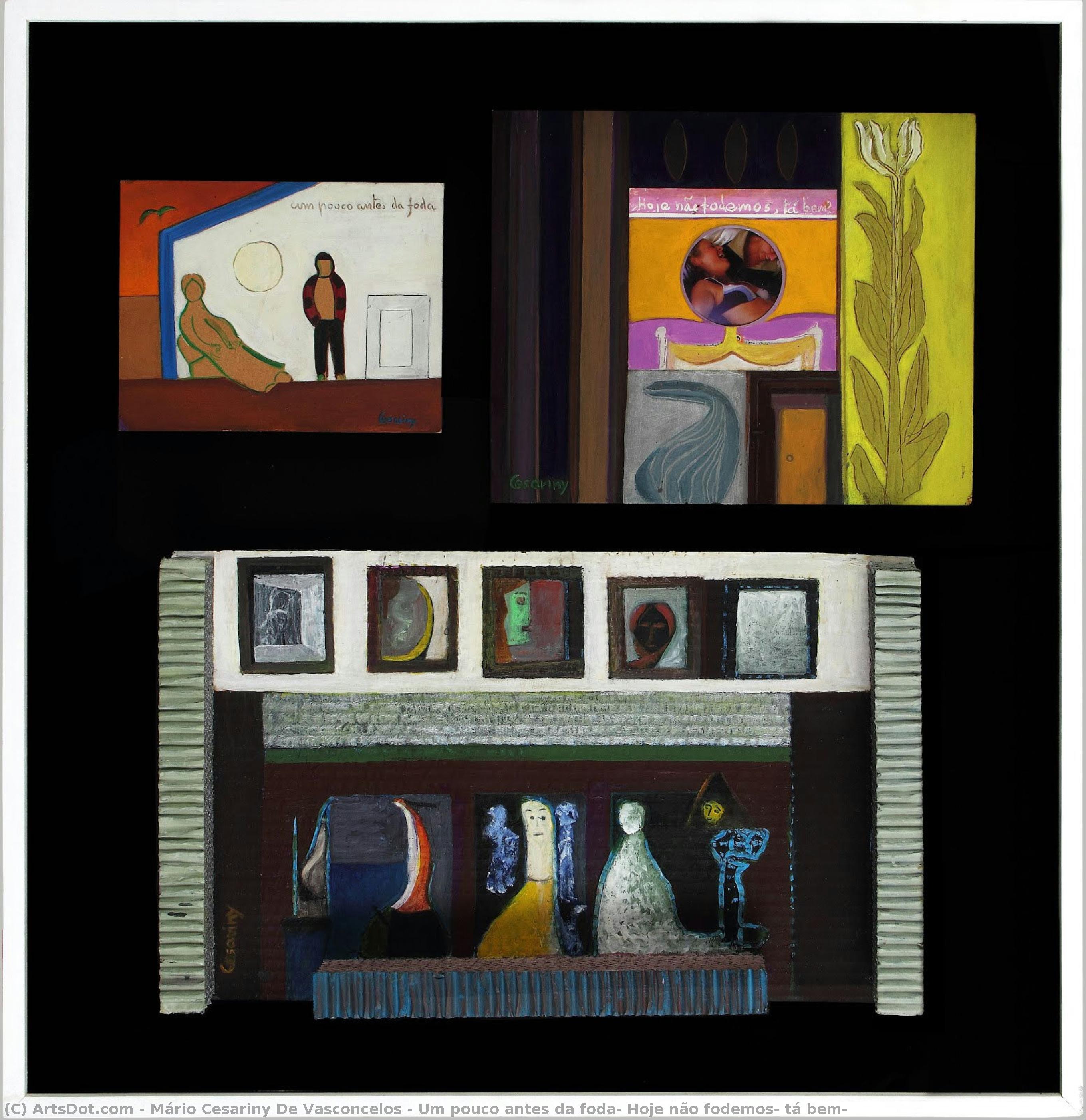
Um pouco antes da foda/ Hoje não fodemos, tá bem?
 Mixed Media
- WallArt
- Surrealist Collage
 Modern
 74.0 x 71.0 cm
 Rede Portuguesa de Arte Contemporânea a Norte
 Read More
Giclée / Art Print
Museum-quality giclée or canvas print with fast production and flexible finish options. ( Buy Hand Made Painting Buy Image)




P118B $10

P118H $10

P118W $10

P438Z $10

P508JH $12

P508YH $12

P805H $10

P805Z $10

P919BZ $10

P919G $10

P919XJ $10

P959ZH $10

P968JZ $12

W106C $8

W218G $10

W218JH $8

W218Y $10

W307PJ $10

W316G $10

W316PJ $8

W316Y $10

W398PJ $8

W4111J $10

W500HY $15

W500JH $15

W692G $12

W849H $8

W940BG $15

W953PJ $8




Pick from our preset sizes that match the artwork's original proportions.

You may enter your own dimensions to fit a specific frame or space. If your selected size does not match the original image's proportions, we will either crop the artwork or extend the image with a mirrored or solid-fill edge. A digital mockup will be sent for your approval before production begins.
Please note that the on-screen preview does not reflect the actual cropping or extension. Only the mockup will accurately show the final composition.
While custom sizes are available, we recommend selecting a dimension from the predefined list to preserve the original proportions.
Worldwide Delivery () in 2 weeks instead of standard 4/5 weeks. (1 September)

Free Worldwide Express Shipping

High-Quality Linen Canvas

Full Shipping Insurance

Customs Tax Refund Guarantee

True Color Matching Guarantee

60-Day Return Policy (Defects Only)

100% Money-Back Guarantee

Bulk Discount Offer
 Glass option is only available in size under 110 CM

Um pouco antes da foda/ Hoje não fodemos, tá bem?
Giclée / Art Print
Reproduction Size
-


Total Price
$ 63
A Fragmented Tapestry of Surrealist Memory
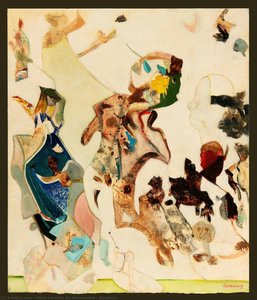
In the evocative masterpiece “Um pouco antes da foda/ Hoje não fodemos, tá bem?”, Mário Cesariny de Vasconcelos invites the viewer into a labyrinthine world where memory and provocation collide. This complex mixed-media collage serves as much more than a mere visual assemblage; it is a profound meditation on the fragmented nature of human recollection and the enduring spirit of resistance. Through a carefully curated collection of portraits and stylized figures, Cesariny constructs a layered narrative that feels like peering into a dreamscape or an old, rediscovered scrapbook of the subconscious. The composition, arranged with an unsettling yet captivating asymmetry, presents a seriesed of vignettes—some intimate, some assertive—that seem to float within a framework reminiscent of a mantelpiece, anchoring the ephemeral imagery to a sense of domesticity that is simultaneously familiar and deeply strange.
The technique employed by Cesariny is a masterful defiance of artistic boundaries. By seamlessly blending figurative painting, intricate drawing, and the tactile layering of collage, he achieves an aesthetic that oscillates between meticulous detail and dreamlike abstraction. Each element within the work possesses its own internal logic and perspective, yet they are unified through a shared sense of tension and movement. The artist utilizes lines not only to define the contours of his subjects but to demarcative the borders between disparate realities, guiding the eye across a surface where textures vary from smooth, painterly strokes to the raw, gritty edges of paper fragments. For the discerning collector or interior designer, this work offers a rich, multi-dimensional visual experience that rewards prolonged contemplation and provides a sophisticated focal point for any curated space.
Subversion Amidst Silence
To understand the emotional weight of this piece, one must look toward the historical shadows cast by Salazar’s repressive regime in Portugal. Created during a period of intense censorship and ideological control, the artwork functions as a silent but potent rebellion. The provocative title—translating roughly to “Just before the fuck/ Today we don't fuck”—serves as a deliberate challenge to the authoritarian dogma of the era, utilizing suggestion and linguistic play to reclaim a sense of agency and desire. Within this climate of political oppression, Cesariny’s use of imagery becomes a subversive tool; the figures within the collage, standing near doorways or lost in contemplation, embody the anxieties and the quiet aspirations of an intellectual class grappling with the constraints of their time.
The symbolism embedded within the work is as elusive as it is haunting. The arrangement suggests a sense of looking back—a reconstruction of a legacy that has been fractured by time and politics. There is a palpable tension between the desire for intimacy and the reality of repression, mirrored in the way the individual artworks are juxtaposed against one another. For those seeking to bring a piece of art history into their homes, this reproduction offers more than just aesthetic beauty; it provides an emotional resonance that speaks to the resilience of the human spirit. It is a work that does not merely decorate a room but transforms it, injecting a sense of historical depth, intellectual intrigue, and a timeless, surrealist wonder.
Related Artworks
Artist Biography
Mário Cesariny de Vasconcelos: A Surrealist Poet and Painter of Portugal
Born in Lisbon, Portugal, on August 9th, 1923, into a family marked by both privilege and quiet turmoil, Mário Cesariny de Vasconcelos emerged as one of the most distinctive voices of Portuguese surrealism. His life, inextricably linked to the political landscape of his nation – particularly under the authoritarian rule of António de Oliveira Salazar – fueled a rebellious spirit that permeated his art, poetry, and ultimately, his very being. More than just an artist, Cesariny was a chronicler of his time, a subversive voice challenging societal norms through dreamlike imagery and provocative verse.
Cesariny’s early life wasn't defined by idyllic comfort. His father, Viriato de Vasconcelos, a skilled goldsmith, and his mother, María de las Mercedes Cesariny, a Spanish woman of French descent, experienced marital difficulties that cast a shadow over the family home. This atmosphere of instability profoundly shaped young Mário’s perspective, fostering a sense of alienation and a desire to escape the confines of conventional expectations. He found solace in art from an early age, developing a natural talent for drawing and painting – skills he honed largely through self-study, inspired by visits to the Gulbenkian Museum Foundation in Lisbon, a treasure trove of artistic heritage.
The Surrealist Awakening and Lisbon’s Underground
Cesariny's immersion into the surrealist movement began around 1945 or 1946, sparked by his discovery of Maurice Nadeau’s *History of Surrealism*. This seminal work introduced him to the principles of automatic writing and dream imagery – techniques that resonated deeply with his own rebellious sensibilities. He quickly joined the burgeoning Lisbon Surrealist Group, led by Alexandre O'Neill, becoming a central figure in Portugal’s surrealist scene. This group operated largely underground, challenging the conservative values of Salazar’s regime through their art and poetry. The political climate demanded secrecy; any overt expression of dissent could lead to severe repercussions from the PIDE (Portuguese Secret Police).
The period between 1960 and 1974 was particularly fraught for Cesariny. His outspoken views, coupled with his homosexuality – a taboo subject in Portugal at the time – made him a target of surveillance by the PIDE. He frequently found himself on the police’s radar, forced to live under constant threat and often seeking refuge in exile in Great Britain and France. Despite these pressures, he continued to create, using his art as a form of resistance—a defiant assertion of freedom against oppression.
A Poetic and Pictorial Universe
Cesariny’s artistic output spanned both poetry and painting, though his poetic work ultimately became more widely recognized. His poems are characterized by their dreamlike quality, often blending personal experiences with social commentary and surrealist imagery. Recurring themes include love, freedom, and the absurdity of existence—all viewed through a lens of critical observation. Titles like “you are welcome to elsinore” reveal his willingness to confront uncomfortable truths about Portuguese society under Salazar’s rule.
His paintings, while less frequently exhibited than his poetry, are equally compelling. Rather than adhering to traditional painting techniques, Cesariny employed collage, assemblage, and found objects to create layered, evocative works that defy easy categorization. He described his artistic process as a circular one—poetry informing painting, and vice versa—a testament to the interconnectedness of his creative endeavors. Notable works include “Untitled (DD2CNP)” and “National Theatre and Dance Museum,” both showcasing his distinctive use of color, texture, and symbolic imagery.
Legacy and Recognition
Mário Cesariny de Vasconcelos passed away on November 26th, 2006, leaving behind a rich legacy as a poet and painter who challenged the status quo. His work continues to resonate with audiences today, offering a poignant reflection on themes of freedom, identity, and the complexities of human experience. His contributions have been acknowledged by platforms like ArtsDot.com and featured in collections such as the National Theatre and Dance Museum in Lisbon and the Rede Portuguesa de Arte Contemporânea a Norte in Porto. Cesariny’s art remains a vital part of Portuguese cultural heritage—a testament to the power of creativity to transcend political boundaries and inspire generations.
Important Dates
- August 9, 1923 (Birth)
- November 26, 2006 (Death)
Notable Works
- Untitled (DD2CNP)
- National Theatre and Dance Museum
Museums and Collections
- National Theatre and Dance Museum, Lisbon, Portugal
- Rede Portuguesa de Arte Contemporânea a Norte, Porto, Portugal
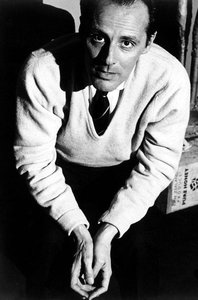
mário cesariny de vasconcelos
1923 - 2006 , Portugal
Quick Facts
- Artistic Movement Or Style: Surrealism, Poetry
- Artists Or Movements Influenced By This Artist:
- Alexandre O'Neill
- João Artur da Silva
- Artists Who Influenced This Artist:
- André Breton
- Fernando Lopes Graça
- Date Of Birth: August 9, 1923
- Date Of Death: November 26, 2006
- Full Name: Mário Cesariny de Vasconcelos
- Nationality: Portuguese
- Notable Artworks:
- Untitled (DD2CNP)
- National Theatre and Dance Museum
- Um pouco antes da foda/ Hoje não fodemos, tá bem?
- Place Of Birth: Lisbon, Portugal
Related Articles
Surrealism's Greatest Hits: 10 Masterpieces for Your Home |
Journey into the dreamlike world of Surrealism! Explore 10 masterpieces by Dali, Magritte & Miró. Discover the stories behind these iconic paintings and find museum-quality art reproductions for your home at .
Max Ernst's Masterpieces: 25 Surreal Visions for Art Lovers & Home Decor
Journey into the surreal world of Max Ernst! Explore 25 iconic paintings, from Dada to abstract expressionism. Discover the stories behind his masterpieces & find museum-quality art reproductions for your home decor at ArtsDot.com.
Dreamscapes & Disrupted Realities: Exploring Surrealism's Enduring Influence
Explore the fascinating world of Surrealism! Discover its origins, key artists like Dalí & Magritte, and enduring influence on art & culture. Expert insights & high-quality reproductions at ArtsDot.
Pop Surrealism: A Collision of Culture, Dreams & the Subconscious in Post-War Art
Explore the captivating world of Pop Surrealism with ArtsDot. Discover key artists like George Condo & Robert Williams, investment potential, and the movement's cultural impact. Expert insights for collectors.
Salvador Dalí's Masterpieces: 25 Surrealist Visions for Your Home | ArtsDot
Journey into the surreal world of Salvador Dalí! Explore 25 iconic paintings—from 'The Persistence of Memory' to his boldest creations. Discover the stories behind these masterpieces & find museum-quality art reproductions for your home at ArtsDot.com.