

 Preview
 Send
Send Share
Share
 Details

 Download
 Similars
 X-Ray
X-Ray Diaporama
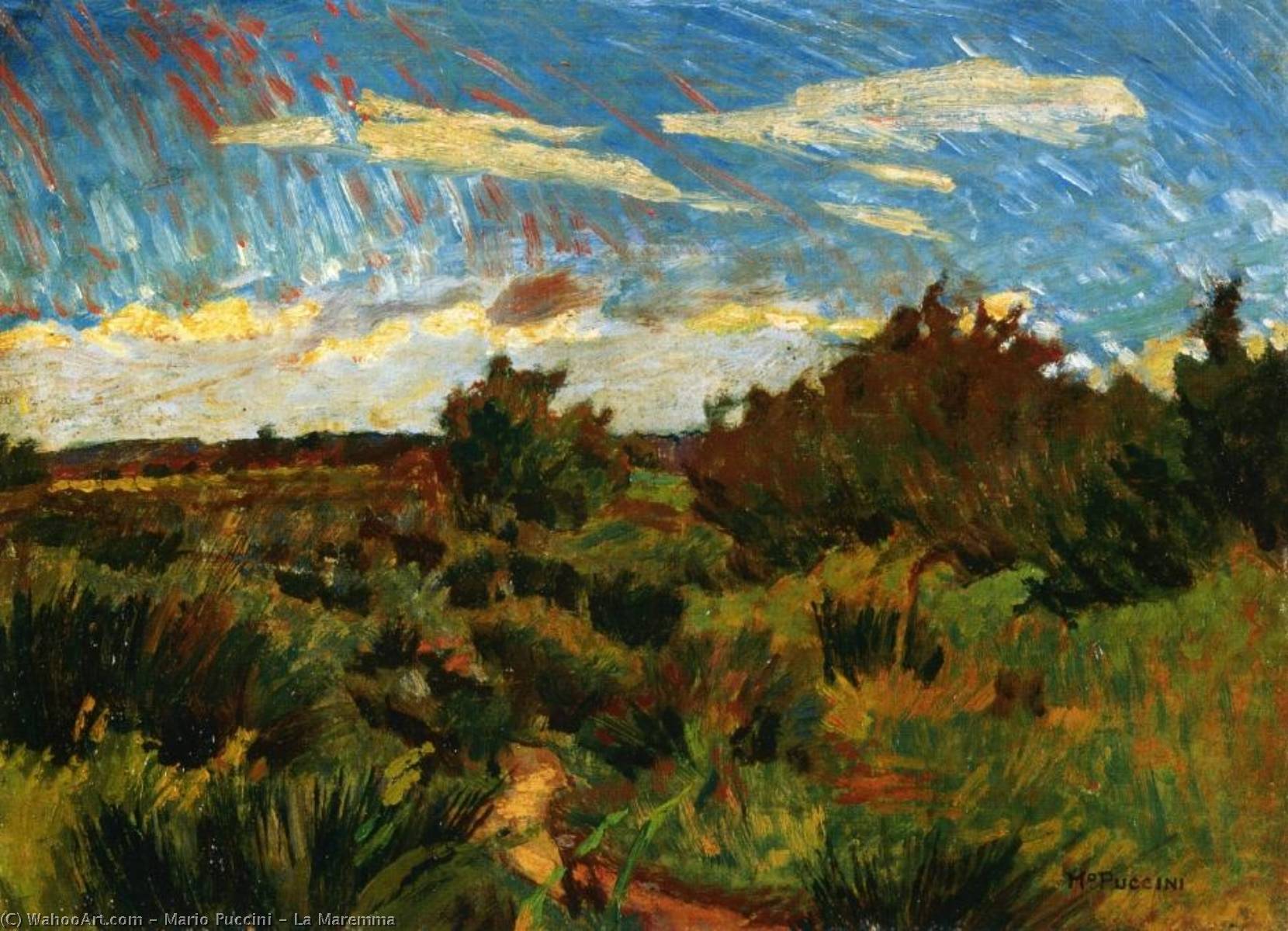
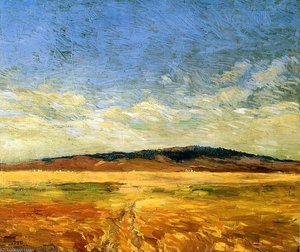
La Maremma
 Read More
Purchase a high-resolution, enhanced digital image, far superior to the online preview.
Each file is meticulously prepared by our in-house specialists using advanced tools and expert manual retouching. We ensure every image has exceptional clarity, precise color accuracy, and fine detail.
The final file is delivered via email within 72 hours, optimized for immediate use in professional, editorial, and print environments. This is the same quality trusted by top-tier design studios, publishers, and galleries.
Digital Image
Download a high-resolution file for personal display, printing, and creative projects. ( Buy Print Buy Hand Made Painting)
Included in Every Digital Image Order
Expert Digital Delivery, Guaranteed
When you choose ArtsDot.com, you're not just getting an image - you're receiving a professionally enhanced digital artwork, crafted with precision and backed by a satisfaction guarantee. Here's everything that comes with your order, automatically:

Fast Email Delivery
Your high-resolution digital image file will be emailed to you within 72 hours of ordering - ready for immediate use.

AI-Enhanced Digital File
Your artwork is professionally optimized using advanced AI tools and manual editing, ensuring maximum detail, clarity, and color accuracy.

Free Lifetime Re-Delivery
Accidentally deleted or lost your file? No worries - we'll resend it to you anytime, free of charge.

No Import Fees - Ever
Enjoy your artwork instantly with zero customs, duties, or delivery fees - digital downloads are always tax-free.

Color Accuracy Guarantee
We ensure your digital image reflects the original colors as closely as possible using professional tools and color management.

60-Day Satisfaction Guarantee
If you're not satisfied with your digital image, we'll revise it or refund 100% within 60 days - no questions asked.

100% Money-Back Guarantee
Not satisfied? Get a full refund within 60 days of receiving your digital file - no questions asked.

Bulk Order Discounts
Buy 3 images, save 10% - Buy 5, save 15% - Buy 10+, save 20%. Great for creative projects, galleries, and agencies.
Related Artworks
Artist Biography
Mario Puccini: The Italian Van Gogh – A Landscape Painter’s Turbulent Genius
Mario Puccini (1869-1920) stands as a singular figure in Italian Post-Impressionism, often dubbed “The Italian Van Gogh” due to his distinctive style and the profound impact of mental illness on his artistic output. Born in Livorno, Tuscany, he emerged from humble beginnings – his father was a baker – yet possessed an innate talent that defied societal expectations and propelled him toward a remarkable creative journey. His early life was marked by sketching as a hobby, nurtured by Giovanni Fattori, who recognized Puccini’s potential and encouraged him to pursue formal artistic training at the Accademia di Belle Arti di Firenze in 1884. This formative period instilled in him the foundational principles of Impressionism and Naturalism, notably influenced by Silvestro Lega, shaping his initial artistic vision.- Early Influences: Fattori’s guidance combined with Lega's stylistic considerations established Puccini’s grounding in traditional academic painting while simultaneously exposing him to the burgeoning avant-garde movements of the time.
- The Macchiaioli Movement: Puccini joined the Macchiaioli group, a collective dedicated to capturing fleeting moments of rural life with bold brushstrokes and vibrant color palettes—a deliberate rejection of photographic realism.
- Psychiatric Crisis & Artistic Transformation: The hospitalization profoundly impacted Puccini’s psyche and fueled his artistic experimentation, resulting in a stylistic divergence from the Macchiaioli aesthetic.
- Divisionist Technique: Puccini perfected Divisionism, applying pigment in small dots or dashes to create textured surfaces and capturing atmospheric nuances with unparalleled sensitivity.
- Florence & Artistic Community: Puccini's engagement with Florentine artistic circles fostered collaboration and intellectual exchange, enriching his creative vision.
- Influence of Cézanne: Puccini’s admiration for Cézanne profoundly impacted his compositional choices and use of geometric forms—a testament to his enduring fascination with modern art.
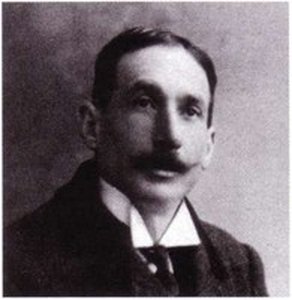
Mario Puccini
1869 - 1920
Quick Facts
- Artistic Movement Or Style: Post-Impressionism; Divisionism
- Artists Or Movements Influenced By This Artist: ['Paul Cézanne']
- Artists Who Influenced This Artist:
- Giovanni Fattori
- Silvestro Lega
- Date Of Birth: 1869
- Date Of Death: 1920
- Full Name: Mario Puccini
- Nationality: Italian
- Notable Artworks:
- Paese Gabbro
- Campagna a Digne
- Mercato dei montoni
- Place Of Birth: Livorno, Italy

