 Preview
 Send
Send Share
Share
 Details

 Download
 Similars
 X-Ray
X-Ray Diaporama
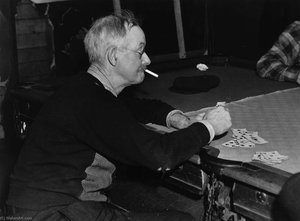
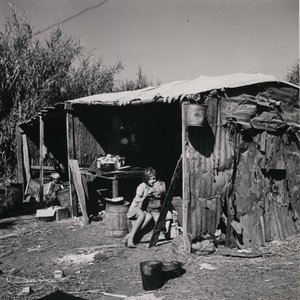
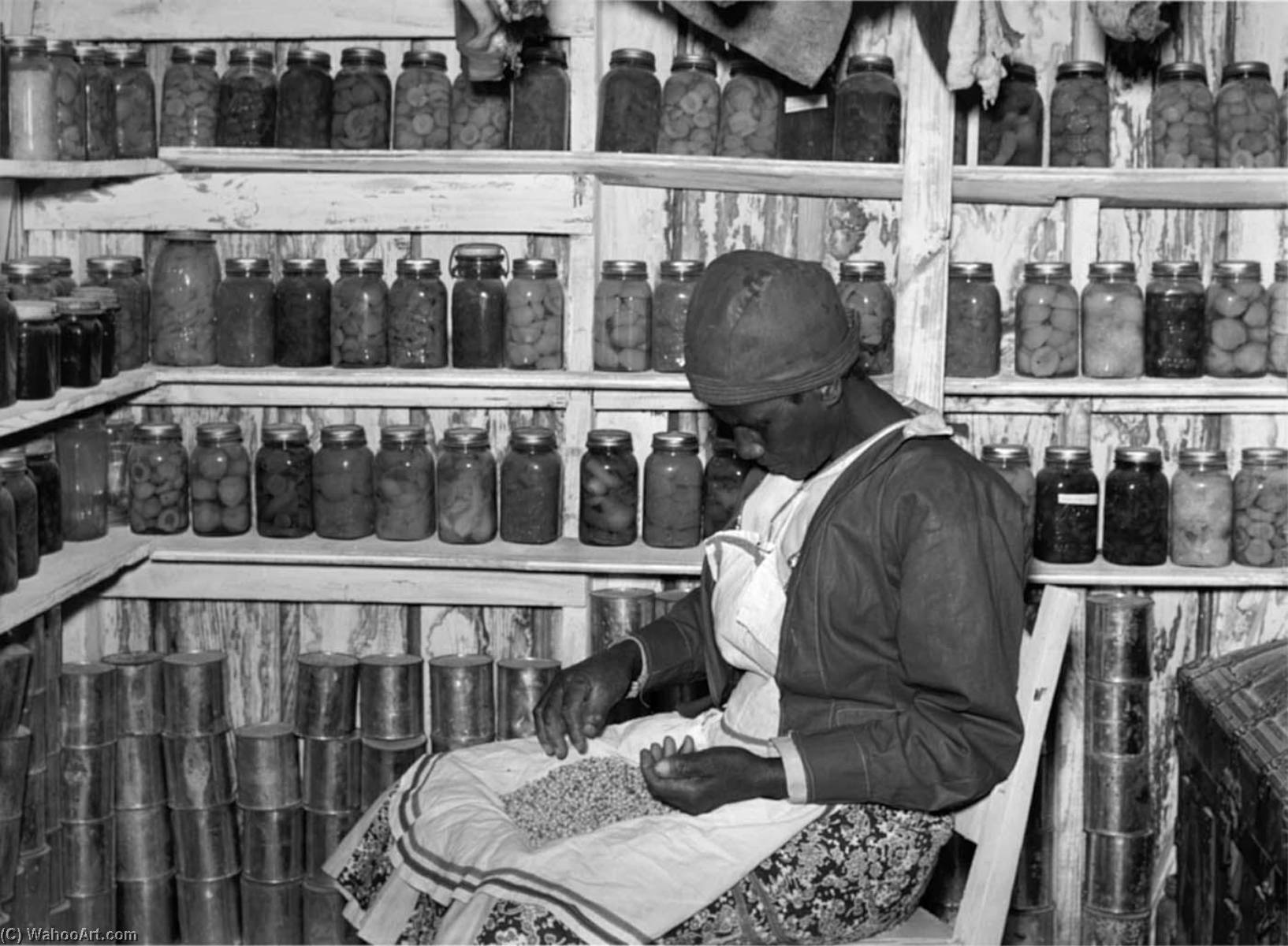
Jorena Pettway sorting peas inside her smokehouse. She still has many fruits and vegetables, which she canned last year, on the shelves around her. Gee's Bend, Alabama
 1939
1939 28.0 x 36.0 cm
 Read More
Hand Made Oil Reproduction
Hand-painted oil on canvas in your size and frame, made to order by our artists. ( Buy Print Buy Image)




































Pick from our preset sizes that match the artwork's original proportions.

You may enter your own dimensions to fit a specific frame or space. If your selected size does not match the original image's proportions, we will either crop the artwork or extend the painting with additional hand-painted elements. A digital mockup will be sent for your approval before production begins.
Please note that the on-screen preview does not reflect the actual cropping or extension. Only the mockup will accurately show the final composition.
While custom sizes are available, we recommend selecting a dimension from the predefined list to preserve the original proportions.
After order, ArtsDot.com team will email client for instructions and provide a mockup preview
Worldwide Delivery () in 3/4 weeks instead of standard 5 weeks. (17 August). No compromise on quality.

Free Worldwide Express Shipping

High-Quality Linen Canvas

Full Shipping Insurance

Customs Tax Refund Guarantee

True Color Matching Guarantee

60-Day Return Policy (Defects Only)

100% Money-Back Guarantee

Bulk Discount Offer
 Glass option is only available in size under 110 CM

Jorena Pettway sorting peas inside her smokehouse. She still has many fruits and vegetables, which she canned last year, on the shelves around her. Gee's Bend, Alabama
Reproduction Medium
Reproduction Size
-


Total Price
$ 263
Related Artworks
Artist Biography
The Genesis of a Visionary Eye
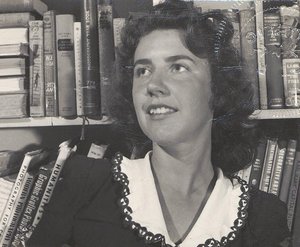
Born in the quiet enclave of Montclair, New Jersey, Marion Post Wolcott’s journey toward becoming one of America's most poignant visual chroniclers was shaped by a childhood of both artistic richness and personal upheaval. Growing up amidst the vibrant, bohemian atmosphere of Greenwich Village after her parents' divorce, she was immersed in a world where music and dance were not merely entertainments but vital expressions of the human spirit. This early exposure to the arts instilled in her a profound sensitivity to rhythm and emotion—a quality that would later define her photographic compositions.Her studies at the New School further refined this aesthetic sensibility, yet it was her encounter with the work of Viennese photographer Trude Fleischmann that truly ignited her technical passion. As the shadows of Nazi persecution loomed over Europe, Wolcott’s return to the United States was marked by a burgeoning awareness of the world's fragility, setting the stage for a career dedicated to documenting the raw, unvarnished truths of the American experience.
Documenting Dignity Amidst Desolation
When Wolcott joined the Farm Security Administration in the late 1930s, she stepped into a landscape of profound economic devastation. Her lens became a tool for social justice, capturing the quiet resilience of those caught in the grip of the Great Depression. Unlike some of her contemporaries who focused solely on the tragedy of poverty, Wolcott possessed a unique ability to find dignity within the struggle. Whether she was documenting the weary strength of black workers in rural fields or the heavy burdens carried by women in Natchez, Mississippi, her images transcended mere reportage.Her work in the Jim Crow South provided an unflinching look at systemic inequality, yet she approached her subjects with an unwavering empathy that prevented her photos from becoming purely exploitative. Through her camera, the struggle for survival was elevated to a narrative of human endurance, turning the dust and hardship of the American South into a powerful testament to the strength of the human soul.
A Lasting Legacy of Social Realism
The technical mastery of Wolcott’s work lies in its stark, silver gelatin simplicity. Utilizing the profound emotional weight of black and white photography, she stripped away the distractions of color to focus on texture, light, and expression. Her compositions were often direct and unpretentious, mirroring the honesty of her subjects. Through her involvement with the New York Photo League alongside luminaries like Paul Strand and Ralph Steiner, she helped shape the movement of social realism in American photography.- Historical Significance: Her FSA archive remains an essential primary source for studying the Great Depression and the Jim Crow era.
- Artistic Influence: She pioneered a style of documentary photography that balances journalistic truth with poetic composition.
- Humanitarian Impact: Her work brought the overlooked realities of rural America to the forefront of national consciousness.
Marion Post Wolcott
1910 - 1990
Quick Facts
- Artistic Movement Or Style: Documentary Photography
- Artists Or Movements Influenced By This Artist: ['Farm Security Administration']
- Artists Who Influenced This Artist: ['Trude Fleischmann']
- Date Of Birth: June 7, 1910
- Date Of Death: November 24, 1990
- Full Name: Marion Post Wolcott
- Nationality: American
- Notable Artworks:
- Lake Providence Grocery
- Two Negro women carrying packages
- Place Of Birth: New Jersey