 Preview
 Send
Send Share
Share
 Details

 Download
 Similars
 X-Ray
X-Ray Diaporama
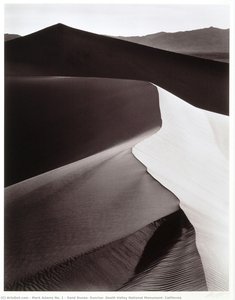
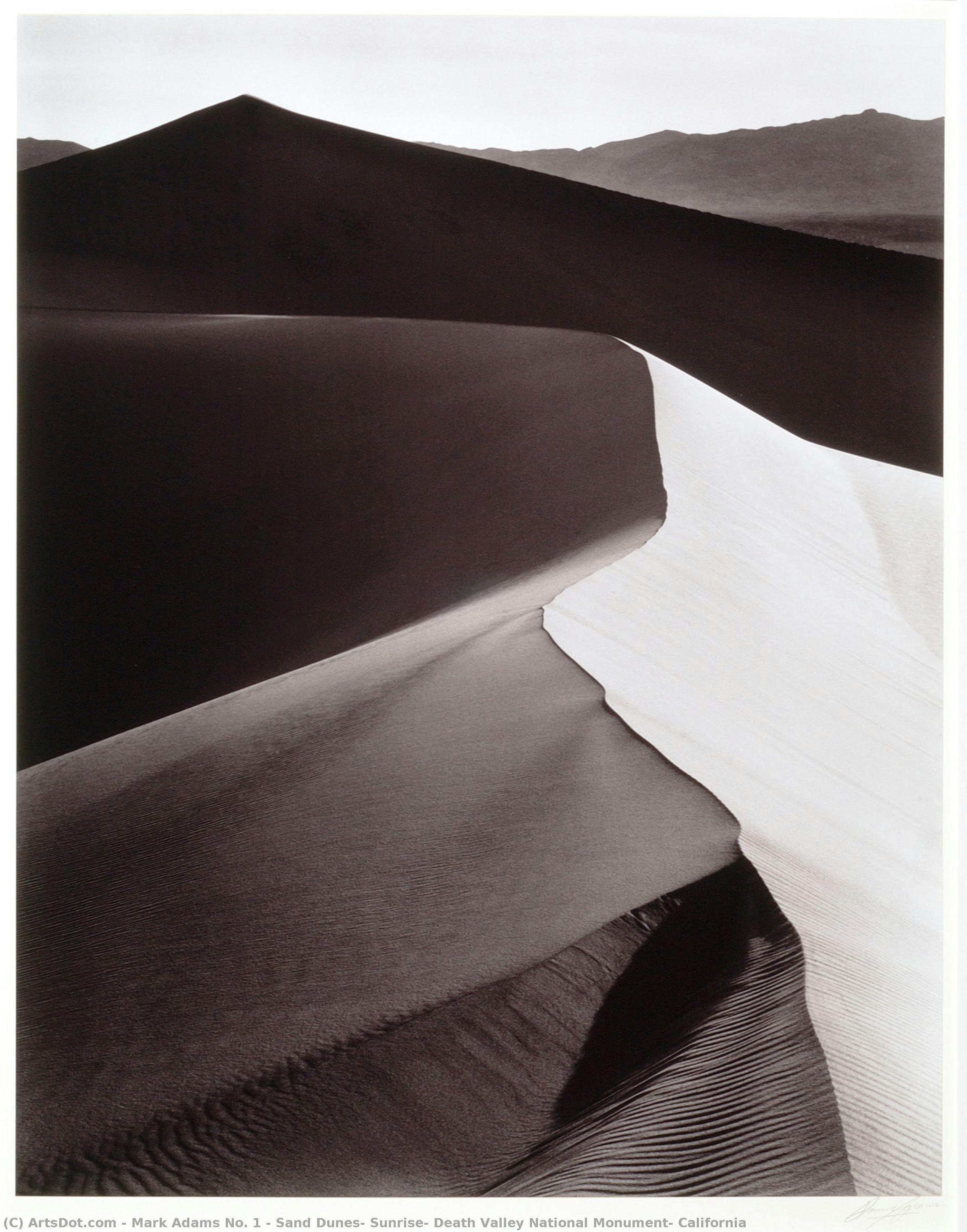
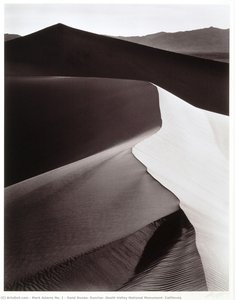
Sand Dunes, Sunrise, Death Valley National Monument, California

 Read More
Giclée / Art Print
Museum-quality giclée or canvas print with fast production and flexible finish options. ( Buy Hand Made Painting Buy Image)




































Pick from our preset sizes that match the artwork's original proportions.

You may enter your own dimensions to fit a specific frame or space. If your selected size does not match the original image's proportions, we will either crop the artwork or extend the image with a mirrored or solid-fill edge. A digital mockup will be sent for your approval before production begins.
Please note that the on-screen preview does not reflect the actual cropping or extension. Only the mockup will accurately show the final composition.
While custom sizes are available, we recommend selecting a dimension from the predefined list to preserve the original proportions.
Worldwide Delivery () in 2 weeks instead of standard 4/5 weeks. (27 August)

Free Worldwide Express Shipping

High-Quality Linen Canvas

Full Shipping Insurance

Customs Tax Refund Guarantee

True Color Matching Guarantee

60-Day Return Policy (Defects Only)

100% Money-Back Guarantee

Bulk Discount Offer
 Glass option is only available in size under 110 CM

Sand Dunes, Sunrise, Death Valley National Monument, California
Giclée / Art Print
Reproduction Size
-


Total Price
$ 63
Related Artworks






Artist Biography
A Vision of Infinite Horizons: The Legacy of Mark Adams No. 1
In the vast and often overwhelming history of photographic art, few figures have commanded the landscape with such singular, expansive intent as Mark Adams No. 1. Born in Germany, this pioneer of the panoramic medium transformed the way we perceive the earth's most majestic vistas. While his contemporaries were often preoccupied with the intimate details of portraiture or the fleeting nuances of light in traditional landscapes, Adams sought something much more profound: the capture of the infinite. His work does not merely document a location; it invites the viewer to step into an immersive journey, where the boundaries of the frame seem to dissolve into the very essence of the terrain itself.
The foundations of his artistic mastery were laid during a childhood spent wandering the German countryside. These early years provided him with an instinctive, almost primal understanding of light, color, and the complex geometry of nature. This deep-seated connection to the environment would later become the heartbeat of his photographic practice. As he matured, Adams moved beyond simple observation, driven by a restless desire to push the technical limits of his era. During the late 19th century, a period marked by an intense fascination with panoramic imagery, he emerged as a true innovator, experimenting tirelessly with complex camera designs and intricate printing processes to achieve a scale and clarity that had previously been thought impossible.
The Art of the Panorama: Technique and Transcendence
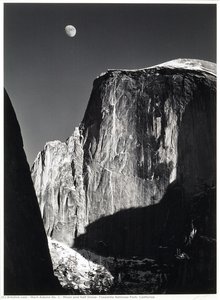
What truly distinguishes the oeuvre of Mark Adams No. 1 is the seamless marriage of technical rigor and poetic sensibility. He was not content with the standard photographic perspectives of his time; instead, he pursued a method that allowed for an unprecedented breadth of view. His mastery of the panoramic format required a meticulous attention to detail that could withstand the scrutiny of such massive compositions. Whether capturing the sun-drenched, undulating textures of the Sand Dunes in Death Valley National Monument or the ethereal, moonlit majesty of Half Dome in Yosemite, his work maintains a breathtaking level of precision across every inch of the frame.
His artistic style is characterized by an almost tactile quality, where the viewer can sense the heat of the desert or the cool mist of a mountain peak. This was achieved through a dedicated commitment to the craft, often employing demanding techniques that required him to be as much an engineer as an artist. Through his lens, the landscape becomes more than just scenery; it becomes a character in its own right, possessing a sense of history and presence. His ability to manipulate light and composition within such a wide field of view allowed him to create works that feel both monumental and deeply personal, bridging the gap between the physical world and the human experience of awe.
Historical Significance and Lasting Impact
The historical importance of Mark Adams No. 1 lies in his role as a bridge between traditional landscape documentation and the modern era of immersive visual storytelling. By elevating panoramic photography to a respected fine art genre, he expanded the vocabulary of the medium, proving that scale could be used to enhance, rather than diminish, the emotional resonance of an image. His explorations of iconic North American and European landscapes helped to shape the global perception of these natural wonders, turning distant territories into shared visual experiences.
Today, his legacy continues to inspire those who seek to capture the grandeur of our world. He remains a symbol of the artist as a pioneer—someone willing to embrace the challenges of new technology to reveal truths about the beauty of our planet. His work stands as a testament to the power of activated observation, reminding us that when we truly look at the horizon, we find not just a boundary, but an invitation to explore the infinite wonders of the natural world.
mark adams no. 1
Germany
Quick Facts
- Artistic Movement Or Style: Contemporary Landscape Photography
- Date Of Birth: Living
- Full Name: Mark Adams
- Nationality: German
- Notable Artworks:
- Nine Fathoms Passage
- Sand Dunes, Sunrise, Death Valley National Monument
- Place Of Birth: Germany