

 Preview
 Send
Send Share
Share
 Details

 Download
 Similars
 X-Ray
X-Ray Diaporama
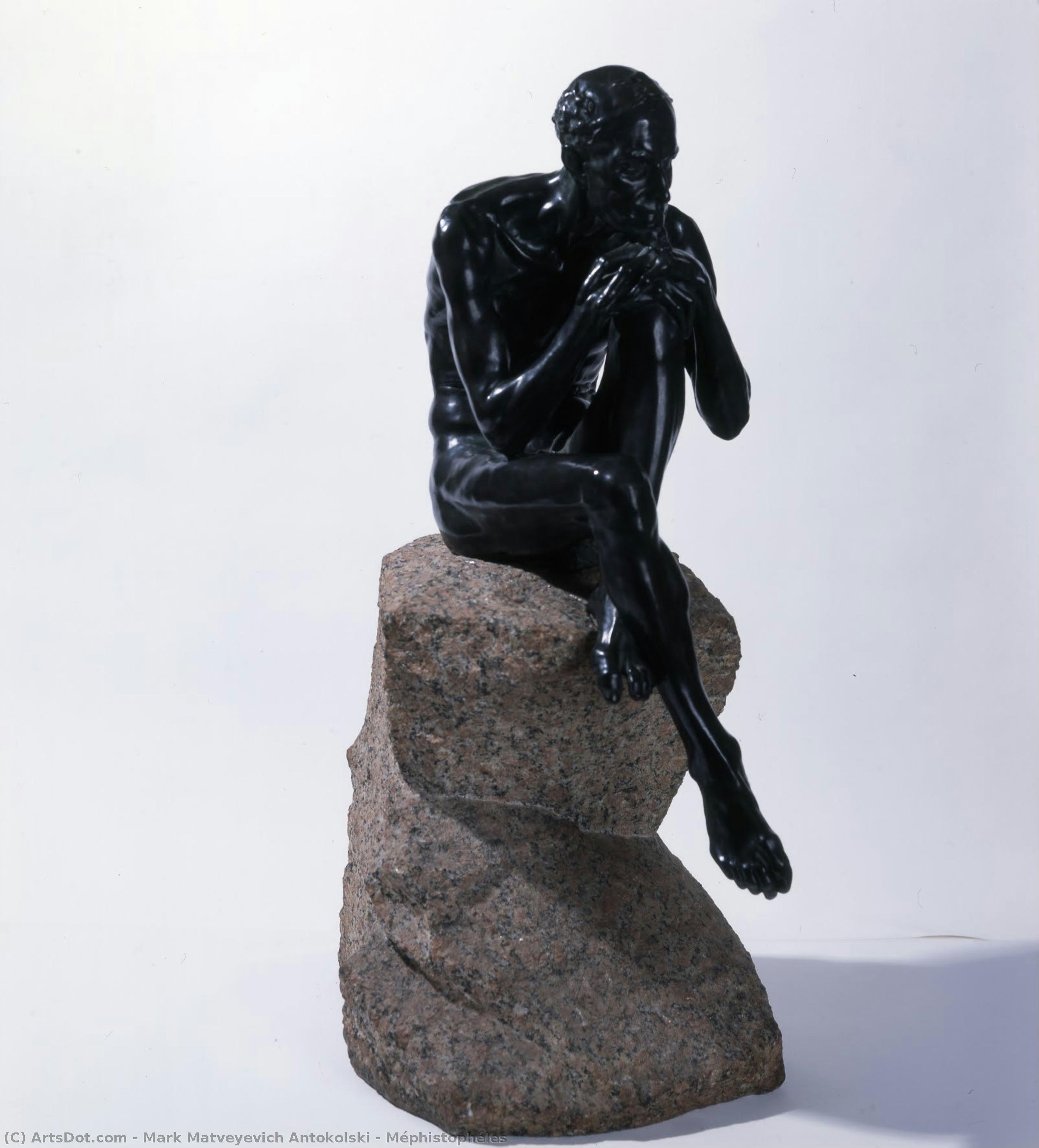
Méphistophéles
 1880
1880 87.0 x 52.0 cm
 Zimmerli Art Museum at Rutgers University
 Read More
Hand Made Oil Reproduction
Hand-painted oil on canvas in your size and frame, made to order by our artists. ( Buy Print Buy Image)




































Pick from our preset sizes that match the artwork's original proportions.

You may enter your own dimensions to fit a specific frame or space. If your selected size does not match the original image's proportions, we will either crop the artwork or extend the painting with additional hand-painted elements. A digital mockup will be sent for your approval before production begins.
Please note that the on-screen preview does not reflect the actual cropping or extension. Only the mockup will accurately show the final composition.
While custom sizes are available, we recommend selecting a dimension from the predefined list to preserve the original proportions.
After order, ArtsDot.com team will email client for instructions and provide a mockup preview
Worldwide Delivery () in 3/4 weeks instead of standard 5 weeks. (18 August). No compromise on quality.

Free Worldwide Express Shipping

High-Quality Linen Canvas

Full Shipping Insurance

Customs Tax Refund Guarantee

True Color Matching Guarantee

60-Day Return Policy (Defects Only)

100% Money-Back Guarantee

Bulk Discount Offer
 Glass option is only available in size under 110 CM

Méphistophéles
Reproduction Medium
Reproduction Size
-


Total Price
$ 263
Related Artworks
Artist Biography
Mark Antokolsky: Sculptor of Emotion and Identity
Mark Matveyevich Antokolsky (1840-1902) stands as a pivotal, yet often overlooked, figure in 19th-century Russian sculpture. Born into a modest Jewish family in Vilnius—a city steeped in history and layered with cultural complexities—Antokolsky’s life was one of both artistic triumph and personal struggle. His work transcends mere representation; it delves into the depths of human emotion, grappling with themes of faith, power, and social injustice, all while navigating the constraints and prejudices of his time. He wasn't simply a sculptor; he was an explorer of identity, forging a unique path that blended Russian imperial traditions with deeply personal Jewish heritage.
Antokolsky’s early years were marked by hardship and a profound sense of displacement. His family, struggling within the confines of the Pale of Settlement, instilled in him a quiet resilience and a keen awareness of social inequality. The very act of pursuing art was considered unconventional for a young Jewish man; artistic training was often viewed with suspicion, and opportunities were severely limited. Despite these obstacles, Antokolsky’s innate talent shone through, initially manifesting in playful sketches on walls and furniture – a rebellious expression of his creative spirit quickly suppressed by his father's disapproval. This early experience shaped his later work, imbuing it with a raw intensity and a willingness to confront difficult subjects.
The Academy and Early Themes
Antokolsky’s formal artistic education began at the Imperial Academy of Arts in St. Petersburg in 1862. His admission as a *volnoslushatel* – an observer rather than a fully enrolled student – reflected the limited opportunities available to Jewish artists. However, this didn't deter him; he immersed himself in his studies, diligently copying antique sculptures and honing his skills under the tutelage of various instructors. A turning point arrived with his 1864 exhibition, where his high relief “Jewish Tailor” and “A Stingy Man” garnered critical acclaim, particularly from Vladimir Stasov, who lauded their "truthful portrayal" and challenged conventional artistic norms. These early works established Antokolsky’s reputation as a sculptor capable of capturing the nuances of everyday life and exploring themes of social commentary – a bold move for a Jewish artist in a predominantly conservative art world.
The “Jewish Tailor” was particularly significant, marking one of the first instances where a Jewish subject was depicted with dignity and complexity within Russian sculpture. It broke from stereotypical representations and offered a glimpse into the lives of ordinary Jews, challenging prevailing prejudices. The "Stingy Man" further explored themes of avarice and social critique, demonstrating Antokolsky’s growing artistic maturity and his willingness to engage with broader societal issues.
Ivan the Terrible: A Defining Masterpiece
1870 proved to be a watershed year for Antokolsky. His monumental sculpture of Ivan the Terrible—commissioned by Emperor Alexander II—became an instant sensation, catapulting him to national prominence. The sheer scale and emotional power of the work were unprecedented; it wasn’t merely a portrait but a visceral depiction of the Tsar's tormented psyche. The statue’s success was not without controversy, as some critics questioned its realism and its portrayal of a historical figure. However, Antokolsky remained steadfast in his artistic vision, believing that sculpture should be both aesthetically pleasing and emotionally resonant.
The commission for “Ivan the Terrible” also brought significant financial rewards, allowing Antokolsky to purchase a house in Vilnius—a symbolic return to his roots and a testament to his newfound success. This period marked a shift in his artistic focus, as he began to explore more ambitious projects and experiment with different materials, including marble and bronze.
Later Works and Legacy
Following the immense success of “Ivan the Terrible,” Antokolsky continued to produce a diverse body of work, encompassing biblical scenes, historical figures, and portraits. His later works, such as “Inquisition Attacks the Jews” (1868-1869), demonstrated his enduring commitment to exploring themes of religious persecution and social injustice—subjects deeply rooted in his own Jewish heritage. These pieces were not simply artistic exercises; they reflected a profound empathy for those marginalized by society.
Antokolsky’s life was tragically cut short at the age of 61, succumbing to illness in Paris in 1902. Despite his untimely death, his legacy as one of Russia's most important sculptors endures. His work continues to be celebrated for its emotional depth, technical skill, and its willingness to challenge conventional artistic norms. Antokolsky’s story is a testament to the power of art to transcend social barriers and illuminate the complexities of human experience—a poignant reminder that even within restrictive circumstances, creativity can flourish and leave an indelible mark on history.
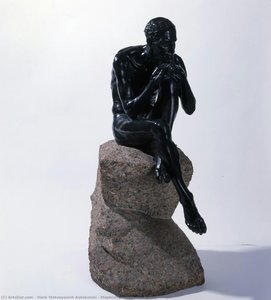
mark matveyevich antokolski
1840 - 1902 , Russia
Quick Facts
- Artistic Movement Or Style: Sculpture
- Artists Or Movements Influenced By This Artist: ['Russian Sculpture']
- Artists Who Influenced This Artist:
- Van Dyck
- Stasov
- Date Of Birth: November 2, 1840
- Date Of Death: July 9, 1902
- Full Name: Mark Matveyevich Antokolsky
- Nationality: Russian
- Notable Artworks:
- Ivan the Terrible
- Jewish Tailor
- Nathan the Wise
- Inquisition Attacks Jews
- Place Of Birth: Vilnus, Lithuania

