 Preview
 Send
Send Share
Share
 Details

 Download
 Similars
 X-Ray
X-Ray Diaporama
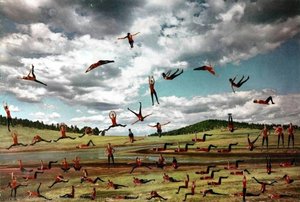
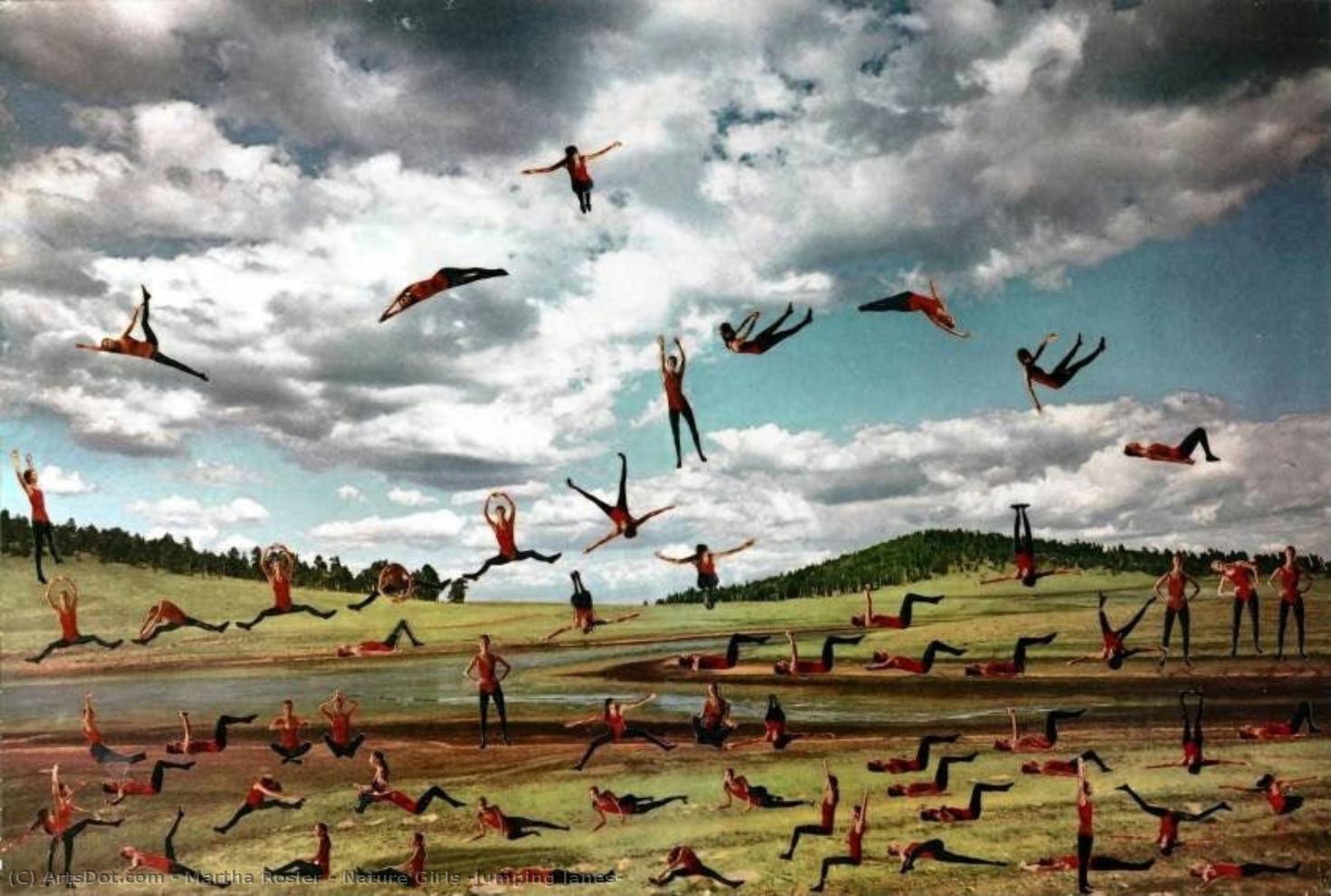
Nature Girls (Jumping Janes)


 Read More
Hand Made Oil Reproduction
Hand-painted oil on canvas in your size and frame, made to order by our artists. ( Buy Print Buy Image)




































Pick from our preset sizes that match the artwork's original proportions.

You may enter your own dimensions to fit a specific frame or space. If your selected size does not match the original image's proportions, we will either crop the artwork or extend the painting with additional hand-painted elements. A digital mockup will be sent for your approval before production begins.
Please note that the on-screen preview does not reflect the actual cropping or extension. Only the mockup will accurately show the final composition.
While custom sizes are available, we recommend selecting a dimension from the predefined list to preserve the original proportions.
After order, ArtsDot.com team will email client for instructions and provide a mockup preview
Worldwide Delivery () in 3/4 weeks instead of standard 5 weeks. (26 August). No compromise on quality.

Free Worldwide Express Shipping

High-Quality Linen Canvas

Full Shipping Insurance

Customs Tax Refund Guarantee

True Color Matching Guarantee

60-Day Return Policy (Defects Only)

100% Money-Back Guarantee

Bulk Discount Offer
 Glass option is only available in size under 110 CM

Nature Girls (Jumping Janes)
Reproduction Medium
Reproduction Size
-


Total Price
$ 263
Related Artworks










Artist Biography
Early Life and Formation
Martha Rosler, born in Brooklyn, New York, in 1943, emerged as a pivotal figure in the conceptual art movement, her work deeply rooted in the socio-political currents of her time. Her formative years were marked by a restless geographic journey—a childhood spent between California’s burgeoning suburban landscapes and the vibrant intellectual atmosphere of San Francisco during the late 1960s and 70s. This early exposure to contrasting environments, coupled with an innate sensitivity to social injustice, laid the groundwork for her artistic trajectory. Rosler's academic background, culminating in an MFA from the University of California, San Diego in 1974, provided a crucial framework for her explorations into the power dynamics inherent within representation and media. Even before formal training, she was engaged with activism—participating in protests against nuclear arms proliferation as a teenager—a commitment that would become inextricably linked to her artistic practice. This early engagement wasn’t merely political; it was a nascent understanding of how images shape perception and mobilize action.The House Beautiful Series: Deconstructing the Domestic Sphere
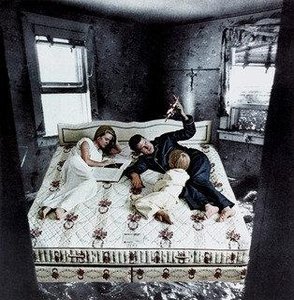
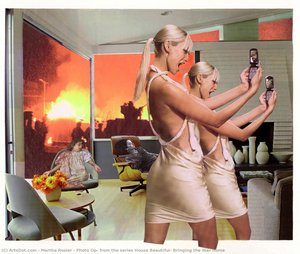
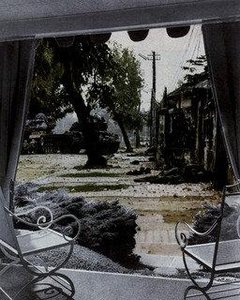
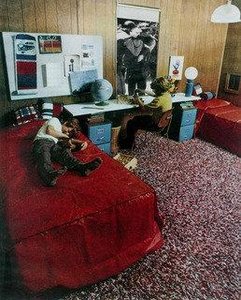
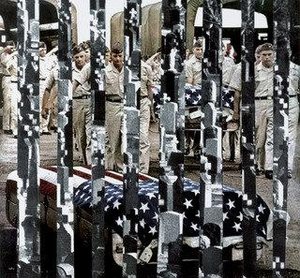
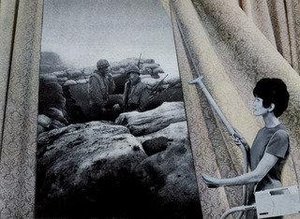
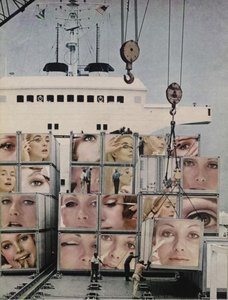
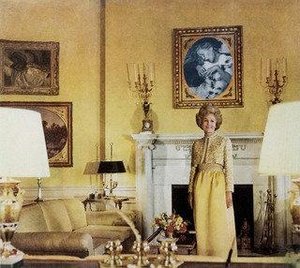
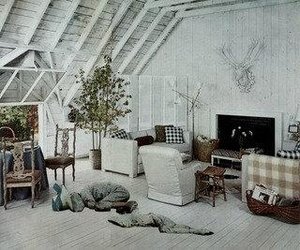
Rosler's breakthrough work, House Beautiful: Bringing the War Home, created between 1967 and 1972, remains one of the most iconic and potent anti-war statements in art history. The series masterfully juxtaposed images culled from lifestyle magazines—idyllic interiors, gleaming kitchens, serene living rooms—with stark photographs documenting the brutal realities of the Vietnam War. This jarring collision wasn’t simply about shock value; it was a deliberate dismantling of the carefully constructed facade of American domesticity, exposing the insidious ways in which war is normalized and distanced from everyday life. By layering these contrasting images, Rosler forced viewers to confront the uncomfortable truth that even within the seemingly safe confines of home, the specter of violence loomed large. The series wasn’t presented as finished artworks initially but rather as photocopies intended for widespread distribution—a conscious effort to bypass traditional art institutions and engage directly with a broader public. This act of dissemination itself became part of the work's message, highlighting the potential of art as a tool for social change.Expanding the Practice: Video, Installation, and Performance
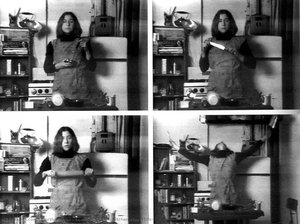
Throughout the 1970s and beyond, Rosler’s artistic vocabulary expanded to encompass video, installation, sculpture, and performance, all while maintaining her unwavering focus on the intersection of personal experience and political realities. Semiotics of the Kitchen, a seminal video work from 1975, is perhaps her most celebrated exploration of gender roles and domestic labor. The piece features Rosler methodically demonstrating kitchen utensils while reciting their names in an increasingly agitated manner—a subversive critique of the limited sphere assigned to women within patriarchal society. Her installations often involved creating immersive environments that challenged conventional notions of space and spectatorship. If You Lived Here…, initiated in 1989, exemplifies this approach, transforming gallery spaces into forums for community dialogue about housing issues and urban displacement. Rosler’s performances were equally impactful, frequently employing direct address and confrontational tactics to disrupt established power structures.Influences and Intellectual Context
Rosler's work draws upon a diverse range of intellectual influences, including the critical theory of Walter Benjamin, particularly his writings on the reproducibility of images and their potential for political manipulation. The Situationist movement’s emphasis on détournement—the appropriation and subversion of existing cultural forms—also played a significant role in shaping her artistic strategies. Furthermore, feminist art practices of the 1970s, which sought to challenge patriarchal representations and reclaim women's voices, provided a crucial context for her explorations of gender and domesticity. She engaged with the work of artists like Judy Chicago and Barbara Kruger, sharing their commitment to using art as a platform for social critique. However, Rosler’s approach distinguishes itself through its rigorous intellectual depth and its refusal to offer easy answers or simplistic solutions.Legacy and Historical Significance
Martha Rosler's impact on contemporary art is profound and far-reaching. Her work has not only challenged conventional aesthetic boundaries but also redefined the role of the artist as a critical observer and social activist. She paved the way for generations of artists who seek to engage with pressing political issues through innovative and thought-provoking means. Her insistence on questioning the neutrality of representation, her exploration of the relationship between public and private life, and her commitment to using art as a tool for social change continue to resonate deeply in today’s world. Rosler's extensive writings and lectures have further solidified her position as a leading intellectual voice within the art community. She has served on numerous advisory boards and committees, actively shaping the discourse surrounding contemporary art and its role in society. Her work remains powerfully relevant, reminding us of the urgent need to critically examine the images that surround us and their impact on our understanding of the world.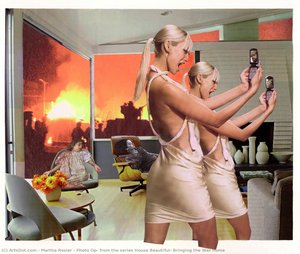
martha rosler
1943 -
Quick Facts
- Artistic Movement Or Style: Conceptual Art
- Date Of Birth: 1943
- Full Name: Martha Rosler
- Nationality: American
- Notable Artworks:
- Booby Trap
- House Beautiful series
- Semiotics of the Kitchen
- Place Of Birth: Brooklyn, USA