 Preview
 Send
Send Share
Share
 Details

 Download
 Similars
 X-Ray
X-Ray Diaporama
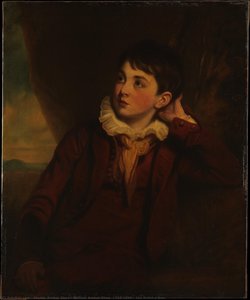
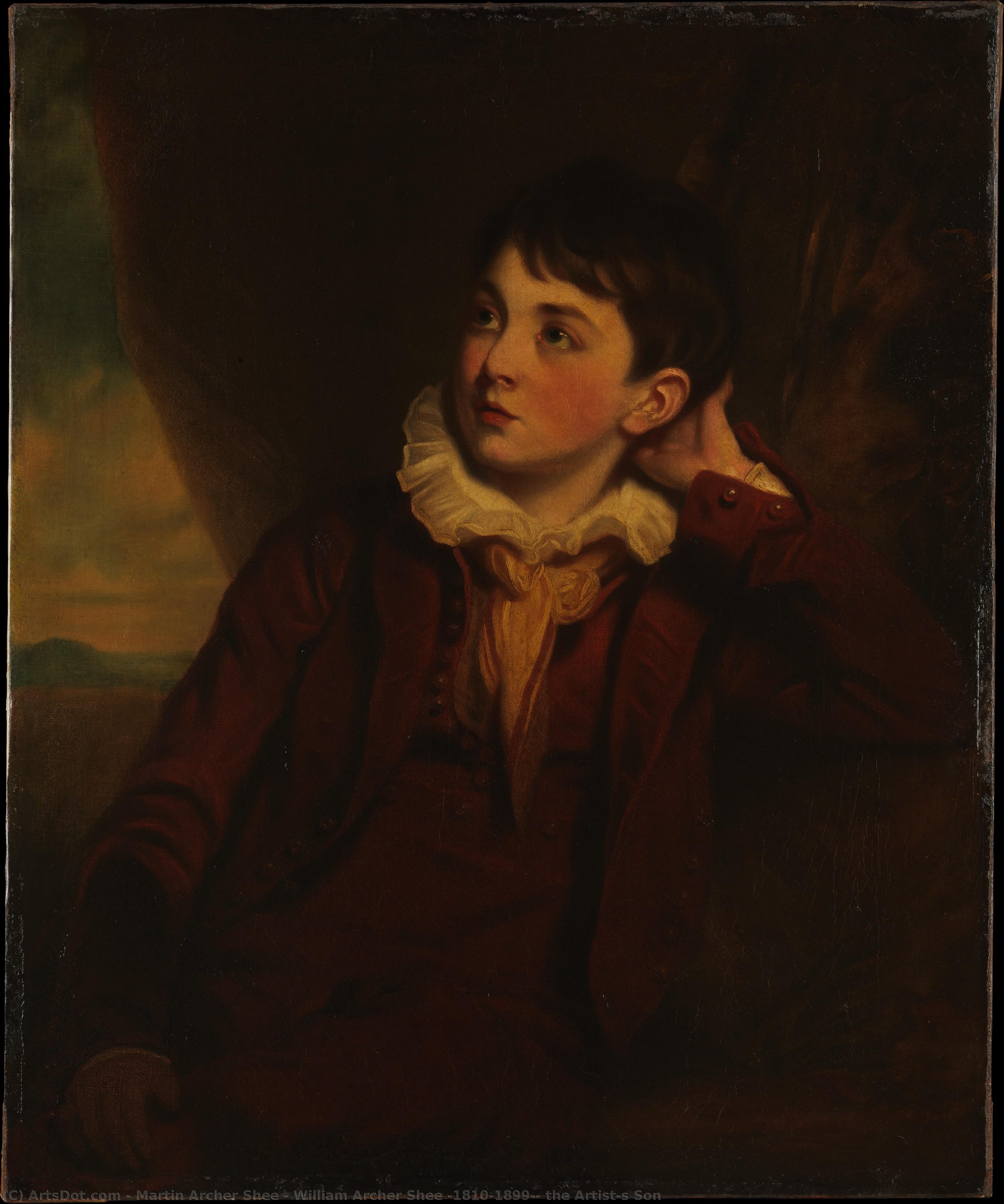
William Archer Shee (1810–1899), the Artist's Son
 1820
1820 76.0 x 63.0 cm
 Read More
Giclée / Art Print
Museum-quality giclée or canvas print with fast production and flexible finish options. ( Buy Hand Made Painting Buy Image)




































Pick from our preset sizes that match the artwork's original proportions.

You may enter your own dimensions to fit a specific frame or space. If your selected size does not match the original image's proportions, we will either crop the artwork or extend the image with a mirrored or solid-fill edge. A digital mockup will be sent for your approval before production begins.
Please note that the on-screen preview does not reflect the actual cropping or extension. Only the mockup will accurately show the final composition.
While custom sizes are available, we recommend selecting a dimension from the predefined list to preserve the original proportions.
Worldwide Delivery () in 2 weeks instead of standard 4/5 weeks. (27 August)

Free Worldwide Express Shipping

High-Quality Linen Canvas

Full Shipping Insurance

Customs Tax Refund Guarantee

True Color Matching Guarantee

60-Day Return Policy (Defects Only)

100% Money-Back Guarantee

Bulk Discount Offer
 Glass option is only available in size under 110 CM

William Archer Shee (1810–1899), the Artist's Son
Giclée / Art Print
Reproduction Size
-


Total Price
$ 63
Related Artworks





Artist Biography
Early Life and Artistic Beginnings
Sir Martin Archer Shee, born in Dublin on December 23rd, 1769, emerged from a family steeped in tradition yet initially resistant to his artistic inclinations. His father, a merchant of established standing, viewed painting as an unsuitable pursuit for the scion of their lineage. However, young Martin’s passion proved unyielding, leading him to study art at the Royal Dublin Society before embarking on a journey to London in 1788. This pivotal move brought him into contact with the influential Edmund Burke, who generously introduced him to Joshua Reynolds, then President of the Royal Academy. Reynolds' guidance steered Shee towards formal training within the Academy’s schools, laying the foundation for his future career as a portraitist. The early resistance from his father underscores a common tension in the 18th century – the burgeoning professionalization of art and its gradual acceptance as a legitimate vocation.A Rising Portraitist During the Regency Era
Shee’s artistic trajectory blossomed throughout the 1790s, marked by consistent exhibition appearances beginning in 1789 with works like *Head of an Old Man* and *Portrait of a Gentleman*. His talent steadily garnered recognition, culminating in his election as an associate of the Royal Academy in 1798. Marriage to Mary Power in 1789 provided stability, and by 1800 he had achieved full academician status. He established his studio at 32 Cavendish Square, inheriting the space previously occupied by George Romney, a symbolic passing of the torch within London’s vibrant art scene. The Regency era proved particularly fertile ground for portraiture, as a newly affluent middle class sought to immortalize their likenesses and social standing. Shee adeptly navigated this demand, becoming known for his neoclassical style – characterized by refined elegance, meticulous detail, and a subtle psychological depth in his portrayals. He wasn’t merely recording appearances; he was capturing character and status with increasing skill.Beyond the Brush: Literary Pursuits
While celebrated as a portraitist, Shee possessed a multifaceted artistic sensibility that extended beyond painting. He actively engaged in literary endeavors, publishing *Rhymes on Art* in 1805, followed by a second part in 1809. Lord Byron acknowledged the verses favorably in his satirical poem, *English Bards and Scotch Reviewers*, demonstrating Shee’s reach into wider cultural circles. Further publications included *The Commemoration of Sir Joshua Reynolds, and other Poems* (1814) and even a tragedy, *Alasco*, though it faced censorship due to perceived political undertones. He also penned three novels – *Oldcourt* (1829), *Cecil Hyde* (1834), and *Harry Calverley* (1835). This diverse output reveals a man deeply engaged with the intellectual currents of his time, using both visual and written mediums to explore themes of art, society, and morality.Presidency of the Royal Academy and Lasting Legacy
The year 1830 marked a turning point in Shee’s career. Following the death of Sir Thomas Lawrence, he was elected President of the Royal Academy – a position of immense prestige and influence within the British art world. He was simultaneously knighted, solidifying his status as a leading figure in the nation's cultural landscape. As president, he oversaw the Academy’s exhibitions and championed artistic standards. His commitment to the institution was further demonstrated by his donation of *Belisarius*, a historical painting depicting a scene from the Byzantine Empire, as his diploma work – a gesture reflecting the era’s fascination with classical history. He continued exhibiting regularly, contributing two paintings for the Waterloo Chamber at Windsor Castle in 1836, portraits of Thomas Picton and the Marquess of Anglesey. Sir Martin Archer Shee died on August 13th, 1850, leaving behind a legacy as a skilled portraitist, a respected writer, and a dedicated administrator who helped shape the course of British art during a period of significant change. His work continues to offer valuable insights into the social and aesthetic values of the Regency era and beyond.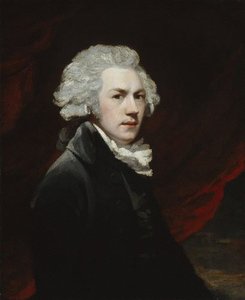
Quick Facts
- Artistic Movement Or Style: Neoclassical portraiture
- Artists Who Influenced This Artist: ['Joshua Reynolds']
- Date Of Birth: December 23, 1769
- Date Of Death: August 13, 1850
- Full Name: Martin Archer Shee
- Nationality: Irish
- Notable Artworks:
- Lavinia
- Belisarius
- Prospero and Miranda
- Place Of Birth: Dublin, Ireland