

 Preview
 Send
Send Share
Share
 Details

 Download
 Similars
 X-Ray
X-Ray Diaporama
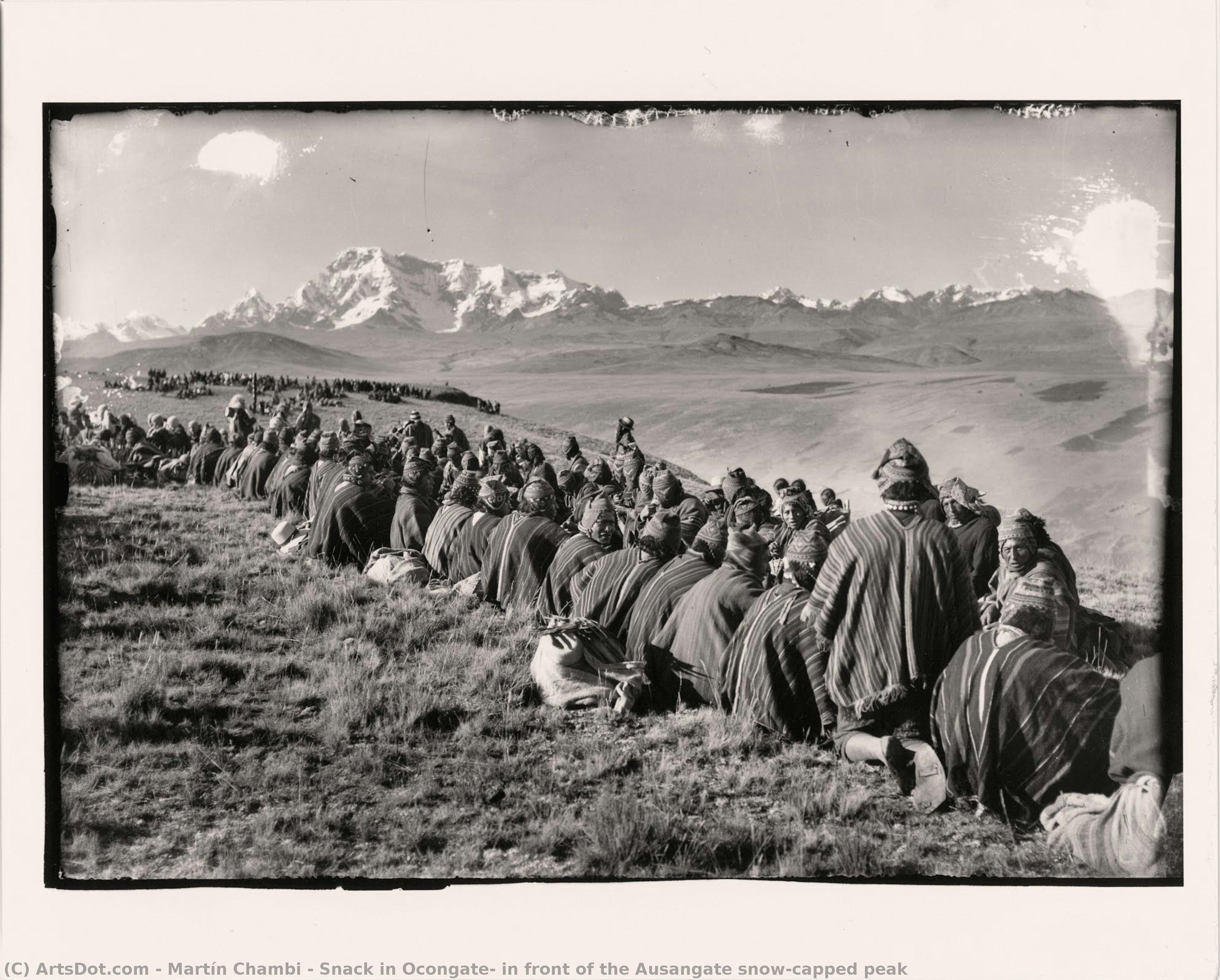
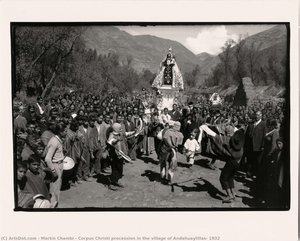
Snack in Ocongate, in front of the Ausangate snow-capped peak


 Read More
Purchase a high-resolution, enhanced digital image, far superior to the online preview.
Each file is meticulously prepared by our in-house specialists using advanced tools and expert manual retouching. We ensure every image has exceptional clarity, precise color accuracy, and fine detail.
The final file is delivered via email within 72 hours, optimized for immediate use in professional, editorial, and print environments. This is the same quality trusted by top-tier design studios, publishers, and galleries.
Digital Image
Download a high-resolution file for personal display, printing, and creative projects. ( Buy Print Buy Hand Made Painting)
Included in Every Digital Image Order
Expert Digital Delivery, Guaranteed
When you choose ArtsDot.com, you're not just getting an image - you're receiving a professionally enhanced digital artwork, crafted with precision and backed by a satisfaction guarantee. Here's everything that comes with your order, automatically:

Fast Email Delivery
Your high-resolution digital image file will be emailed to you within 72 hours of ordering - ready for immediate use.

AI-Enhanced Digital File
Your artwork is professionally optimized using advanced AI tools and manual editing, ensuring maximum detail, clarity, and color accuracy.

Free Lifetime Re-Delivery
Accidentally deleted or lost your file? No worries - we'll resend it to you anytime, free of charge.

No Import Fees - Ever
Enjoy your artwork instantly with zero customs, duties, or delivery fees - digital downloads are always tax-free.

Color Accuracy Guarantee
We ensure your digital image reflects the original colors as closely as possible using professional tools and color management.

60-Day Satisfaction Guarantee
If you're not satisfied with your digital image, we'll revise it or refund 100% within 60 days - no questions asked.

100% Money-Back Guarantee
Not satisfied? Get a full refund within 60 days of receiving your digital file - no questions asked.

Bulk Order Discounts
Buy 3 images, save 10% - Buy 5, save 15% - Buy 10+, save 20%. Great for creative projects, galleries, and agencies.
Martín Chambi: A Pioneer of Andean Documentary Photography
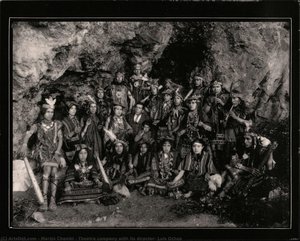
Martín Chambi Jiménez (1891-1973) stands as one of the most important figures in Peruvian photography and a trailblazer for indigenous Latin American visual culture. Born into humble beginnings in Coaza, Peru—a region scarred by colonial exploitation and marked by the enduring presence of Quechua traditions—Chambi’s life was profoundly shaped by circumstance and serendipitous encounters that ultimately propelled him to become a celebrated chronicler of Andean society. His artistic vision wasn't cultivated in formal academies but rather nurtured by an early fascination with photography sparked during his father’s stint in a gold mine, establishing a formative connection with the burgeoning art form. Early Influences: Chambi’s initial exposure to photography came from Max T. Vargas, whose studio in Arequipa provided invaluable apprenticeship experience and instilled foundational photographic skills. The Studio of Varga fostered an understanding of composition and visual storytelling that would inform his entire oeuvre. Vargas recognized Chambi's talent for capturing the essence of Andean life—a skill honed through meticulous observation and careful framing—laying the groundwork for his future achievements. The Artistic Journey: Chambi’s artistic development unfolded organically, driven by a desire to document the realities of rural Peru with honesty and sensitivity. Unlike many artists of his time who sought to romanticize indigenous culture, Chambi approached his subjects with respect and empathy, striving to portray them authentically without embellishment. This commitment to realism—combined with an astute eye for visual beauty—became hallmarks of his distinctive style. Documentary Style & Technique: Chambi’s photographic technique was characterized by its simplicity and directness. He primarily utilized modern photographic methods – film photography coupled with darkroom processing – prioritizing clarity and tonal range to faithfully reproduce the landscapes and portraits he captured. The resulting prints possessed a remarkable textural quality, conveying the ruggedness of Andean terrain and the subtle nuances of human expression. His masterful use of light and shadow further enhanced the dramatic impact of his images. A Legacy of Observation: Chambi’s enduring legacy rests on his ability to transform everyday scenes into powerful narratives—stories that illuminate the spirit of Andean culture and capture the beauty of its natural environment. Works like “Indian Varayoc and Family” exemplify this approach, presenting portraits of indigenous individuals with dignity and nuance. Similarly, "Theatre company with its director, Luis Ochoa" captures a moment of communal activity, reflecting the social fabric of Cuzco’s artistic community. Symbolic Resonance: Chambi's photographs resonate deeply with themes of resilience, tradition, and connection to the land—values central to Andean identity. The imposing Ausangate peak serves as a visual metaphor for strength and permanence, mirroring the enduring spirit of the Peruvian people. His images invite contemplation on the passage of time and the importance of preserving cultural heritage. Reproductions & Artistic Appreciation: Today, reproductions of Chambi’s masterpieces offer art lovers and collectors alike an opportunity to experience firsthand the profound beauty and intellectual depth of his vision. Selecting a high-quality print—executed with meticulous attention to detail—allows for a deeper appreciation of Chambi's artistic legacy and contributes to the preservation of Andean cultural heritage.Related Artworks
![[a Tunnel On The Canadian Pacific Railway, Kicking Horse River, Bc] — Edward Roper Curzon Clarkson, Topographical Art](/media/artworks/images-thumb/eb/2c/eb2c759bf7674e763d2e9d1ef0f74a9c.jpg)
Artist Biography
The Lens of the Andes: The Life and Legacy of Martín Chambi
In the high, thin air of the Peruvian Andes, where the shadows of the Cordillera Blanca stretch across ancient landscapes, the work of Martín Chambi remains a profound testament to the dignity of a people. Born in 1891 near the shores of Lake Titicaca, Chambi’s journey from the humble Coaza district to becoming a global icon of documentary photography is a narrative of vision and resilience. His early life was shaped by the rugged realities of the Southern Andes—a region marked by both colonial echoes and the vibrant, enduring pulse of Quechua traditions. It was not in a formal academy that his eye was trained, but through a serendipitous encounter with the mechanics of light and shadow during his youth near a British mining company, where he first witnessed the transformative power of the camera.
Chambi’s artistic evolution was deeply rooted in mentorship and technical mastery. Moving to Arequipa, he sought out the renowned photographer Max T. Vargas, whose studio served as a crucible for Chambi’s developing skills. Under Vargas’s guidance, he mastered the intricate nuances of albumen printing and the demanding processes of early twentieth-century photography. This period of apprenticeship provided him with more than just technical proficiency; it instilled in him an aesthetic foundation that allowed him to navigate both the formal requirements of studio portraiture and the spontaneous demands of outdoor landscape photography. By 1917, Chambi had established his own presence in Sicuani and later Cusco, transforming his studio into a vital hub for capturing the multifaceted identity of Peru.
A Vision of Dignity and Resistance
What distinguishes Chambi’s oeuvre from the mere ethnographic documentation of his era is his profound empathy and his refusal to view his subjects through a lens of "otherness." While many contemporary photographers approached indigenous populations as curiosities, Chambi photographed them as representatives of a living, breathing culture. His portraits are characterized by a striking psychological depth; whether capturing a Varayoc (an indigenous authority) or a simple peasant from Calca, he imbued his subjects with an unmistakable sense of pride and agency. He famously declared that he felt himself to be a representative of his race, stating that his people spoke through his photographs. This mission was a quiet but powerful act of resistance against the prevailing colonial narratives that sought to diminish Andean culture as primitive or stagnant.
His technical brilliance allowed him to weave together the monumental and the intimate. In his landscapes, such as the breathtaking views of the Ausangate peak, he utilized light to emphasize the spiritual grandeur of the mountains. Conversely, in his studio work, he employed dramatic lighting to highlight the intricate textures of traditional textiles and the weathered features of his subjects. His ability to utilize the emerging medium of postcards also allowed him to disseminate images of Cusco and its surrounding environs to a wider world, effectively pioneering a new way for Peru to see itself and for the international community to witness the majesty of the Andes.
Historical Significance and Eternal Resonance
The historical weight of Chambi’s work cannot be overstated. He captured a pivotal moment in Peruvian history, documenting the transition of Andean society during the early twentieth century. His archives provide an invaluable visual record of landscapes, architectural wonders like Machu Picchu—which was still relatively unknown to much of the world during his most active years—and the social structures of the time. Through his lens, we see the intersection of tradition and modernity, from the ritualistic beauty of the Qoyllurit pilgrimage to the industrial presence of mining operations.
Today, Martín Chambi is celebrated not merely as a photographer, but as a visual historian who reclaimed the narrative of the Andes. His legacy lives on in the way we perceive the intersection of identity and art. The enduring power of his black-and-white compositions lies in their ability to transcend time, offering a window into a world where every shadow tells a story of survival, and every portrait serves as an eternal monument to the human spirit.
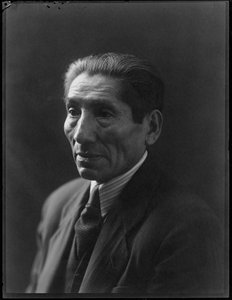
martín chambi
1891 - 1973
Quick Facts
- Artistic Movement Or Style: Documentary photography
- Artists Or Movements Influenced By This Artist: ['International expositions']
- Artists Who Influenced This Artist: ['Max T. Vargas']
- Date Of Birth: November 5, 1891
- Date Of Death: September 13, 1973
- Full Name: Martín Chambi Jiménez
- Nationality: Peruvian
- Notable Artworks:
- Indian Varayoc and Family
- Theatre company with its director, Luis Ochoa
- Pilgrims at Qoyllurit
- Place Of Birth: Coaza, Peru

