 Preview
 Send
Send Share
Share
 Details

 Download
 Similars
 X-Ray
X-Ray Diaporama
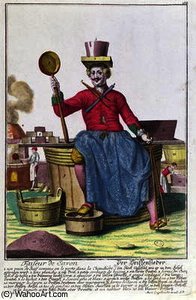
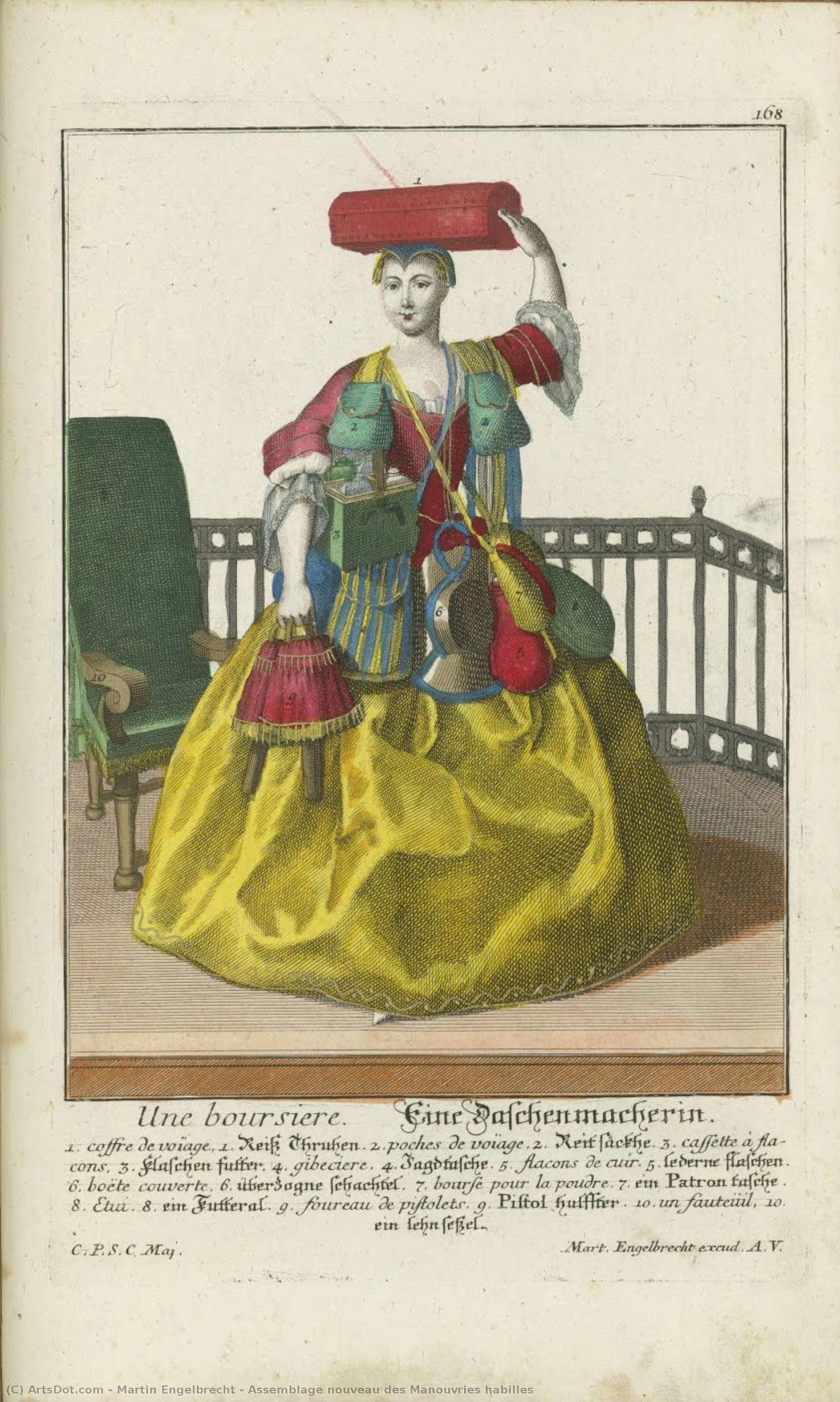
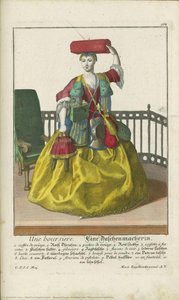
Assemblage nouveau des Manouvries habilles
 Read More
Giclée / Art Print
Museum-quality giclée or canvas print with fast production and flexible finish options. ( Buy Hand Made Painting Buy Image)




































Pick from our preset sizes that match the artwork's original proportions.

You may enter your own dimensions to fit a specific frame or space. If your selected size does not match the original image's proportions, we will either crop the artwork or extend the image with a mirrored or solid-fill edge. A digital mockup will be sent for your approval before production begins.
Please note that the on-screen preview does not reflect the actual cropping or extension. Only the mockup will accurately show the final composition.
While custom sizes are available, we recommend selecting a dimension from the predefined list to preserve the original proportions.
Worldwide Delivery () in 2 weeks instead of standard 4/5 weeks. (17 August)

Free Worldwide Express Shipping

High-Quality Linen Canvas

Full Shipping Insurance

Customs Tax Refund Guarantee

True Color Matching Guarantee

60-Day Return Policy (Defects Only)

100% Money-Back Guarantee

Bulk Discount Offer
 Glass option is only available in size under 110 CM

Assemblage nouveau des Manouvries habilles
Giclée / Art Print
Reproduction Size
-


Total Price
$ 63
Related Artworks

Artist Biography
The Master of Miniature Worlds: The Life and Legacy of Martin Engelbrecht
In the heart of the Holy Roman Empire, amidst the bustling workshops of Augsburg, a master was born who would forever change how the eighteenth century viewed the world. Martin Engelbrecht (1684–1756) was far more than a mere engraver; he was an architect of illusion and a chronicler of urban vitality. Born into an era defined by the grandeur of the Baroque, Engelbrecht’s journey began with the rigorous discipline of copper engraving, a craft that demanded both surgical precision and a poetic sensibility. His early training under masters like Gabriel Eigner and his formative years in the vibrant artistic hub of Augsburg provided him with the technical foundation necessary to transform cold metal plates into windows of breathtaking depth and narrative complexity.
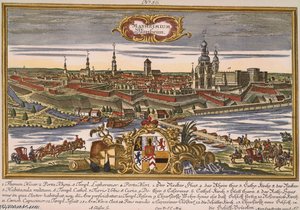
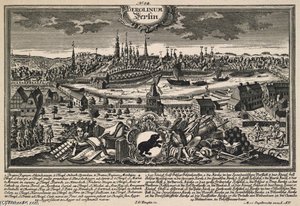
As his career unfolded, Engelbrecht’s artistry expanded far beyond the boundaries of traditional portraiture or simple landscapes. While he possessed the skill to capture the regal dignity of monarchs and the solemnity of biblical narratives, it was his fascination with the pulse of the city that truly defined his genius. He became a premier documentarian of the burgeoning urban landscapes of Mannheim and Berlin. Through his meticulous use of hatching and cross-hatching, he achieved a tonal richness that breathed life into stone and mortar, allowing viewers to wander through bustling marketplaces and grand architectural vistas that felt remarkably tangible. His prints served as vital social records, capturing the intricate textures of daily commerce and the evolving social fabric of the eighteenth century.
Innovation in Paper and Perspective
Perhaps the most enchanting chapter of Engelbrecht’s career lies in his revolutionary contribution to visual entertainment: the development of perspective theaters, also known as paper theaters or dioramas. Around 1730, Engelbrecht moved beyond the two-dimensional plane to create immersive, three-dimensional experiences that predated modern cinema in spirit. These were not merely toys, but sophisticated works of art consisting of layered, hand-colored engravings designed to be viewed through specialized optical devices. By manipulating light, shadow, and depth, he could transport an audience into the midst of a royal court ceremony, a dramatic battle scene, or an allegorical myth.
This innovation showcased his profound understanding of optical science and spatial storytelling. The technical mastery required to ensure that each paper layer aligned perfectly to create a convincing illusion of depth was immense. These dioramas were celebrated for their ability to educate as much as they entertained, offering detailed illustrations of historical events and religious themes that could be brought to life in the privacy of a home or a salon. His work in this medium represents a pivotal moment in the history of printmaking, where the boundary between static image and moving spectacle began to blur.
A Lasting Impression on Art History
The significance of Martin Engelbrecht extends well beyond the era of his death in 1756. He stands as a bridge between the rigid formalisms of the late Baroque and the more whimsical, light-filled sensibilities of the Rococo. His ability to blend the scientific precision of an engraver with the imaginative spirit of a storyteller allowed him to capture both the literal reality of German cities and the fantastical realms of human imagination. Today, his works are cherished not only as historical artifacts but as masterpieces of graphic design.
His enduring influence can be seen in several key areas:
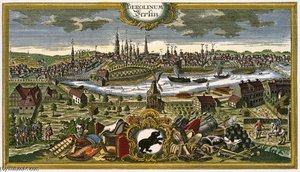
- Urban Documentation: His precise depictions of Mannheim and Berlin remain essential visual archives for historians studying eighteenth-century urban development.
- Technological Innovation: The creation of paper theaters marks a significant milestone in the evolution of immersive media and early optical entertainment.
- Printmaking Technique: His mastery of tonal variation through intricate linework continues to be studied as a pinnacle of the copper engraving tradition.
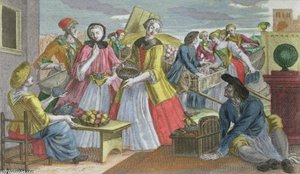
- Cultural Legacy: Through his diverse subject matter—from the grotesque satire of The Soap Maker to the vibrant commerce of The Fruit Market—he provided a comprehensive visual encyclopedia of his age.
Ultimately, Martin Engelbrecht’s life work reminds us that art is at its most powerful when it captures both the grandeur of the world we inhabit and the magic of the worlds we imagine.
martin engelbrecht
1684 - 1756 , Germany
Quick Facts
- Artistic Movement Or Style: Urban Landscapes
- Date Of Birth: Augsburg, Germany (1684)
- Date Of Death: 1756
- Full Name: Martin Engelbrecht
- Nationality: German
- Notable Artworks: ['Mannheim & Berlin']
- Place Of Birth: Augsburg