 Preview
 Send
Send Share
Share
 Details

 Download
 Similars
 X-Ray
X-Ray Diaporama
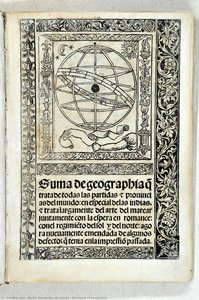
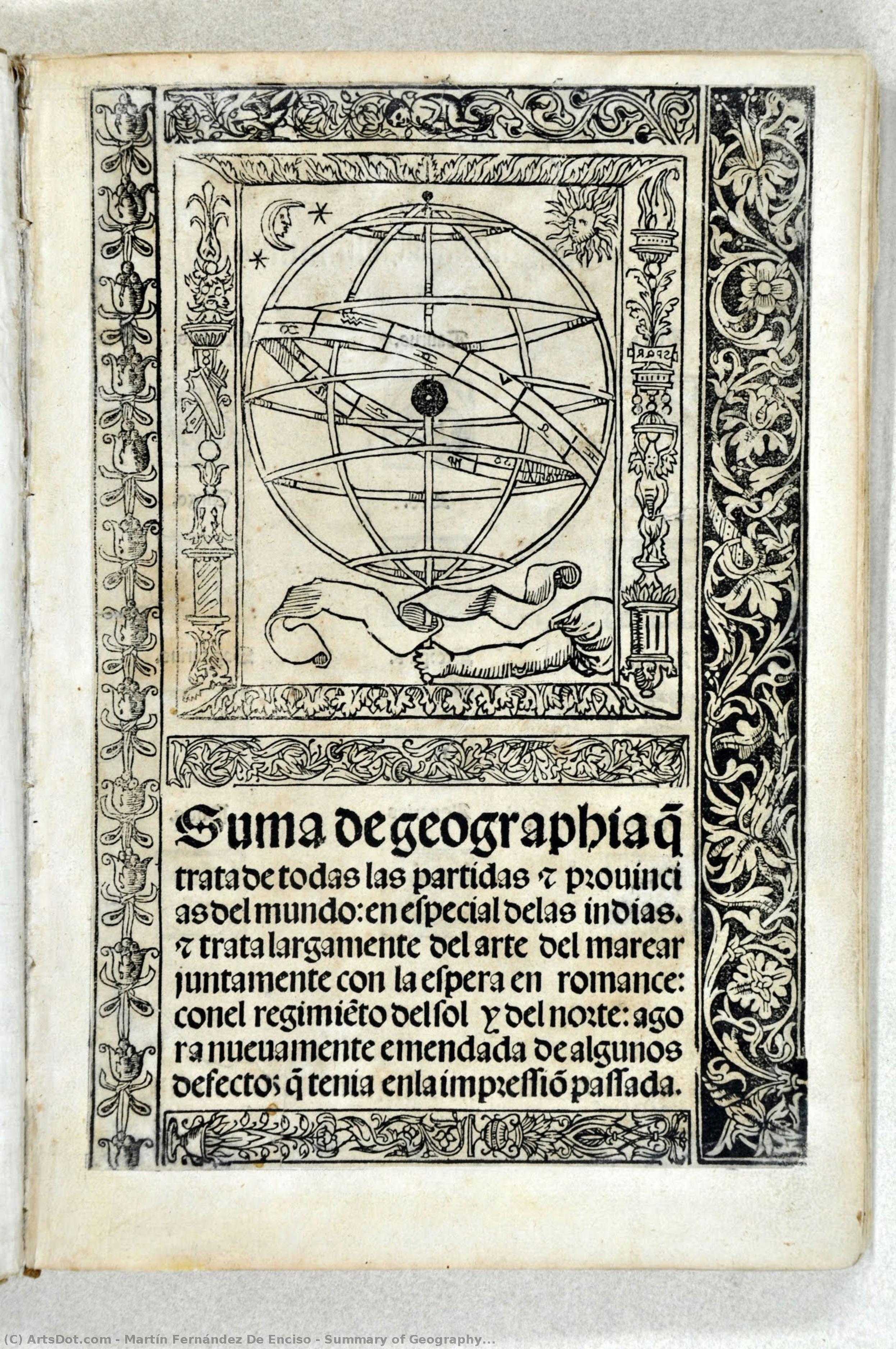
Summary of Geography


 Read More
Giclée / Art Print
Museum-quality giclée or canvas print with fast production and flexible finish options. ( Buy Hand Made Painting Buy Image)




































Pick from our preset sizes that match the artwork's original proportions.

You may enter your own dimensions to fit a specific frame or space. If your selected size does not match the original image's proportions, we will either crop the artwork or extend the image with a mirrored or solid-fill edge. A digital mockup will be sent for your approval before production begins.
Please note that the on-screen preview does not reflect the actual cropping or extension. Only the mockup will accurately show the final composition.
While custom sizes are available, we recommend selecting a dimension from the predefined list to preserve the original proportions.
Worldwide Delivery () in 2 weeks instead of standard 4/5 weeks. (4 September)

Free Worldwide Express Shipping

High-Quality Linen Canvas

Full Shipping Insurance

Customs Tax Refund Guarantee

True Color Matching Guarantee

60-Day Return Policy (Defects Only)

100% Money-Back Guarantee

Bulk Discount Offer
 Glass option is only available in size under 110 CM

Summary of Geography
Giclée / Art Print
Reproduction Size
-


Total Price
$ 63
Related Artworks









Artist Biography
Martín Fernández de Enciso: Cartographer of a New World
The name Martín Fernández de Enciso might not be instantly familiar to the modern art enthusiast, yet his legacy resonates profoundly within the history of exploration and cartography. Born around 1470 in Seville, Spain, he wasn’t an artist wielding brush or chisel, but rather a lawyer, colonial official, and, crucially, a geographer who played a pivotal role in shaping early Spanish perceptions – and ultimately, control – over the vast territories of the Americas. His most enduring contribution is undoubtedly the “Suma de Geografía,” a groundbreaking work published in 1519 that offered the first substantial Spanish-language account of the New World, a document that simultaneously documented discovery and actively participated in its colonization.
Enciso’s early life remains somewhat shrouded in mystery. He established himself as a successful lawyer in Santo Domingo by the late 1500s, accumulating wealth through legal disputes within the burgeoning colonial enterprise. This financial acumen caught the attention of Diego de Nicuesa, the governor of Tierra Firme (present-day Colombia and Panama), who sought Enciso’s expertise to oversee the colonization efforts. Nicuesa's initial expedition faltered, plagued by hostile indigenous populations and dwindling supplies, leading him to enlist Enciso once more in 1509. This second venture marked a significant shift; Enciso was tasked with establishing a permanent settlement – a mission far more ambitious than mere exploration.
The Founding of Santa María la Antigua
Enciso’s initiative resulted in the establishment of Santa María la Antigua del Darién, nestled near the Cabo de la Vela on the Caribbean coast of Panama. This strategic location was chosen for its proximity to potential trade routes and access to resources. However, the settlement faced immediate challenges – relentless attacks from indigenous tribes and the logistical difficulties inherent in establishing a foothold in such a remote and hostile environment. Despite these obstacles, Enciso persevered, implementing laws and governance structures designed to mimic those of Spain, effectively becoming the de facto governor of the nascent colony.
A pivotal moment arrived with the arrival of Vasco Núñez de Balboa in 1510. Balboa, a skilled explorer and ambitious adventurer, quickly gained influence among the settlers, fueled by his charisma and promises of wealth. Enciso, recognizing a threat to his authority and control, orchestrated Balboa’s expulsion from Santa María la Antigua. This act, driven by political maneuvering and personal ambition, ultimately led to Balboa's execution in 1519 at the hands of Pedro de Pedrarias Dávila, governor of Tierra Firme. Enciso, seeking redress for what he perceived as injustice, returned to Spain and continued his legal career.
The Suma de Geografía: A Window into a New World
Enciso’s most significant contribution lies in the “Suma de Geographia,” a meticulously researched account of the Americas. Published in 1519, it was far more than a simple description; it actively shaped European understanding of the region. The work is divided into two sections: a cosmographical treatise detailing astronomical and navigational principles, and a geographical survey of the known world – with a particular emphasis on the newly discovered lands. Crucially, the Suma included one of the earliest Western depictions of the avocado, reflecting Enciso’s keen interest in documenting both the physical landscape and its resources.
What distinguishes the “Suma” is not merely its content but also its impact. It served as a foundational text for subsequent Spanish explorations and colonial endeavors. The book's detailed descriptions of coastlines, rivers, and indigenous populations provided invaluable information for navigators and mapmakers. Furthermore, it contained the first printed version of the “Requerimiento,” a document outlining Spain’s claim to sovereignty over the Americas – a legal justification that underpinned centuries of colonization. The absence of a map within the text has been debated by scholars, with theories ranging from political censorship to technical limitations of printing technology at the time.
Legacy and Historical Significance
Martín Fernández de Enciso’s legacy is complex and multifaceted. He was not a painter or sculptor, yet his work profoundly shaped the course of Spanish colonization in the Americas. His role in establishing Santa María la Antigua del Darién, coupled with his authorship of the “Suma de Geographia,” cemented his place as a key figure in the early exploration and mapping of the New World. His document served as a crucial tool for asserting Spanish claims to vast territories and justifying their subjugation of indigenous populations.
While often overshadowed by more celebrated explorers like Columbus or Balboa, Enciso’s contribution deserves recognition. He was not merely an observer but an active participant in the process of discovery and colonization, using his legal expertise and geographical knowledge to advance Spanish interests. The “Suma de Geographia” remains a valuable historical document, offering a unique glimpse into the European perspective on the Americas during a period of profound transformation – a testament to the enduring power of maps, words, and the shaping of worlds.
martín fernández de enciso
1528 , Spain
Quick Facts
- Artistic Movement Or Style: Geographer, Colonial Official
- Artists Or Movements Influenced By This Artist:
- Spanish exploration
- Early cartography
- Artists Who Influenced This Artist:
- Alonso de Ojeda
- Vasco Núñez de Balboa
- Date Of Birth: c. 1470
- Date Of Death: c. 1528
- Full Name: Martín Fernández de Enciso
- Nationality: Spanish
- Notable Artworks:
- Suma de Geographia
- Requerimiento proclamation
- Place Of Birth: Seville, Spain