 Preview
 Send
Send Share
Share
 Details

 Download
 Similars
 X-Ray
X-Ray Diaporama
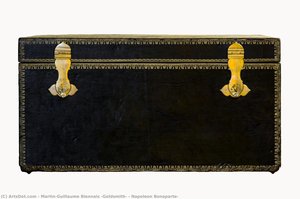
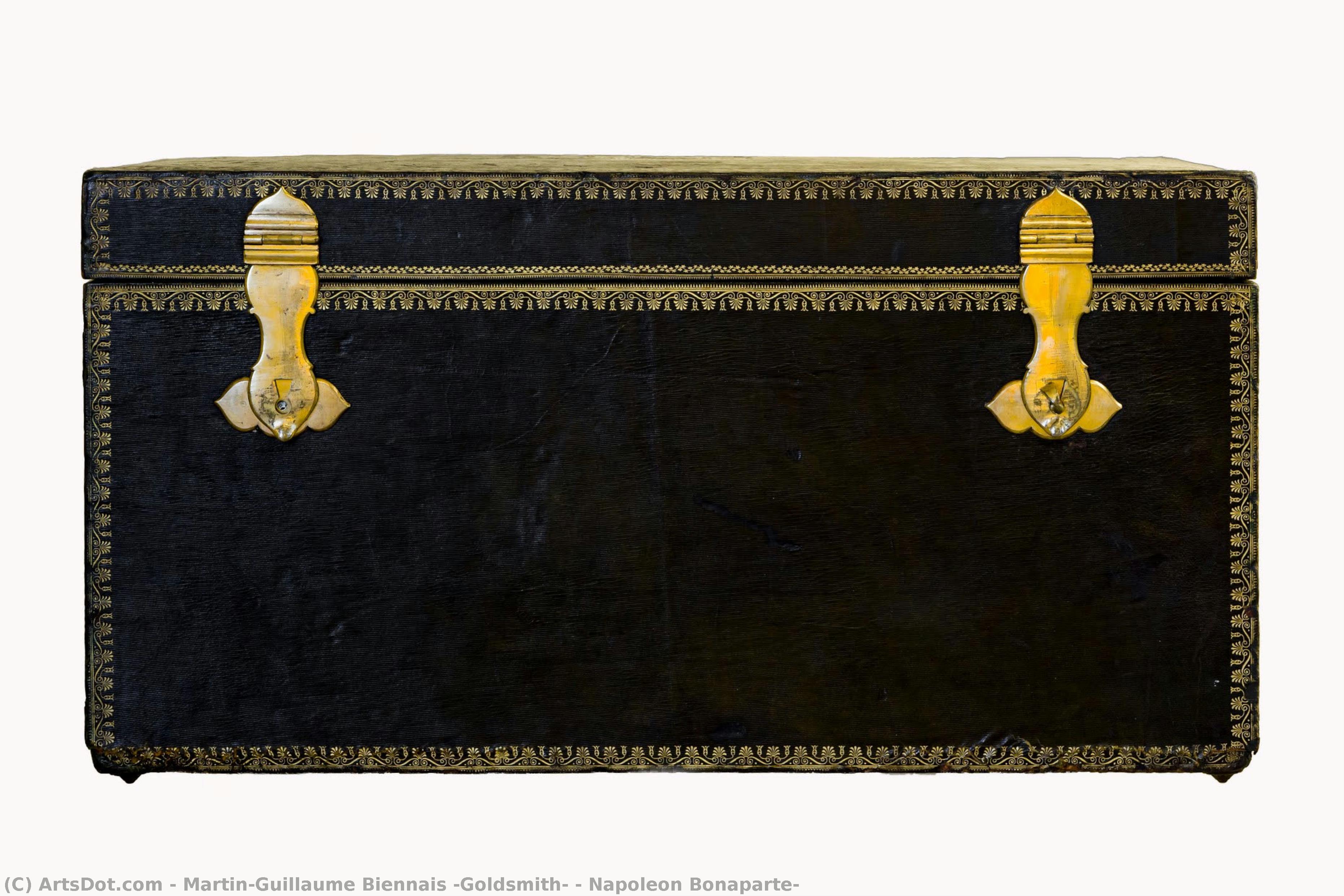
Napoleon Bonaparte


 Read More
Hand Made Oil Reproduction
Hand-painted oil on canvas in your size and frame, made to order by our artists. ( Buy Print Buy Image)




































Pick from our preset sizes that match the artwork's original proportions.

You may enter your own dimensions to fit a specific frame or space. If your selected size does not match the original image's proportions, we will either crop the artwork or extend the painting with additional hand-painted elements. A digital mockup will be sent for your approval before production begins.
Please note that the on-screen preview does not reflect the actual cropping or extension. Only the mockup will accurately show the final composition.
While custom sizes are available, we recommend selecting a dimension from the predefined list to preserve the original proportions.
After order, ArtsDot.com team will email client for instructions and provide a mockup preview
Worldwide Delivery () in 3/4 weeks instead of standard 5 weeks. (26 August). No compromise on quality.

Free Worldwide Express Shipping

High-Quality Linen Canvas

Full Shipping Insurance

Customs Tax Refund Guarantee

True Color Matching Guarantee

60-Day Return Policy (Defects Only)

100% Money-Back Guarantee

Bulk Discount Offer
 Glass option is only available in size under 110 CM

Napoleon Bonaparte
Reproduction Medium
Reproduction Size
-


Total Price
$ 263
Artwork Description
Related Artworks





Artist Biography
The Genesis of a Master Craftsman
In the twilight of the eighteenth century, a period defined by both profound political upheaval and an unparalleled artistic rebirth, the name Martin-Guillaume Biennais began to resonate through the prestigious workshops of Paris. Born in La Cochère in 1764, Biennais’s journey from the quietude of his youth to the glittering heart of French artistry was marked by a relentless pursuit of technical excellence. After relocating to Paris in 1788, he transitioned from the world of commerce into the disciplined and demanding realm of the master tabletier. His formative years were shaped by a rigorous apprenticeship under the legendary Jean-Baptiste Claude Odiot, a mentorship that instilled in him the very essence of neoclassical design. Through this training, Biennais mastered the delicate balance of symmetry, clarity, and refined ornamentation, laying the foundational principles for a career that would eventually define the aesthetic grandeur of an entire empire.
The Golden Age of the Imperial Goldsmith
The ascent of Napoleon Bonaparte provided the ultimate, magnificent canvas for Biennais’s unparalleled skill. As the official orfèvre to the Emperor, Biennais was tasked with translating the martial idealism and imperial splendor of the Napoleonic vision into tangible, precious forms. His appointment in 1798 signaled a golden age of production, most notably through his monumental contribution to the Imperial Table—a project of such immense scale that it demanded not only artistic genius but extraordinary logistical mastery. Biennais was the primary architect of the regalia used during the historic coronation of 1804, breathing life into objects that would become symbols of French power, including:
- The ceremonial sword and the majestic laurel wreath;
- The intricate great necklace of the Legion of Honor;
- The symbolic Grand Sceptre, the ball of the world, and the hand of justice.
His ability to capture the imperial spirit through gold and silver made him a central figure in the visual language of the era.
A Legacy of Versatility and Refinement
Beyond the heavy, symbolic weight of imperial regalia, Biennais’s artistry was characterized by an extraordinary versatility that spanned various media and decorative arts. While his mastery of goldsmithing and silversmithing remains his most celebrated achievement, his creative reach extended into ébénisterie, where he crafted exquisite mahogany furniture, including chests of drawers, consoles, and beds. His repertoire was vast, encompassing jewelry, porcelain, religious objects, and even the embellishment of white weapons with military decorations. Though contemporaries like Odiot were equally skilled, Biennais was often regarded as the more prolific and widely appreciated interpreter of the Napoleonic model. His work, such as the famous silver cradle created for the King of Rome, stands as a testament to a craftsman who could navigate the transition from the delicate elegance of the late eighteenth century to the robust, classical grandeur of the nineteenth-century Empire, leaving an indelible mark on the history of French decorative arts.
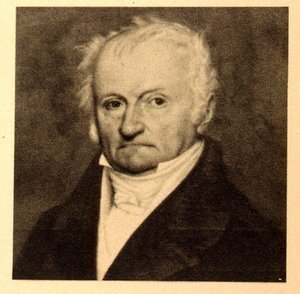
martin-guillaume biennais (goldsmith)
1764 - 1843 , France
Quick Facts
- Artistic Movement Or Style: Empire Style
- Artists Or Movements Influenced By This Artist: ['Napoleon Bonaparte']
- Artists Who Influenced This Artist:
- Jean-Baptiste Claude Odiot
- Robert Joseph Auguste
- Date Of Birth: April 29, 1764
- Date Of Death: March 27, 1843
- Full Name: Martin-Guillaume Biennais
- Nationality: French
- Notable Artworks:
- Snuff Boxes
- Jewelry
- Imperial Tableware
- Place Of Birth: Lacolle, France