

 Preview
 Send
Send Share
Share
 Details

 Download
 Similars
 X-Ray
X-Ray Diaporama
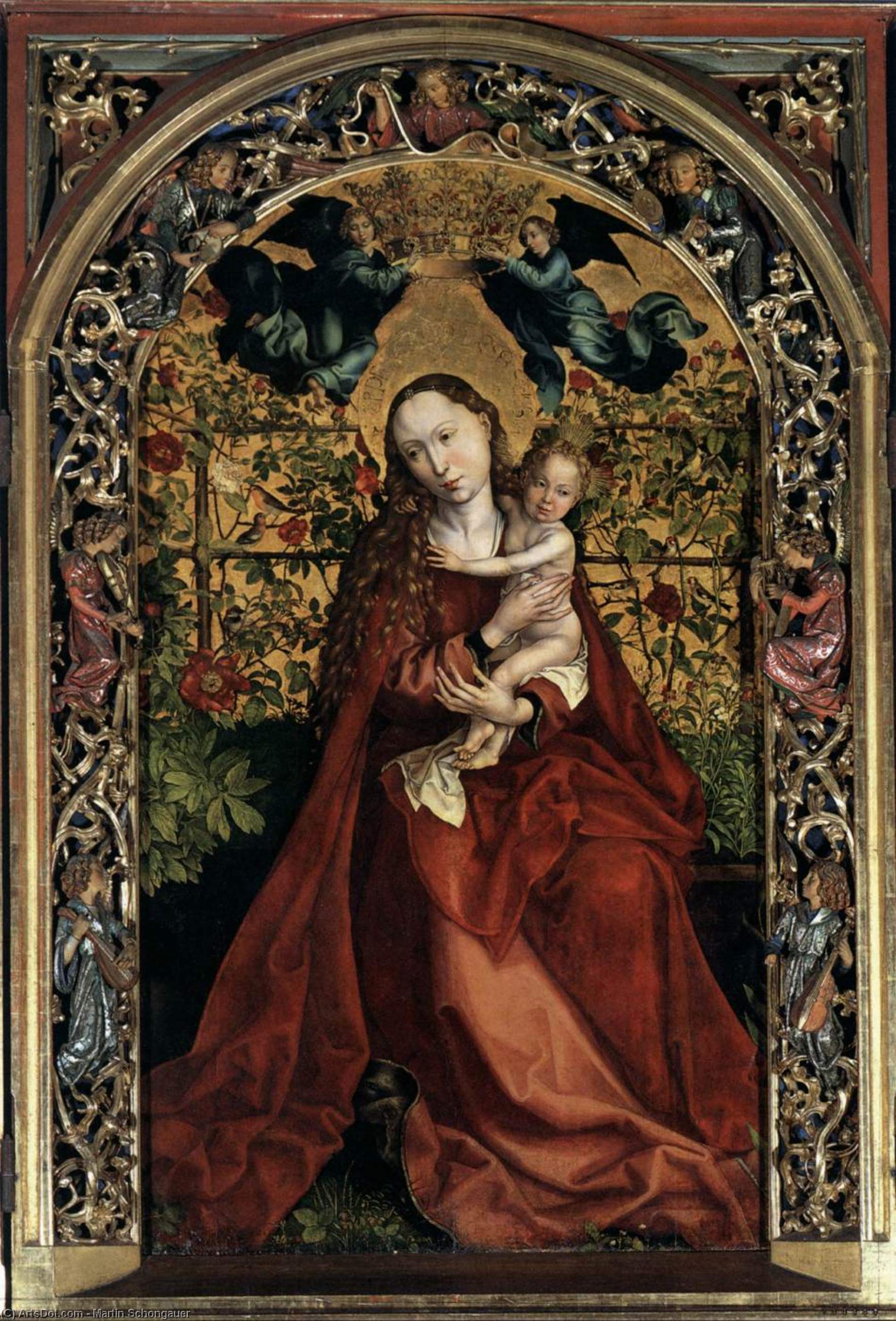
Madonna of the Rose Bush
 Painting
- Northern Renaissance
 1473
1473- Renaissance
 201.0 x 112.0 cm
 Saint-Martin
 Read More
Purchase a high-resolution, enhanced digital image, far superior to the online preview.
Each file is meticulously prepared by our in-house specialists using advanced tools and expert manual retouching. We ensure every image has exceptional clarity, precise color accuracy, and fine detail.
The final file is delivered via email within 72 hours, optimized for immediate use in professional, editorial, and print environments. This is the same quality trusted by top-tier design studios, publishers, and galleries.
Digital Image
Download a high-resolution file for personal display, printing, and creative projects. ( Buy Print Buy Hand Made Painting)
Included in Every Digital Image Order
Expert Digital Delivery, Guaranteed
When you choose ArtsDot.com, you're not just getting an image - you're receiving a professionally enhanced digital artwork, crafted with precision and backed by a satisfaction guarantee. Here's everything that comes with your order, automatically:

Fast Email Delivery
Your high-resolution digital image file will be emailed to you within 72 hours of ordering - ready for immediate use.

AI-Enhanced Digital File
Your artwork is professionally optimized using advanced AI tools and manual editing, ensuring maximum detail, clarity, and color accuracy.

Free Lifetime Re-Delivery
Accidentally deleted or lost your file? No worries - we'll resend it to you anytime, free of charge.

No Import Fees - Ever
Enjoy your artwork instantly with zero customs, duties, or delivery fees - digital downloads are always tax-free.

Color Accuracy Guarantee
We ensure your digital image reflects the original colors as closely as possible using professional tools and color management.

60-Day Satisfaction Guarantee
If you're not satisfied with your digital image, we'll revise it or refund 100% within 60 days - no questions asked.

100% Money-Back Guarantee
Not satisfied? Get a full refund within 60 days of receiving your digital file - no questions asked.

Bulk Order Discounts
Buy 3 images, save 10% - Buy 5, save 15% - Buy 10+, save 20%. Great for creative projects, galleries, and agencies.
Collectible Description
A Vision of Divine Tenderness
In the quiet, sacred space occupied by Martin Schongauer’s Madonna of the Rose Bush, time seems to suspend itself in a moment of eternal grace. Created around 1473, this masterpiece serves as a profound window into the Northern Renaissance, capturing the delicate intersection between the earthly and the divine. The painting presents the Virgin Mary not merely as a distant icon, but as a nurturing mother, cradling the infant Jesus with an intimacy that resonates across centuries. As she holds her child, there is a palpable sense of warmth and serenity, a quietude that invites the viewer to pause and reflect. The composition is masterfully balanced, drawing the eye through a celestial gathering of angels who drift in the background like soft whispers of light, creating a layered depth that feels both expansive and deeply personal.
The visual language of the piece is rich with the meticulous detail characteristic of Schongauer’s lineage. Coming from a family of goldsmiths, the artist brought an unparalleled precision to his work, treating every fold of fabric and every petal of the rose bush with the care of a jeweler. The Virgin is draped in a vibrant red dress, a color that symbolizes both her humanity and the passion of her divine mission, while the delicate rosary around her neck serves as a rhythmic connection to the devotional practices of the era. This attention to texture—the softness of the infant’s skin against the heavy, ornate presence of the gold frame—creates a sensory experience that is as much about tactile beauty as it is about spiritual devotion.
Symbolism and the Language of Devotion
Beyond its aesthetic splendor, the Madonna of the Rose Bush is a tapestry of profound religious symbolism. The rose bush itself is far from a mere decorative element; in Christian iconography, the rose is often a symbol of the Virgin Mary, representing her purity and her role as the "Mystical Rose." The thorns, while present, are overshadowed by the blooming beauty of the flowers, mirroring the concept of grace emerging from suffering. This theme of life and renewal is echoed in the tender interaction between mother and child, where the act of nursing becomes a powerful metaphor for the sustenance of faith and the nurturing of the soul. For the collector or the designer, these layers of meaning offer a depth that transcends simple decoration, providing a focal point that encourages contemplation and emotional resonance.
The presence of the angels, appearing in varying degrees of clarity, creates a celestial hierarchy that guides the viewer’s gaze from the immediate, human warmth of the foreground to the infinite heavens beyond. This technique of atmospheric perspective, combined with the luminous quality of the light, imbues the artwork with an ethereal glow. For those looking to integrate such a piece into a curated interior, the painting offers a unique versatility. Its classical elegance and rich, warm palette can anchor a traditional gallery wall or serve as a soulful, historical counterpoint in a modern, minimalist setting. It is more than a reproduction; it is an invitation to bring a piece of Renaissance tranquility into the contemporary home.
Related Artworks

Artist Biography
Martin Schongauer: Life and Legacy
Early Life and Training
Martin Schongauer, born around 1450 in Colmar, Alsace (now France), was a pivotal figure in the development of printmaking during the Northern Renaissance. He came from a family of artisans; his father, Caspar Schongauer, was a goldsmith who had moved to Colmar from Augsburg, Germany, around 1440. This familial background significantly influenced Martin’s early artistic training, as goldsmithing provided a strong foundation in precise detail and metalworking techniques – skills directly transferable to engraving.
Education and Artistic Development
In 1465, Schongauer briefly attended the University of Leipzig, but he soon abandoned academic pursuits to dedicate himself fully to art. He initially trained as a painter under Caspar Isenmann, a local master influenced by Early Netherlandish painting, particularly the work of Rogier van der Weyden. This early exposure to Netherlandish realism and attention to detail would become hallmarks of Schongauer’s own style.
Artistic Style and Influences
Schongauer's artistic style is characterized by a clear, organized Gothic aesthetic blended with the emerging influences of the Northern Renaissance. He notably lacked direct Italian influence, instead drawing inspiration from German and Early Netherlandish traditions. His work demonstrates meticulous detail, expressive figures, and a sophisticated understanding of composition.
- Key Characteristics: Precise engraving, realistic depictions, dramatic narratives, Gothic structure
- Influences: Rogier van der Weyden, Caspar Isenmann, German Gothic traditions
Major Achievements and Works
Schongauer is best known for his 116 engravings, each identified by his monogram. These prints were widely disseminated throughout Europe, significantly impacting the development of printmaking techniques and artistic styles. His engravings often depicted religious scenes, portraits, and allegorical subjects.
- Madonna of the Rose Bower (1473): A significant painting showcasing his skill in depicting delicate details and emotional depth.
- Engravings: Including *The Temptation of Saint Anthony*, *The Adoration of the Shepherds*, and numerous others, demonstrating his mastery of the engraving technique.
Historical Significance and Legacy
Martin Schongauer’s impact on the art world was substantial. He was one of the first German artists to achieve international recognition as an engraver. His prints were highly sought after and widely copied, spreading his artistic style across Europe. It is even documented that Michelangelo himself studied and copied one of Schongauer's engravings – *The Trial of Saint Anthony* – demonstrating the high regard in which Schongauer was held by later masters.
Schongauer’s work bridged the gap between Gothic art and the Renaissance, paving the way for artists like Albrecht Dürer. His innovative use of engraving techniques and his commitment to artistic detail left an enduring legacy on the history of printmaking and Northern European art.
Death
Martin Schongauer died in Breisach on February 2, 1491, leaving behind a remarkable body of work that continues to be celebrated for its artistic merit and historical significance.
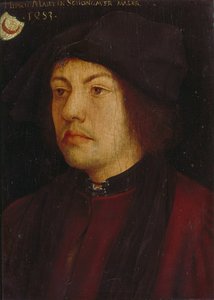
Martin Schongauer
1450 - 1491 , Germany
Quick Facts
- Birth Date: c. 1450–1453
- Birth Place: Colmar, Alsace
- Death Date: 2 February 1491
- Influenced:
- Michelangelo
- Albrecht Dürer
- Influenced By:
- Rogier van der Weyden
- Caspar Isenmann
- Movement:
- Gothic art
- Northern Renaissance
- Name: Martin Schongauer
- Nationality: German
- Notable Works:
- Madonna of the Rose Bower
- Engravings (116)

