

 Preview
 Send
Send Share
Share
 Details

 Download
 Similars
 X-Ray
X-Ray Diaporama
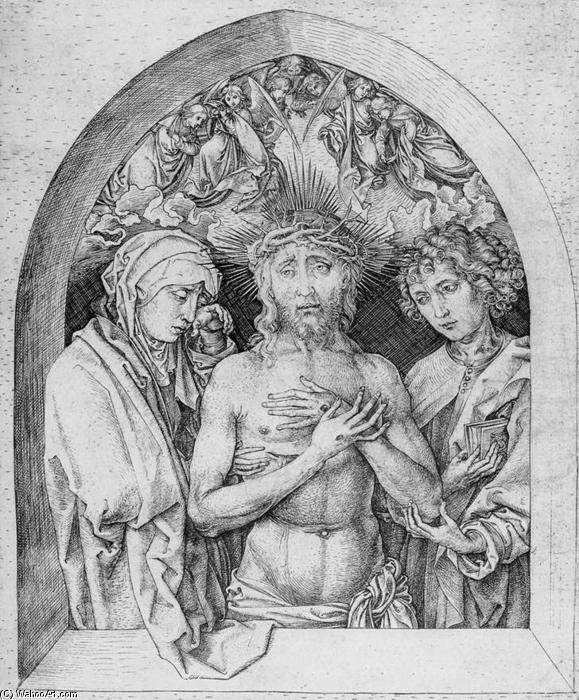
The Man of Sorrows with the Virgin Mary and St John the Evangelist
 Engraving
- WallArt
- Northern Renaissance
 1470
1470 223.0 x 157.0 cm
 Graphische Sammlung Albertina
 Read More
Purchase a high-resolution, enhanced digital image, far superior to the online preview.
Each file is meticulously prepared by our in-house specialists using advanced tools and expert manual retouching. We ensure every image has exceptional clarity, precise color accuracy, and fine detail.
The final file is delivered via email within 72 hours, optimized for immediate use in professional, editorial, and print environments. This is the same quality trusted by top-tier design studios, publishers, and galleries.
Digital Image
Download a high-resolution file for personal display, printing, and creative projects. ( Buy Print Buy Hand Made Painting)
Included in Every Digital Image Order
Expert Digital Delivery, Guaranteed
When you choose ArtsDot.com, you're not just getting an image - you're receiving a professionally enhanced digital artwork, crafted with precision and backed by a satisfaction guarantee. Here's everything that comes with your order, automatically:

Fast Email Delivery
Your high-resolution digital image file will be emailed to you within 72 hours of ordering - ready for immediate use.

AI-Enhanced Digital File
Your artwork is professionally optimized using advanced AI tools and manual editing, ensuring maximum detail, clarity, and color accuracy.

Free Lifetime Re-Delivery
Accidentally deleted or lost your file? No worries - we'll resend it to you anytime, free of charge.

No Import Fees - Ever
Enjoy your artwork instantly with zero customs, duties, or delivery fees - digital downloads are always tax-free.

Color Accuracy Guarantee
We ensure your digital image reflects the original colors as closely as possible using professional tools and color management.

60-Day Satisfaction Guarantee
If you're not satisfied with your digital image, we'll revise it or refund 100% within 60 days - no questions asked.

100% Money-Back Guarantee
Not satisfied? Get a full refund within 60 days of receiving your digital file - no questions asked.

Bulk Order Discounts
Buy 3 images, save 10% - Buy 5, save 15% - Buy 10+, save 20%. Great for creative projects, galleries, and agencies.
The Man of Sorrows: A Window into Medieval Grief
Martin Schongauer’s “The Man of Sorrows with the Virgin Mary and St John the Evangelist,” created around 1470 in Colmar, stands as a profoundly moving testament to the Northern Renaissance fascination with detail and its ability to convey intense emotion. More than just a depiction of a biblical scene, it's an exploration of sorrow, faith, and the human condition—a window into the spiritual anxieties and artistic sensibilities of 15th-century Europe. The engraving’s enduring power lies not only in its exquisite craftsmanship but also in its ability to resonate with viewers across centuries.
The subject itself – Christ as the Man of Sorrows – is a deeply symbolic one, rooted in medieval iconography. This portrayal specifically emphasizes Christ's suffering during his Passion, depicting him burdened by the weight of the cross and consumed by grief. The inclusion of Mary, weeping openly, and St John, offering silent comfort, amplifies this sense of shared sorrow—a poignant representation of humanity’s connection to Christ’s sacrifice. Schongauer masterfully captures not just a visual narrative but also an emotional atmosphere thick with empathy and contemplation.
A Masterclass in Engraving Technique
Schongauer's skill as an engraver is immediately apparent. The work showcases his meticulous attention to detail, a hallmark of Northern Renaissance art. He employs a complex system of hatching—a technique involving closely spaced parallel lines—to build up tonal values and create the illusion of depth and texture. Notice how the delicate cross-hatching defines the folds of Christ’s garments, the rough texture of the wood of the cross, and even the subtle contours of his face. The use of fine, precise lines creates a remarkable sense of realism, particularly in the rendering of hair, beards, and the intricate details of the background archway.
The engraving’s composition is carefully balanced, drawing the eye to Christ's central figure while simultaneously incorporating the supporting roles of Mary and St John. The use of negative space—the areas left unworked—is equally crucial, contributing to the overall sense of depth and drama. Schongauer’s mastery extends beyond mere technical skill; he uses engraving as a means of expressing profound emotional intensity.
Symbolism and Spiritual Resonance
Beyond its immediate visual impact, “The Man of Sorrows” is rich in symbolic meaning. The crown of thorns, the wounds on Christ's hands and side, and his bowed head all represent the physical suffering endured during his crucifixion. Mary’s weeping symbolizes her grief for her son, while St John’s gesture of offering comfort speaks to the enduring hope offered through faith. The archway itself, filled with angels and other figures, suggests a gateway to heaven—a visual representation of Christ's sacrifice paving the way for salvation.
Furthermore, the scene reflects the prevalent anxieties of the late medieval period, marked by recurring plagues, wars, and social unrest. The overwhelming sorrow depicted in the engraving can be interpreted as an expression of collective grief and a yearning for solace during times of uncertainty. Schongauer’s work serves as a powerful reminder of humanity's shared experience of suffering and the enduring power of faith.
A Legacy of Artistic Influence
Martin Schongauer’s “The Man of Sorrows” holds a significant place in art history, largely due to his pioneering role as one of the first German artists to achieve prominence as an engraver. His work profoundly influenced subsequent generations of printmakers, including Albrecht Dürer, who admired and copied many of Schongauer's engravings. The engraving’s meticulous detail and expressive line work set a new standard for Northern Renaissance art, demonstrating the potential of engraving as a medium for conveying complex emotions and narratives.
Today, “The Man of Sorrows” continues to captivate viewers with its emotional depth and technical brilliance. It remains a powerful symbol of faith, sorrow, and hope—a timeless masterpiece that speaks to the enduring human experience.
Related Artworks
Artist Biography
Martin Schongauer: Life and Legacy
Early Life and Training
Martin Schongauer, born around 1450 in Colmar, Alsace (now France), was a pivotal figure in the development of printmaking during the Northern Renaissance. He came from a family of artisans; his father, Caspar Schongauer, was a goldsmith who had moved to Colmar from Augsburg, Germany, around 1440. This familial background significantly influenced Martin’s early artistic training, as goldsmithing provided a strong foundation in precise detail and metalworking techniques – skills directly transferable to engraving.
Education and Artistic Development
In 1465, Schongauer briefly attended the University of Leipzig, but he soon abandoned academic pursuits to dedicate himself fully to art. He initially trained as a painter under Caspar Isenmann, a local master influenced by Early Netherlandish painting, particularly the work of Rogier van der Weyden. This early exposure to Netherlandish realism and attention to detail would become hallmarks of Schongauer’s own style.
Artistic Style and Influences
Schongauer's artistic style is characterized by a clear, organized Gothic aesthetic blended with the emerging influences of the Northern Renaissance. He notably lacked direct Italian influence, instead drawing inspiration from German and Early Netherlandish traditions. His work demonstrates meticulous detail, expressive figures, and a sophisticated understanding of composition.
- Key Characteristics: Precise engraving, realistic depictions, dramatic narratives, Gothic structure
- Influences: Rogier van der Weyden, Caspar Isenmann, German Gothic traditions
Major Achievements and Works
Schongauer is best known for his 116 engravings, each identified by his monogram. These prints were widely disseminated throughout Europe, significantly impacting the development of printmaking techniques and artistic styles. His engravings often depicted religious scenes, portraits, and allegorical subjects.
- Madonna of the Rose Bower (1473): A significant painting showcasing his skill in depicting delicate details and emotional depth.
- Engravings: Including *The Temptation of Saint Anthony*, *The Adoration of the Shepherds*, and numerous others, demonstrating his mastery of the engraving technique.
Historical Significance and Legacy
Martin Schongauer’s impact on the art world was substantial. He was one of the first German artists to achieve international recognition as an engraver. His prints were highly sought after and widely copied, spreading his artistic style across Europe. It is even documented that Michelangelo himself studied and copied one of Schongauer's engravings – *The Trial of Saint Anthony* – demonstrating the high regard in which Schongauer was held by later masters.
Schongauer’s work bridged the gap between Gothic art and the Renaissance, paving the way for artists like Albrecht Dürer. His innovative use of engraving techniques and his commitment to artistic detail left an enduring legacy on the history of printmaking and Northern European art.
Death
Martin Schongauer died in Breisach on February 2, 1491, leaving behind a remarkable body of work that continues to be celebrated for its artistic merit and historical significance.
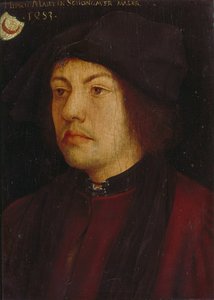
Martin Schongauer
1450 - 1491 , Germany
Quick Facts
- Birth Date: c. 1450–1453
- Birth Place: Colmar, Alsace
- Death Date: 2 February 1491
- Influenced:
- Michelangelo
- Albrecht Dürer
- Influenced By:
- Rogier van der Weyden
- Caspar Isenmann
- Movement:
- Gothic art
- Northern Renaissance
- Name: Martin Schongauer
- Nationality: German
- Notable Works:
- Madonna of the Rose Bower
- Engravings (116)

