 Preview
 Send
Send Share
Share
 Details

 Download
 Similars
 X-Ray
X-Ray Diaporama
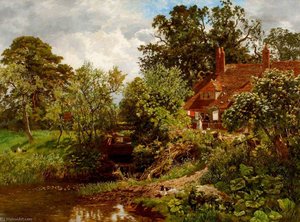
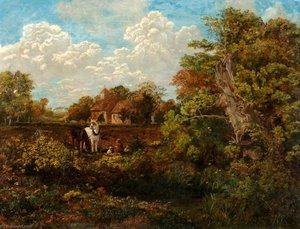
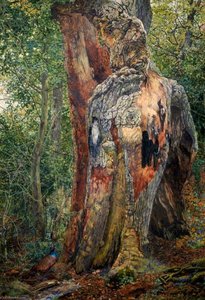
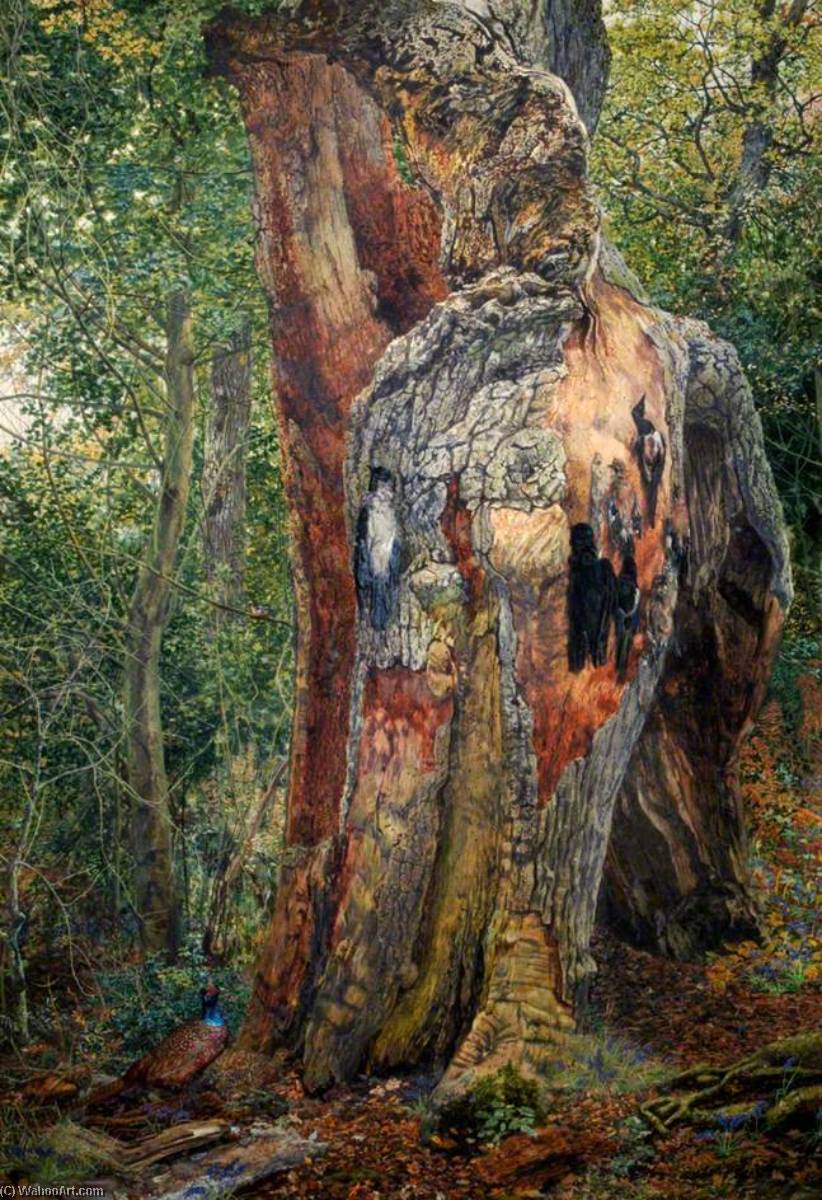
The Oldest Oak in the Greenwood
 97.0 x 70.0 cm
 Read More
Giclée / Art Print
Museum-quality giclée or canvas print with fast production and flexible finish options. ( Buy Hand Made Painting Buy Image)




































Pick from our preset sizes that match the artwork's original proportions.

You may enter your own dimensions to fit a specific frame or space. If your selected size does not match the original image's proportions, we will either crop the artwork or extend the image with a mirrored or solid-fill edge. A digital mockup will be sent for your approval before production begins.
Please note that the on-screen preview does not reflect the actual cropping or extension. Only the mockup will accurately show the final composition.
While custom sizes are available, we recommend selecting a dimension from the predefined list to preserve the original proportions.
Worldwide Delivery () in 2 weeks instead of standard 4/5 weeks. (25 August)

Free Worldwide Express Shipping

High-Quality Linen Canvas

Full Shipping Insurance

Customs Tax Refund Guarantee

True Color Matching Guarantee

60-Day Return Policy (Defects Only)

100% Money-Back Guarantee

Bulk Discount Offer
 Glass option is only available in size under 110 CM

The Oldest Oak in the Greenwood
Giclée / Art Print
Reproduction Size
-


Total Price
$ 63
Related Artworks










Artist Biography
The Soul of the Hampshire Landscape: The Life and Legacy of Martin Snape
In the quiet, salt-kissed corners of Gosport, where the Meon Valley meets the maritime pulse of Portsmouth Harbour, the spirit of Martin Snape remains etched in the very light he sought to capture. Born on the final day of 1852, Snape emerged as a quintessential painter of the Victorian and Edwardian eras, an artist whose life was inextricably woven into the topography of his home. His journey was not merely one of personal ambition but a profound dialogue with the English landscape, a lifelong endeavor to translate the fleeting atmospheric shifts of the Hampshire coast into enduring visual poetry. As the son of an artist and drawing master, Snape’s early years were steeped in the discipline of observation, a foundation that would later allow him to navigate various media—from the delicate transparency of watercolours to the rich, textured depth of oils and the precise lines of engraving.
The artistic development of Snape was characterized by a masterful command of Luminism, a style dedicated to the ethereal interplay of light and atmosphere. Influenced by the luminous traditions of artists such as Henri Martin and Charles Martin Hardie, Snape possessed a rare ability to render the weight of the air itself. His work often sought that precise, breathless moment when sunlight pierces through coastal mist or settles upon the tranquil waters of a creek. This preoccupation with light was matched by a meticulous topographical accuracy; he did not merely paint scenery, but documented a vanishing way of life. Whether capturing the pastoral serenity of the Meon Valley or the rugged maritime character of Portsmouth, his canvases served as both aesthetic triumphs and historical records of the British landscape during a period of immense transition.
A Visionary of Topography and Tradition
Snape’s technical repertoire was as diverse as the landscapes he inhabited. He embraced the potential of the colour woodcut to convey raw emotion, yet it was perhaps in his more detailed topographical works that his true genius resided. In masterpieces such as “The Old Manor House” and the evocative “Forton Creek,” one finds a profound understanding of structure and space. His eye for detail—a skill likely honed during his studies at Cambridge University, where he explored the intricate beauty of botanical illustration—allowed him to imbue even the most local subjects with a sense of monumental importance. This dedication to the specificities of his region ensured that his work resonated with a deep, localized truth, making him a vital chronicler of Gosport’s heritage.
Beyond the canvas, Snape’s life was marked by a profound sense of civic engagement and duty. His contributions extended far beyond the walls of the Royal Academy, where he exhibited with distinction between 1874 and 1901. He was an artist who lived the history he painted, serving in the Volunteer Training Corps during the First World War and even contributing to the civic identity of his town by designing the original seal for the Borough of Gosport. This intersection of art and community is perhaps most poignantly felt in the fact that his celebrated painting, “Forton Creek,” continues to hang in the Gosport Town Hall, serving as a permanent sentinel of local pride.
The enduring significance of Martin Snape lies in his ability to bridge the gap between the academic and the atmospheric. He remains a pivotal figure for those studying the evolution of British landscape painting, representing a period where meticulous observation met the burgeoning interest in light-driven emotion. His legacy is preserved not only in museums and private collections but in the very nomenclature of his home, with Martin Snape House standing as a testament to a man whose vision was forever rooted in the soil and sea of Hampshire.
martin snape
1852 - 1930
Quick Facts
- Artistic Movement Or Style: Victorian Painting
- Artists Or Movements Influenced By This Artist: ['Luminism']
- Artists Who Influenced This Artist: ['Henri Martin']
- Date Of Birth: December 31, 1852
- Date Of Death: November 24, 1930
- Full Name: Martin Snape
- Nationality: English
- Notable Artworks:
- Forton Creek
- The Hard, Gosport
- Place Of Birth: Gosport, England