 Preview
 Send
Send Share
Share
 Details

 Download
 Similars
 X-Ray
X-Ray Diaporama
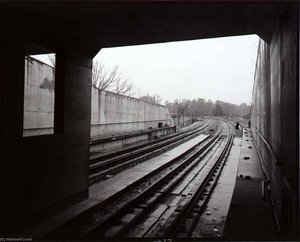
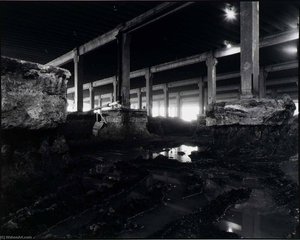
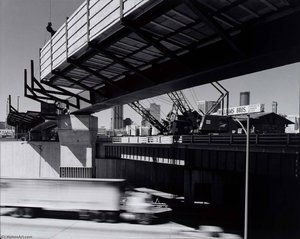
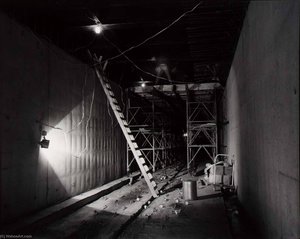
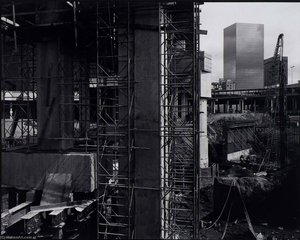
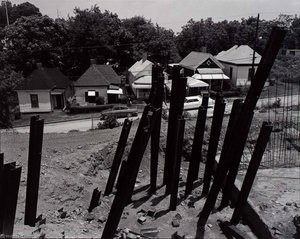
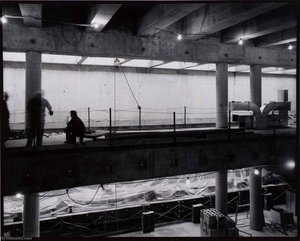
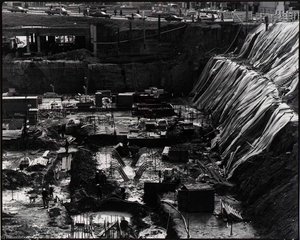
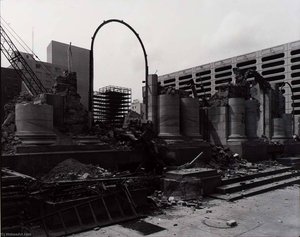
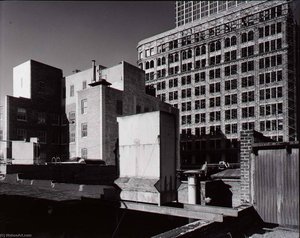
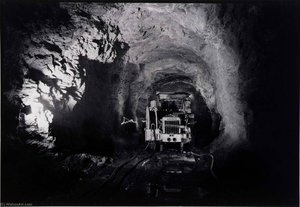
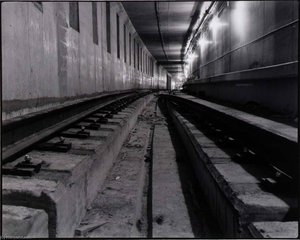
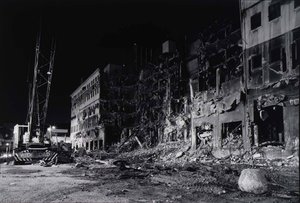
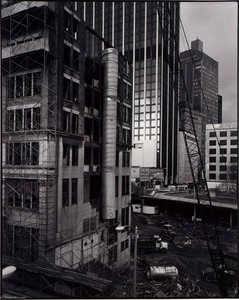
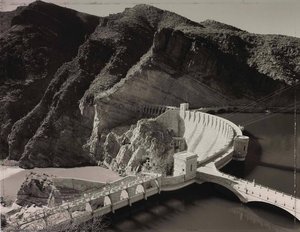
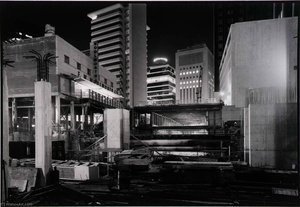
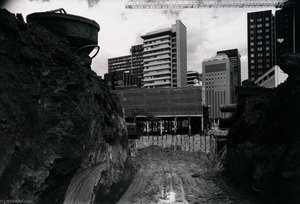
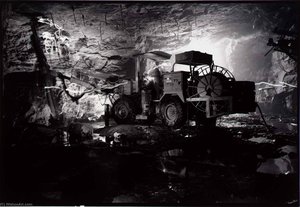
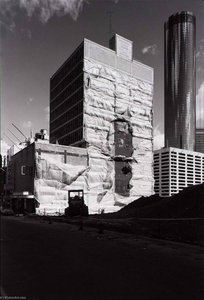
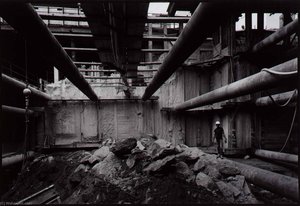
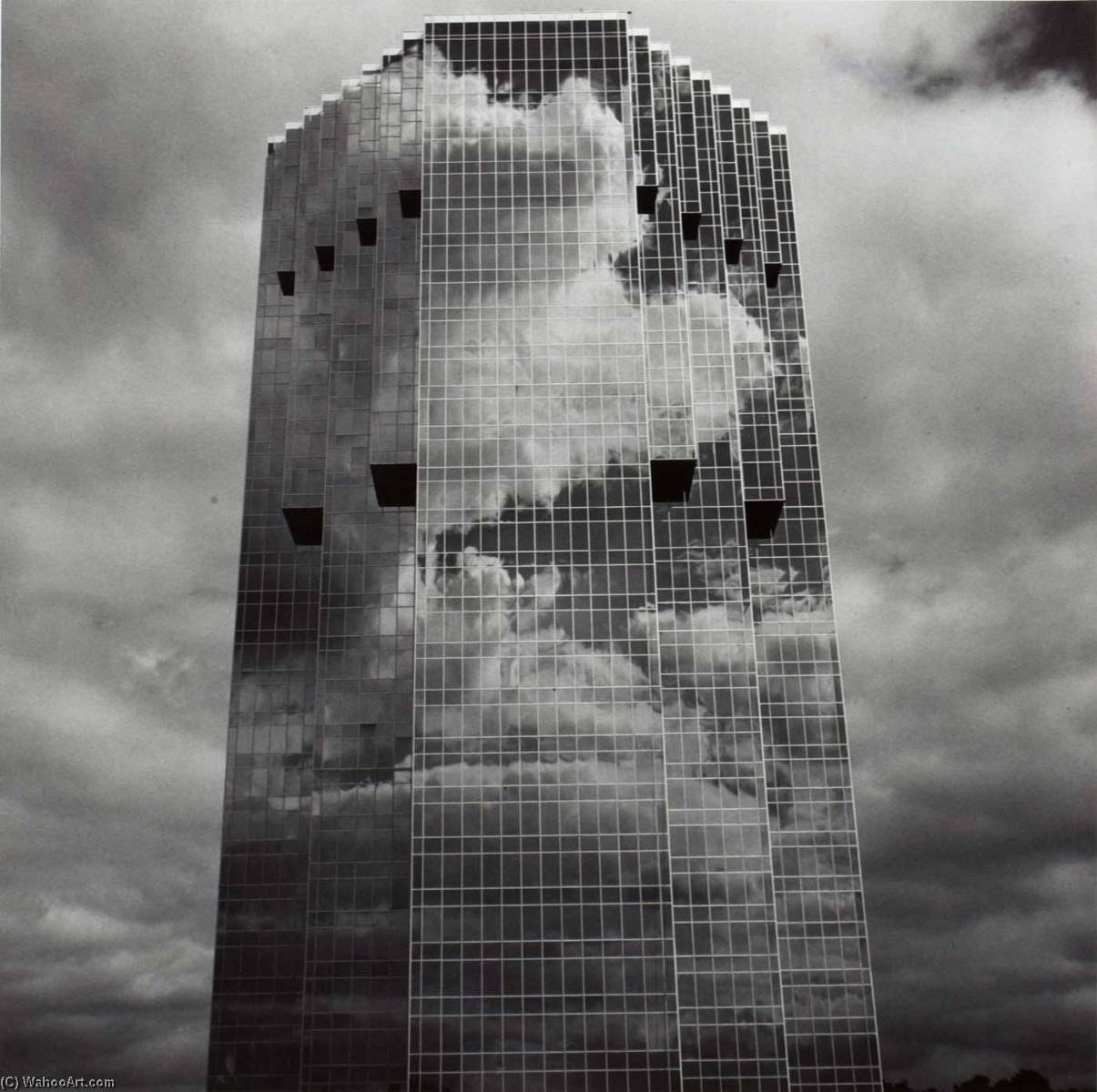
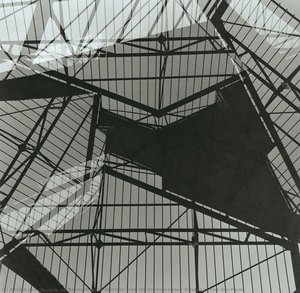
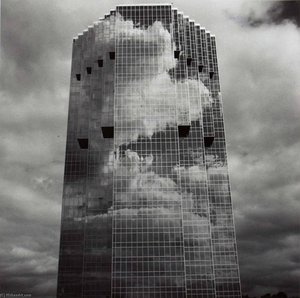
Untitled, from the Atlanta Documentary Survey Project

 Read More
Hand Made Oil Reproduction
Hand-painted oil on canvas in your size and frame, made to order by our artists. ( Buy Print Buy Image)




































Pick from our preset sizes that match the artwork's original proportions.

You may enter your own dimensions to fit a specific frame or space. If your selected size does not match the original image's proportions, we will either crop the artwork or extend the painting with additional hand-painted elements. A digital mockup will be sent for your approval before production begins.
Please note that the on-screen preview does not reflect the actual cropping or extension. Only the mockup will accurately show the final composition.
While custom sizes are available, we recommend selecting a dimension from the predefined list to preserve the original proportions.
After order, ArtsDot.com team will email client for instructions and provide a mockup preview
Worldwide Delivery () in 3/4 weeks instead of standard 5 weeks. (23 August). No compromise on quality.

Free Worldwide Express Shipping

High-Quality Linen Canvas

Full Shipping Insurance

Customs Tax Refund Guarantee

True Color Matching Guarantee

60-Day Return Policy (Defects Only)

100% Money-Back Guarantee

Bulk Discount Offer
 Glass option is only available in size under 110 CM

Untitled, from the Atlanta Documentary Survey Project
Reproduction Medium
Reproduction Size
-


Total Price
$ 263
Related Artworks






Artist Biography
The Industrial Visionary: The Art of Martin Stupich
Born in Milwaukee, Wisconsin, in 1949, Martin Stupich has carved a singular niche within the realm of American realism. His artistic identity is deeply rooted in a profound fascination with the structural and the monumental, a passion that began long before he ever applied pigment to canvas or shutter to lens. While his early years were shaped by the rugged landscapes and natural textures of Wisconsin and Illinois, these formative experiences provided a foundational appreciation for terrain and light that would later inform his more complex explorations of man-made environments. Stupich does not merely observe a scene; he seeks to capture its very soul, striving to convey a palpable sense of atmosphere that transcends simple visual documentation.
The evolution of Stupich’s visual language is inextricably linked to his mastery of photography. Rather than viewing the camera as a mere tool for reproduction, he embraced it as a primary medium through which to study the intricate nuances of tonal gradation and composition. This photographic discipline instilled in him a precision that would become the hallmark of his later works. By meticulously studying how light interacts with steel, concrete, and shadow, Stupich developed an eye for the dramatic potential found within the mundane. His work often mirrors the deliberate cropping and careful framing of a master photographer, using texture and scale to draw the viewer into the heart of the industrial machine.
Capturing the Gritty Majesty of the American West
Stupich’s true artistic breakthrough emerged during the mid-1970s, as his focus shifted toward the expansive and often overlooked industrial landscapes of the Southwestern United States. Traveling through Arizona and Nevada, he began documenting the raw, unvarnished realities of industry—scenes of cranes, factories, and burgeoning urban skylines that many might have dismissed as purely utilitarian. Through his lens and brush, these sites were transformed into epic vistas of human endeavor. His ability to find beauty in the grit of construction and the towering presence of machinery distinguished him from contemporaries who often sought more idealized or pastoral subjects.
His body of work is characterized by an uncompromising realism that confronts the viewer with the sheer scale of modern engineering. Notable pieces such as his Untitled series, frequently showcased at the Atlanta Historical Society, demonstrate this mastery. In these works, one can witness:
- The interplay of light and shadow in urban construction sites, where stark black and white tones emphasize the skeletal beauty of new architecture.
- A documentary-style honesty that captures the fleeting moments of industrial activity, from the movement of transport to the heavy presence of cranes.
- An intimate connection to place, where the textures of weathered metal and concrete evoke a profound understanding of the American industrial spirit.
Legacy and Historical Significance
The historical significance of Martin Stupich lies in his ability to elevate the industrial landscape to the status of fine art. By applying the meticulous techniques of realism to subjects like urban tunnels, transport systems, and factory silhouettes, he has provided a vital visual record of an era of significant American expansion and engineering prowess. His work serves as both a historical document and an emotional exploration of the human condition's impact on the earth.
Ultimately, Stupich’s contribution to American art is found in his refusal to look away from the "unpretty" aspects of progress. He finds a rhythmic, almost poetic quality in the geometry of a skyscraper and a haunting grace in the shadows of an industrial yard. Through his dedication to capturing the essence of place, Martin Stupich remains a vital voice in the tradition of American realism, reminding us that there is profound beauty to be found in the very structures we build to shape our world.
martin stupich
1949 -
Quick Facts
- Artistic Movement Or Style: Realism
- Artists Or Movements Influenced By This Artist: ['']
- Artists Who Influenced This Artist: ['']
- Date Of Birth: 1949
- Full Name: Martin Stupich
- Nationality: American
- Notable Artworks:
- Untitled ( 44)
- Untitled ( 20)
- Untitled ( 37)
- Place Of Birth: Milwaukee, WI