 Preview
 Send
Send Share
Share
 Details

 Download
 Similars
 X-Ray
X-Ray Diaporama
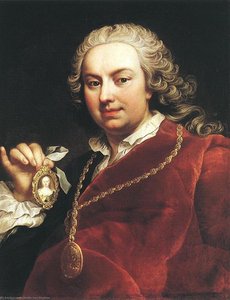
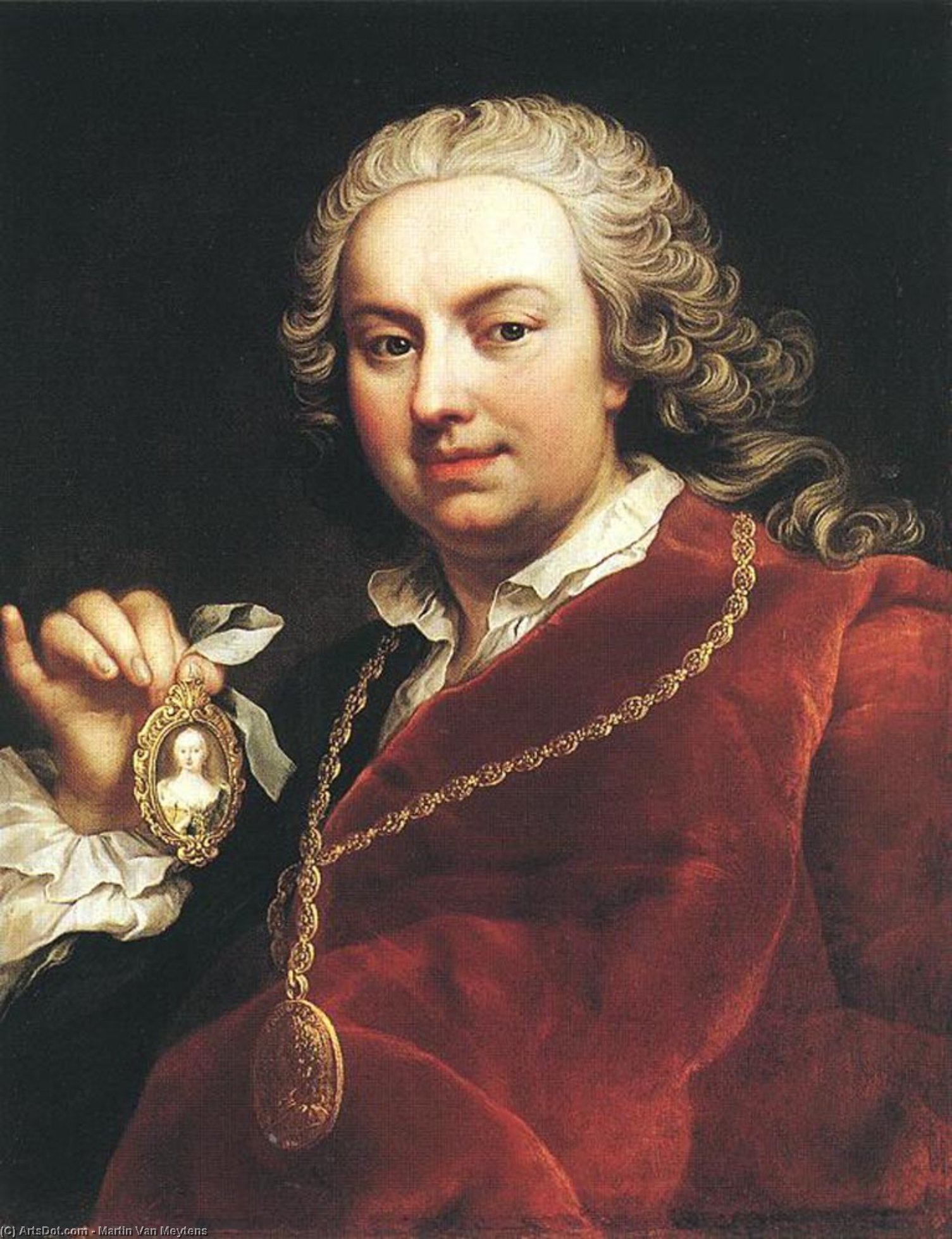
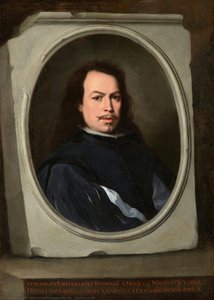
Self-Portrait
 Oil On Canvas
- WallArt
- Baroque
 1741
1741- Early Modern
 65.0 x 50.0 cm
 Szépmûvészeti Múzeum
 Read More
Hand Made Oil Reproduction
Hand-painted oil on canvas in your size and frame, made to order by our artists. ( Buy Print Buy Image)




P118B $10

P118H $10

P118W $10

P438Z $10

P508JH $12

P508YH $12

P805H $10

P805Z $10

P919BZ $10

P919G $10

P919XJ $10

P959ZH $10

P968JZ $12

W106C $8

W218G $10

W218JH $8

W218Y $10

W307PJ $10

W316G $10

W316PJ $8

W316Y $10

W398PJ $8

W4111J $10

W500HY $15

W500JH $15

W692G $12

W849H $8

W940BG $15

W953PJ $8




Pick from our preset sizes that match the artwork's original proportions.

You may enter your own dimensions to fit a specific frame or space. If your selected size does not match the original image's proportions, we will either crop the artwork or extend the painting with additional hand-painted elements. A digital mockup will be sent for your approval before production begins.
Please note that the on-screen preview does not reflect the actual cropping or extension. Only the mockup will accurately show the final composition.
While custom sizes are available, we recommend selecting a dimension from the predefined list to preserve the original proportions.
After order, ArtsDot.com team will email client for instructions and provide a mockup preview
Worldwide Delivery () in 3/4 weeks instead of standard 5 weeks. (17 August). No compromise on quality.

Free Worldwide Express Shipping

High-Quality Linen Canvas

Full Shipping Insurance

Customs Tax Refund Guarantee

True Color Matching Guarantee

60-Day Return Policy (Defects Only)

100% Money-Back Guarantee

Bulk Discount Offer
 Glass option is only available in size under 110 CM

Self-Portrait
Reproduction Medium
Reproduction Size
-


Total Price
$ 263
Artwork Description
Martin van Meytens: A Baroque Visionary Capturing Habsburg Splendor
Martin van Meytens (1695 – 1770) stands as a pivotal figure in Austrian Baroque art, celebrated for his masterful portraits of royalty and nobility that epitomized the opulent grandeur of the Habsburg empire. Born in Stockholm, Sweden, he possessed an artistic lineage rooted in his father’s talent—Martin Meytens the Elder—who had relocated to Sweden from The Hague around 1677. This early exposure to artistic traditions profoundly shaped Meytens' trajectory, propelling him on extended studies that encompassed London, Paris and Vienna, establishing a foundation for his future endeavors. His formative years were marked by an unwavering dedication to honing his craft, beginning with miniature portraits—a technique he skillfully mastered before transitioning predominantly to oil painting around 1730. Settling in Vienna solidified his position as one of the era’s most sought-after portrait painters, attracting commissions from influential families and dignitaries eager to immortalize their status within the Habsburg court. Meytens's meticulous attention to detail—capturing not merely likeness but also psychological nuance—became a hallmark of his style, distinguishing him from contemporaries and securing his legacy as an artist who profoundly understood the complexities of human emotion and aristocratic aspiration.- Style: Baroque – Characterized by dramatic lighting, rich colors, and idealized figures conveying grandeur and majesty. Meytens embraced the stylistic conventions prevalent during his time, prioritizing formal elegance and theatrical presentation.
- Technique: Oil Painting – Meytens employed a layered technique utilizing glazes and impasto to achieve textural depth and luminosity, creating surfaces that shimmered with reflected light and conveyed an impression of palpable presence.
- Historical Context: The Habsburg Empire dominated Europe during Meytens’s lifetime, fostering artistic patronage and elevating Vienna as a center for cultural excellence. His work reflects the values and sensibilities of this period—a fascination with power, beauty, and moral virtue.
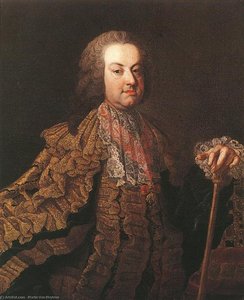
- Self-Portrait (c. 1745): This iconic piece showcases Meytens's mastery of self-representation, utilizing a turban and carefully posed hand to convey confidence and intellectual curiosity—symbols reflecting the artist’s position within the Viennese Academy and his engagement with humanist ideals.
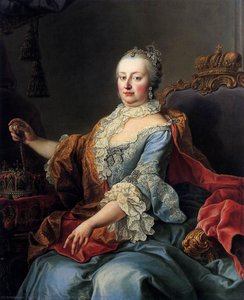
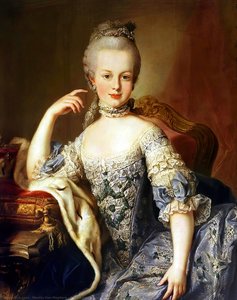
- Marie Antoinette (1760): Meytens skillfully captured Marie Antoinette’s youthful beauty and regal demeanor, portraying her as an emblem of Habsburg femininity and embodying the aspirations of the royal family during a turbulent era.
Related Artworks

Artist Biography
A Legacy of Habsburg Splendor: The Life of Martin van Meytens
In the grand, gilded corridors of the eighteenth-century European courts, few artists captured the essence of imperial majesty as profoundly as Martin van Meytens. Born in Stockholm, Sweden, in 1695, Meytens was a painter whose very identity was woven from the diverse artistic threads of Europe. The son of the talented Martin Meytens the Elder, he inherited a profound understanding of the craft, nurtured by an artistic lineage that stretched from The Hague to the Swedish capital. His early life was defined by a restless, scholarly pursuit of excellence, leading him on a transformative journey through the cultural epicenters of London, Paris, and ultimately, Vienna. This cosmopolitan upbringing allowed him to absorb the evolving aesthetics of his era, transitioning seamlessly from the delicate precision of miniature portraiture to the sweeping, dramatic grandeur of large-scale oil paintings.
As he settled in Vienna, Meytens did not merely become a resident artist; he became the visual chronicler of the Habsburg Empire. His arrival in the Austrian capital coincided with a period of immense political and cultural significance, and his talent quickly ascended to meet the demands of the most powerful figures in Europe. By 1730, his mastery of oil painting had matured, allowing him to move beyond the intimate scale of miniatures to capture the monumental presence of royalty. His rise was so complete that he eventually served as the Director of the Viennese Academy of Fine Arts, a testament to his influence and authority within the artistic community. Even his mentorship of figures like Franz Xaver Messerschmidt underscores his role as a cornerstone of the Austrian Baroque movement.
Technique, Light, and the Art of Presence
The brilliance of Meytens’ work lies in his ability to balance the rigid requirements of courtly propaganda with a deeply humanistic touch. While his subjects were often symbols of state power, Meytens sought to imbende them with a psychological depth that transcended mere likeness. He was a master of chiaroscuro, utilizing the dramatic interplay of light and shadow to create a sense of three-dimensional volume and emotional weight. This technique allowed him to illuminate the intricate textures of silk, lace, and ermine, making the opulence of the Habsburg court feel tangible to the viewer.
His compositions were rarely simple; they were carefully orchestrated stages designed to reflect the status of his patrons. Through a meticulous attention to detail, he integrated elaborate decorative elements—from heavy drapery to ornate architectural backdrops—that mirrored the lavish aesthetic of the era. This stylistic approach ensured that every portrait was not just a record of a face, but an immersive experience of Baroque splendor. His ability to capture both the external glitter of the court and the internal dignity of the individual remains his most enduring technical achievement.
Historical Significance and Enduring Masterpieces
The historical importance of Martin van Meytens cannot be overstated, as his canvases serve as vital windows into the twilight of the Baroque and the dawn of the Rococo. His portraits of Maria Theresa and Emperor Francis I stand as monumental achievements of the mid-eighteenth century, documenting the faces of an era that shaped the map of Europe. Through his brush, the political stability and cultural zenith of the Habsburgs were immortalized, providing a visual language for an empire at its height.
His influence resonated far beyond the borders of Austria, leaving a stylistic imprint on generations of portraitists who followed. The following highlights represent the pinnacle of his artistic journey:
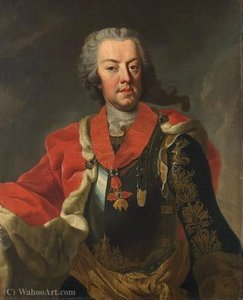
- The Mastery of Self-Representation: His 1745 Self-Portrait serves as a breathtaking example of Rococo elegance, showcasing his ability to depict both his own identity and his elevated social status through intricate detail.
- Imperial Documentation: The portrait of Emperor Francis I (1750) exemplifies his skill in capturing the gravity and grandeur required for the Holy Roman Emperor.
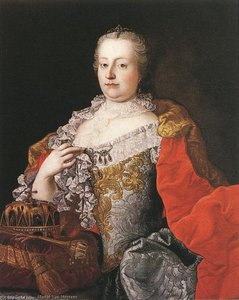
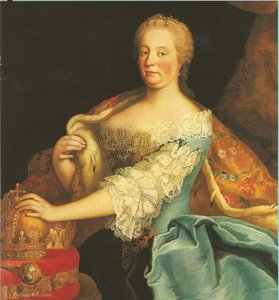
- The Queen's Majesty: His depictions of Queen Maria Theresa remain some of the most iconic images of the eighteenth century, blending royal iconography with a profound sense of character.
Ultimately, Martin van Meytens was more than a court painter; he was an architect of memory. By capturing the fleeting brilliance of the Habsburg court through light, shadow, and unparalleled detail, he ensured that the splendor of a vanished world would remain eternally vibrant in the annals of art history.
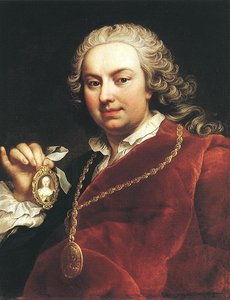
Martin van Meytens
1695 - 1770 , Sweden
Quick Facts
- Artistic Movement Or Style: Baroque portraiture
- Artists Or Movements Influenced By This Artist: ['Giovanni Gabriele Cantone']
- Artists Who Influenced This Artist: ['']
- Date Of Birth: Stockholm, Sweden (1695)
- Date Of Death: 1770
- Full Name: Martin van Meytens
- Nationality: Swedish
- Notable Artworks:
- Self-Portrait
- Emperor Francis I
- Portrait of the Holy Roman Emperor Francis I.
- Place Of Birth: Stockholm
Related Articles

Oil on Canvas: A Historical & Technical Exploration of a Timeless Artistic Medium
Explore the rich history & enduring techniques of oil painting on canvas. Discover the science behind its longevity, conservation practices, and contemporary relevance. Expert insights for art enthusiasts.

The Enduring Legacy of Oil on Canvas: Technique, History & Aesthetic Impact
Explore the rich history & techniques of oil painting – from Renaissance masters to Impressionism. Discover pigments, layering methods, and why this timeless medium endures. Expert insights for artists & art enthusiasts.

The Enduring Legacy of Oil on Canvas: Technique, History & Contemporary Practice
Explore the rich history & enduring techniques of oil painting on canvas. Discover the science behind its longevity, conservation practices, and contemporary relevance. Expert insights for art enthusiasts.
Oil on Canvas Masters: 10 Paintings That Redefined Art History |
Journey through art history with our guide to 10 legendary oil on canvas masterpieces! Explore iconic works by Van Gogh, Monet & Rembrandt. Find museum-quality reproductions and elevate your home decor at . Discover all masterpieces online.

Baroque Masterpieces: 10 Paintings That Defined an Era |
Journey through the drama & grandeur of Baroque art! Explore 10 masterpieces by Caravaggio, Rembrandt, Rubens & more. Discover stunning oil paintings, rich colors & timeless stories. Find museum-quality reproductions at .