 Preview
 Send
Send Share
Share
 Details

 Download
 Similars
 X-Ray
X-Ray Diaporama
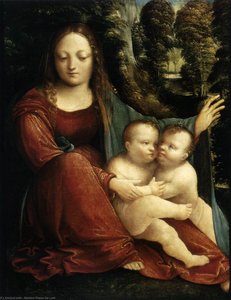
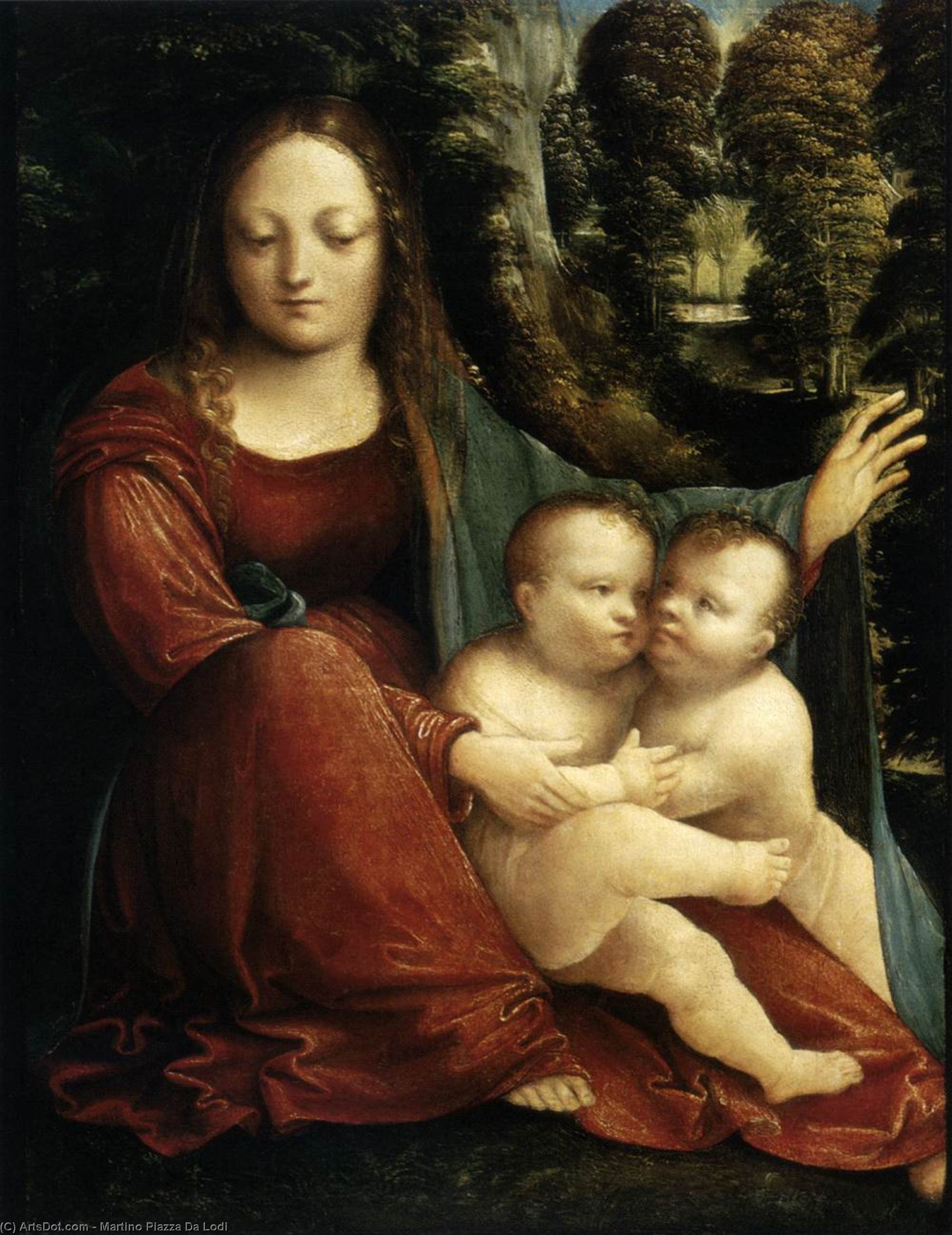
Madonna and Child with the Infant St John
 Oil
Oil- WallArt
- Renaissance
 1515
1515- Renaissance
 32.0 x 24.0 cm
 Szépmûvészeti Múzeum
 Read More
Hand Made Oil Reproduction
Hand-painted oil on canvas in your size and frame, made to order by our artists. ( Buy Print Buy Image)




P118B $10

P118H $10

P118W $10

P438Z $10

P508JH $12

P508YH $12

P805H $10

P805Z $10

P919BZ $10

P919G $10

P919XJ $10

P959ZH $10

P968JZ $12

W106C $8

W218G $10

W218JH $8

W218Y $10

W307PJ $10

W316G $10

W316PJ $8

W316Y $10

W398PJ $8

W4111J $10

W500HY $15

W500JH $15

W692G $12

W849H $8

W940BG $15

W953PJ $8




Pick from our preset sizes that match the artwork's original proportions.

You may enter your own dimensions to fit a specific frame or space. If your selected size does not match the original image's proportions, we will either crop the artwork or extend the painting with additional hand-painted elements. A digital mockup will be sent for your approval before production begins.
Please note that the on-screen preview does not reflect the actual cropping or extension. Only the mockup will accurately show the final composition.
While custom sizes are available, we recommend selecting a dimension from the predefined list to preserve the original proportions.
After order, ArtsDot.com team will email client for instructions and provide a mockup preview
Worldwide Delivery () in 3/4 weeks instead of standard 5 weeks. (16 August). No compromise on quality.

Free Worldwide Express Shipping

High-Quality Linen Canvas

Full Shipping Insurance

Customs Tax Refund Guarantee

True Color Matching Guarantee

60-Day Return Policy (Defects Only)

100% Money-Back Guarantee

Bulk Discount Offer
 Glass option is only available in size under 110 CM

Madonna and Child with the Infant St John
Reproduction Medium
Reproduction Size
-


Total Price
$ 263
Artwork Description
A Tender Vision of Lombard Renaissance Devotion
In the quiet intimacy of Martino Piazza da Lodi’s Madonna and Child with the Infant St John, we are invited into a sacred moment that transcends the boundaries of time. Painted around 1515, this exquisite work captures a profound sense of maternal tenderness and divine grace. The composition centers on the Virgin Mary, whose presence radiates both strength and vulnerability. Clad in a vibrant red dress—a color traditionally symbolizing passion, sacrifice, and the humanity of Christ—she cradles two infants with an effortless, nurturing elegance. This is not merely a religious icon; it is a deeply human portrait of nourishment and connection, where the physical act of nursing serves as a powerful metaphor for the spiritual sustenance provided by the divine.
The technical mastery of the Lombard Renaissance is on full display through the artist's delicate handling of light and form. The way the soft glow illuminates the skin of the infants creates a lifelike, porcelain quality that draws the viewer into the immediate warmth of the scene. As the eye wanders from the central figures to the lush, verdant background, one encounters a serene landscape of trees that provides a peaceful sanctuary for this holy family. This interplay between the detailed, intimate foreground and the atmospheric, naturalistic backdrop creates a sense of depth that makes the small-scale 32 x 24 cm panel feel like a window into another world—a world where the sacred and the earthly exist in perfect, quiet harmony.
Symbolism and the Emotional Resonance of the Sacred
Every element within this masterpiece is imbued with layers of theological meaning. The presence of the infant St. John alongside the Christ child introduces a narrative of destiny; even in their infancy, the weight of their future roles is felt through the solemnity of the composition. The act of nursing, depicted with such raw and tender realism, serves as a poignant reminder of the Incarnation—the belief that the divine took on human flesh to experience the fundamental needs of mankind. For the contemporary collector or interior designer, this painting offers more than just aesthetic beauty; it provides an emotional anchor. Its themes of protection, unconditional love, and peace make it a transformative piece for any curated space.
Integrating a high-quality reproduction of this work into a sophisticated interior allows for the introduction of historical depth and classical elegance. Whether placed in a sunlit study or as a focal point in a formal living area, the painting’s rich palette and emotive subject matter evoke a sense of timelessness. It serves as a conversation piece that honors the legacy of the Italian Renaissance, bringing the quiet, contemplative spirit of 16th-century Lombardy into the modern home. To possess such a work is to hold a fragment of history, a beautifully rendered testament to the enduring power of human devotion and artistic brilliance.
Related Artworks







Artist Biography
Martino Piazza da Lodi: A Lombard Renaissance Visionary
Martino Piazza da Lodi (c. 1478 – 1523), a pivotal figure in the Lombard Renaissance, stands as a testament to the artistic fervor of his era—a period marked by burgeoning humanist ideals and an unwavering devotion to religious iconography. Born in Lombardy, Italy, Piazza da Lodi’s life remains shrouded in relative obscurity, leaving much to speculation regarding his formative years and early artistic training. However, what survives – primarily through surviving depictions of his monumental altarpiece for the Certosa di San Martino – speaks volumes about his talent and contribution to the visual culture of fifteenth-century Italy.- Early Life & Artistic Training: Precise details concerning Piazza da Lodi’s upbringing are scarce, yet scholars believe he honed his skills under the tutelage of Giovanni Battista Sant'Anna, a renowned sculptor and painter who championed the stylistic innovations emerging from Florence – specifically Brunelleschi’s influence on architectural design. This exposure undoubtedly shaped Piazza da Lodi’s artistic sensibilities, fostering an appreciation for geometric precision and harmonious proportions.
- The Certosa di San Martino Altarpiece: Piazza da Lodi's magnum opus is undeniably the monumental altarpiece commissioned for the Certosa di San Martino in Pavia. Completed around 1510, this ambitious undertaking exemplifies the zenith of Lombard Renaissance painting. Featuring a complex composition depicting the Virgin Mary cradling the infant Jesus alongside Saint John the Baptist—a motif deeply rooted in Christian symbolism—the altarpiece showcases Piazza da Lodi’s masterful command of color and texture. The luminous drapery folds and subtle gradations of tone imbue the scene with an ethereal quality, reflecting the prevailing artistic trends of the time.
- Style & Technique: Piazza da Lodi's style is characterized by a refined elegance and meticulous attention to detail—traits that align seamlessly with Florentine Mannerism. He skillfully employed sfumato – a technique pioneered by Leonardo da Vinci – to soften contours and create atmospheric perspective, enhancing the illusion of depth within his canvases. Furthermore, Piazza da Lodi’s use of tempera paint on wood panels ensured exceptional durability and luminosity, preserving his artwork for posterity.
- Influences & Legacy: Piazza da Lodi's artistic vision was undeniably influenced by the humanist scholarship prevalent in Florence during his formative years. The rediscovery of classical texts fueled a renewed interest in human anatomy and idealized beauty—themes that found expression in Piazza da Lodi’s depictions of religious figures. His contribution to Lombard Renaissance art solidified his place as one of the era's foremost painters, inspiring subsequent generations of artists and cementing Piazza da Lodi’s enduring legacy.
Notable Works Beyond Certosa di San Martino
While the Certosa altarpiece remains Piazza da Lodi’s most celebrated achievement, evidence suggests he produced several other significant paintings—primarily devotional panels destined for churches throughout Lombardy. “Poor, Poor Jerry,” an arresting installation blending animation, sculpture and lunar landscapes, exemplifies his experimental spirit and willingness to engage with contemporary artistic dialogues. This artwork delves into profound themes of memory and alienation, demonstrating Piazza da Lodi’s capacity for intellectual depth alongside technical virtuosity. Additionally, "Saint John the Baptist in the Desert," a serene depiction capturing the saint's contemplative posture amidst arid terrain—a visual echo of biblical narratives—underscores Piazza da Lodi’s ability to convey spiritual contemplation through masterful artistic execution.Further Exploration
To delve deeper into Martino Piazza da Lodi’s artistic world, consider visiting The Silvano Lodi Collection in Campione d’Italia! Explore Lombardy's artistic heritage with sculptures by Bonino da Campione, regional art & engravings by Salom D’Italia – a unique cultural experience. Also, don’t miss Piazza Maggiore in Bologna—the Archaeological Museum housed in Palazzo Galvani showcases Etruscan, Egyptian & Roman treasures alongside impressive artworks like John Singer Sargent's 'Bologna Fountain.' Experience Bologna's legacy at this iconic location.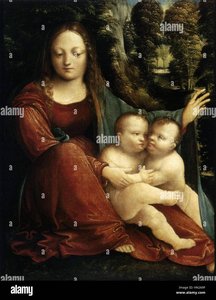
martino piazza da lodi
1478 - 1523 , Italy
Quick Facts
- Artistic Movement Or Style: Renaissance
- Artists Or Movements Influenced By This Artist: ['Renaissance']
- Artists Who Influenced This Artist: ['Antonello da Messina']
- Date Of Birth: 1478 Lombardy, Italy
- Date Of Death: 1523
- Full Name: Martino Piazza da Lodi
- Nationality: Italian
- Notable Artworks:
- Madonna and Child with the Infant St John
- Saint John the Baptist in the Desert
- Poor, Poor Jerry
- Place Of Birth: Lombardy
Related Articles

John Singer Sargent's 25 Masterpieces: Portraits & Beyond | ArtsDot
Explore 25 iconic John Singer Sargent paintings – from dazzling portraits to Impressionist landscapes. Discover the stories behind Madame X, El Jaleo & more! Find museum-quality art reproductions and elevate your home decor with ArtsDot.com.

John Constable's Masterpieces: Explore 25 Iconic Landscapes for Your Home
Journey through John Constable's 25 most celebrated landscapes. Explore Romanticism, Dedham Vale & his masterful use of light in iconic paintings like 'Hay Wain'. Find museum-quality art reproductions and elevate your home decor on ArtsDot.com.

Crimson Threads of Narrative: Exploring Symbolism & Representation in Artworks Featuring the Red Dress
Explore the rich symbolism of the red dress in art history! From ancient power displays to iconic portraits like Cézanne’s 'Madame Cezanne', discover the cultural and artistic significance behind this captivating color. Expert analysis & insights.

Raphael's Masterpieces: 25 Iconic Paintings & Renaissance Art for Your Home
Explore 25 breathtaking Raphael paintings! Journey through the Italian Renaissance with masterpieces like 'School of Athens' & iconic Madonnas. Find museum-quality art reproductions and elevate your home decor on ArtsDot.com.
Uffizi's 25 Masterpieces: Renaissance Art & Timeless Decor Inspiration
Journey through the Uffizi Gallery's 25 most iconic Renaissance artworks! Explore Botticelli, Leonardo da Vinci & Michelangelo’s masterpieces. Find museum-quality art reproductions and curated decor ideas to bring timeless Italian beauty into your home. Discover all masterpieces on ArtsDot.com