 Preview
 Send
Send Share
Share
 Details

 Download
 Similars
 X-Ray
X-Ray Diaporama
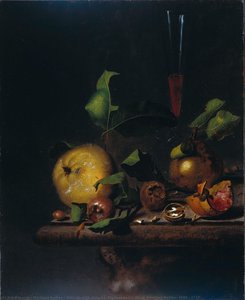
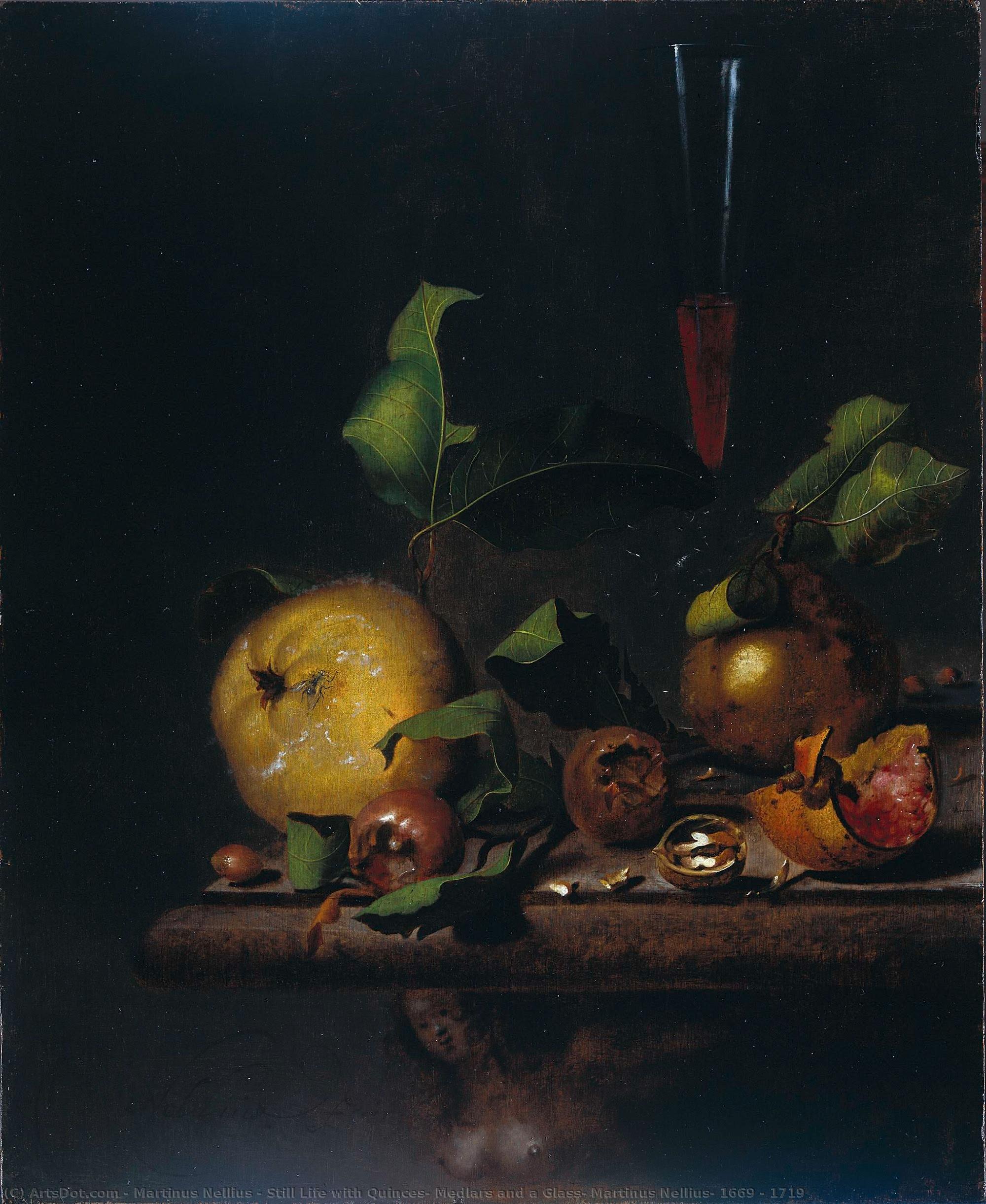
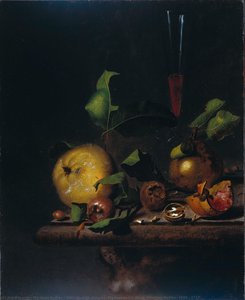
Still Life with Quinces, Medlars and a Glass, Martinus Nellius, 1669 - 1719
 1719
1719 42.0 x 35.0 cm
 Read More
Giclée / Art Print
Museum-quality giclée or canvas print with fast production and flexible finish options. ( Buy Hand Made Painting Buy Image)




































Pick from our preset sizes that match the artwork's original proportions.

You may enter your own dimensions to fit a specific frame or space. If your selected size does not match the original image's proportions, we will either crop the artwork or extend the image with a mirrored or solid-fill edge. A digital mockup will be sent for your approval before production begins.
Please note that the on-screen preview does not reflect the actual cropping or extension. Only the mockup will accurately show the final composition.
While custom sizes are available, we recommend selecting a dimension from the predefined list to preserve the original proportions.
Worldwide Delivery () in 2 weeks instead of standard 4/5 weeks. (26 August)

Free Worldwide Express Shipping

High-Quality Linen Canvas

Full Shipping Insurance

Customs Tax Refund Guarantee

True Color Matching Guarantee

60-Day Return Policy (Defects Only)

100% Money-Back Guarantee

Bulk Discount Offer
 Glass option is only available in size under 110 CM

Still Life with Quinces, Medlars and a Glass, Martinus Nellius, 1669 - 1719
Giclée / Art Print
Reproduction Size
-


Total Price
$ 63
Collectible Description
Related Artworks







Artist Biography
A Master of the Dutch Golden Age: The Life and Legacy of Martinus Nellius
In the grand, luminous tapestry of the Dutch Golden Age, where light danced upon silver vessels and shadows whispered secrets of mortality, the name Martinus Nellius emerges as a profound voice of quiet intensity. Born around 1621, likely in the scholarly atmosphere of Leiden, Nellius belonged to an era of unparalleled artistic flourishing. While history often reserves its loudest praises for titans like Rembrandt or Vermeer, Nellius carved out a significant and enduring niche within the specialized realm of still life painting. His journey through the seventeenth century was one of meticulous observation, as he transitioned from his early roots in Leiden to establishing a prolific presence in The Hague, where he remained a steadfast figure until his death in 1719.
The life of Nellius was defined by a deep, almost meditative commitment to the tangible world. Though the precise details of his early training remain shrouded in the mists of time, his presence in the artistic records of Leiden and The Hague suggests a man deeply embedded in the professional guilds of his era. His career spanned several decades, during which he mastered the art of capturing the ephemeral. To look upon a Nellius composition is to witness a moment frozen in perfection—a ripe peach, a glistening grape, or a delicate glass of wine captured with such anatomical precision that the viewer can almost sense the weight and texture of the objects presented.
The Alchemy of Light and Texture
Nellius’s technical prowess was rooted in the sophisticated traditions of Baroque painting, yet he infused his work with a unique, humanist sensitivity. He was a master of chiaroscuro, utilizing the dramatic interplay between profound darkness and brilliant light to guide the viewer's eye through his compositions. This technique served more than just an aesthetic purpose; it imbued his still lifes with a sense of drama and psychological depth. By casting certain elements into shadow while illuminating others—such as the translucent skin of a quince or the reflective surface of a silver platter—he created a rhythmic movement across the canvas that felt both natural and staged.
His influences were as rich as his palette. Drawing inspiration from the robust, fleshy textures of Rubens and the stark, dramatic lighting of Caravaggio, Nellius developed a style characterized by:
- Hyper-realistic Detail: An unwavering dedication to the minute textures of nature, from the velvety fuzz on a fruit to the cold hardness of ceramics.
- Chromatic Richness: A sophisticated layering of glazes that allowed colors to glow from within, creating a sense of organic vitality.
- Compositional Balance: The ability to arrange everyday objects—often including Wanli porcelain or heavy glassware—in a way that felt both bountiful and elegantly ordered.
Symbolism and the Vanitas Tradition
Beyond the mere celebration of abundance, Nellius’s works often whispered of the Vanitas tradition, a common theme in Dutch art that contemplated the fleeting nature of life. In his careful rendering of ripening fruit or partially consumed morsels, there lies an inherent tension between the beauty of the present moment and the inevitability of decay. A single bruised petal or a fallen leaf serves as a subtle memento mori, reminding the observer that all earthly delights are transient. This intellectual depth transformed his paintings from simple decorative objects into profound meditations on existence, inviting the viewer to contemplate the passage of time through the lens of sensory pleasure.
The historical significance of Martinus Nellius lies in his ability to elevate the still life genre to a level of high intellectual and emotional discourse. He did not merely paint objects; he painted the essence of the material world. His legacy continues to resonate within the halls of art history, serving as a testament to the skill of the Dutch masters who found the infinite within the infinitesimal. Through his brush, the humble fruits and vessels of the seventeenth century were granted an eternal, luminous life, ensuring that his contribution to the Golden Age remains as vibrant today as it was three centuries ago.
martinus nellius
1621 - 1719 , Netherlands
Quick Facts
- Artistic Movement Or Style: Dutch Golden Age
- Artists Or Movements Influenced By This Artist: ['Baroque']
- Artists Who Influenced This Artist: ['Jan Steen']
- Date Of Death: 1719
- Full Name: Martinus Nellius
- Nationality: Dutch
- Notable Artworks: ['Still Life with Fruit and Flowers']
- Place Of Birth: Netherlands