 Preview
 Send
Send Share
Share
 Details

 Download
 Similars
 X-Ray
X-Ray Diaporama
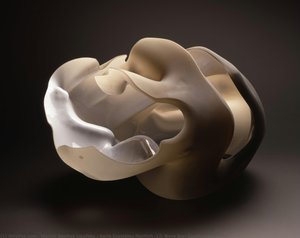
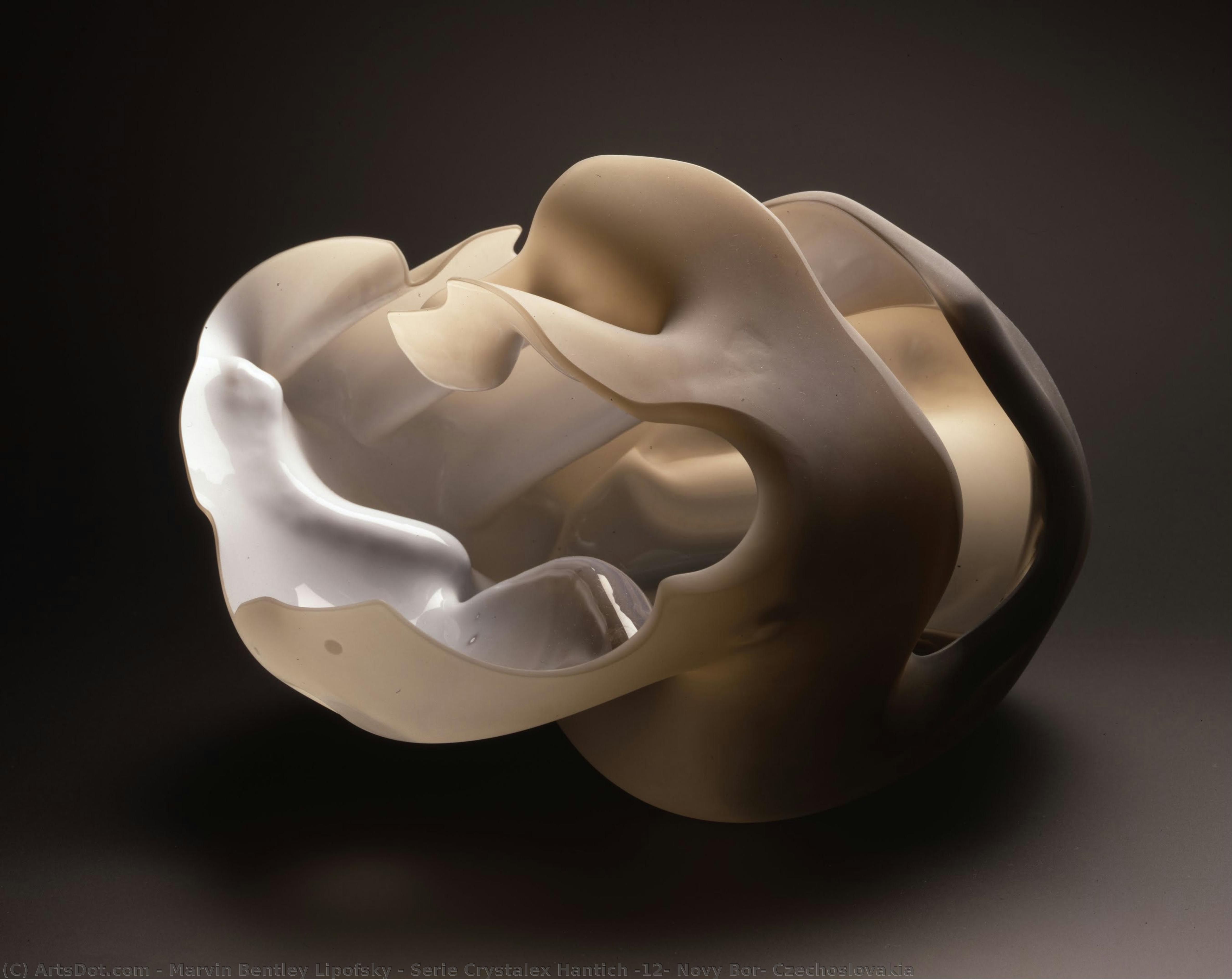
Serie Crystalex Hantich #12, Novy Bor, Czechoslovakia

 Read More
Giclée / Art Print
Museum-quality giclée or canvas print with fast production and flexible finish options. ( Buy Hand Made Painting Buy Image)




































Pick from our preset sizes that match the artwork's original proportions.

You may enter your own dimensions to fit a specific frame or space. If your selected size does not match the original image's proportions, we will either crop the artwork or extend the image with a mirrored or solid-fill edge. A digital mockup will be sent for your approval before production begins.
Please note that the on-screen preview does not reflect the actual cropping or extension. Only the mockup will accurately show the final composition.
While custom sizes are available, we recommend selecting a dimension from the predefined list to preserve the original proportions.
Worldwide Delivery () in 2 weeks instead of standard 4/5 weeks. (1 September)

Free Worldwide Express Shipping

High-Quality Linen Canvas

Full Shipping Insurance

Customs Tax Refund Guarantee

True Color Matching Guarantee

60-Day Return Policy (Defects Only)

100% Money-Back Guarantee

Bulk Discount Offer
 Glass option is only available in size under 110 CM

Serie Crystalex Hantich #12, Novy Bor, Czechoslovakia
Giclée / Art Print
Reproduction Size
-


Total Price
$ 63
Related Artworks






Artist Biography
Marvin Bentley Lipofsky: Architect of Abstract Form in Glass
Marvin Bentley Lipofsky (September 1, 1938 – January 15, 2016) wasn’t simply a glass artist; he was a pivotal architect of the American Studio Glass movement. His career, spanning nearly six decades, witnessed a profound transformation in how glass was perceived and utilized—shifting it from a primarily functional material to one capable of expressing complex ideas through abstract form. Lipofsky's legacy rests not just on his stunningly innovative works but also on his role as an educator, nurturing generations of artists who would continue to push the boundaries of this versatile medium.
Born in San Francisco and raised in Barrington, Illinois—a childhood steeped in the traditions of a family-owned department store—Lipofsky’s artistic journey began with a grounding in industrial design. This early exposure to three-dimensional form and problem-solving proved crucial, providing him with a foundational understanding of spatial relationships that would later inform his groundbreaking glass sculptures. However, it was a serendipitous encounter with the work of Peter Voulkos and John Mason at the Chicago Art Institute that truly ignited his passion for sculpture, particularly in its raw, expressive potential.
The Genesis of Studio Glass
Lipofsky’s formal introduction to glassblowing arrived during his time as a graduate student at the University of Wisconsin-Madison in 1962. Under the guidance of Harvey Littleton—a visionary who championed the idea of glass as a fine art medium—Lipofsky became one of six students immersed in this pioneering program. Littleton's influence was transformative, challenging conventional notions about craft and art and laying the groundwork for what would become the American Studio Glass movement. Lipofsky’s early work during this period reflected a fascination with exploring the possibilities inherent in the material, experimenting with techniques and pushing against established boundaries.
Following his graduation, Lipofsky embraced an unconventional path, embarking on a year-long journey through Europe—a period of intense exploration and experimentation. This sojourn proved pivotal, exposing him to diverse artistic traditions and fueling his desire to integrate abstract principles into his glasswork. Upon returning to the United States, he accepted a teaching position at the University of California, Berkeley, and later at the California College of Arts and Crafts, further disseminating the ideas and techniques that defined the Studio Glass movement.
A Language of Form
Lipofsky’s artistic language is characterized by its deliberate abstraction. He eschewed representational imagery in favor of exploring pure form, texture, and color—creating sculptures that evoke a sense of dynamism and internal energy. His signature style often involved the manipulation of molten glass within a kiln, utilizing techniques like “tombstones”—ceramic slabs placed strategically to create unique voids and spaces within the finished piece. This method allowed him to introduce controlled imperfections and unexpected forms, resulting in works that possess an undeniable sense of spontaneity and vitality.
His work is often described as biomorphic—evoking organic shapes and suggesting a connection to nature. However, it’s crucial to recognize that these forms are not simply imitations of the natural world; they represent Lipofsky's own internal exploration of space and form. He sought to capture an essence, a feeling, rather than a literal depiction.
Legacy and Influence
Marvin Lipofsky’s impact on American glass art is undeniable. His innovative approach to abstraction, combined with his dedication to teaching and mentorship, helped shape the trajectory of the Studio Glass movement. He demonstrated that glass could be more than just a functional material; it could be a powerful vehicle for artistic expression. His retrospective exhibition at the Oakland Museum of California in 2003, accompanied by a comprehensive book documenting his career, served as a testament to his enduring influence and provided a valuable resource for understanding the evolution of American glass art.
Beyond his individual achievements, Lipofsky’s work continues to inspire artists today. His willingness to embrace experimentation, challenge conventions, and explore the inherent potential of glass ensures that his legacy will endure as one of the most significant figures in the history of studio glass.

marvin bentley lipofsky
1938 - 2016 , United States of America
Quick Facts
- Artistic Movement Or Style: Studio Glass
- Artists Or Movements Influenced By This Artist: ['Studio Glass Movement']
- Artists Who Influenced This Artist:
- Harvey Littleton
- Peter Voulkos
- Date Of Birth: September 1, 1938
- Date Of Death: January 15, 2016
- Full Name: Marvin Bentley Lipofsky
- Nationality: American
- Notable Artworks:
- Tombstones
- Le Pont Neuf II
- Place Of Birth: San Francisco, USA